Cameras and Community: Photographing UAE's Creatives by Myriam Louise Taleb
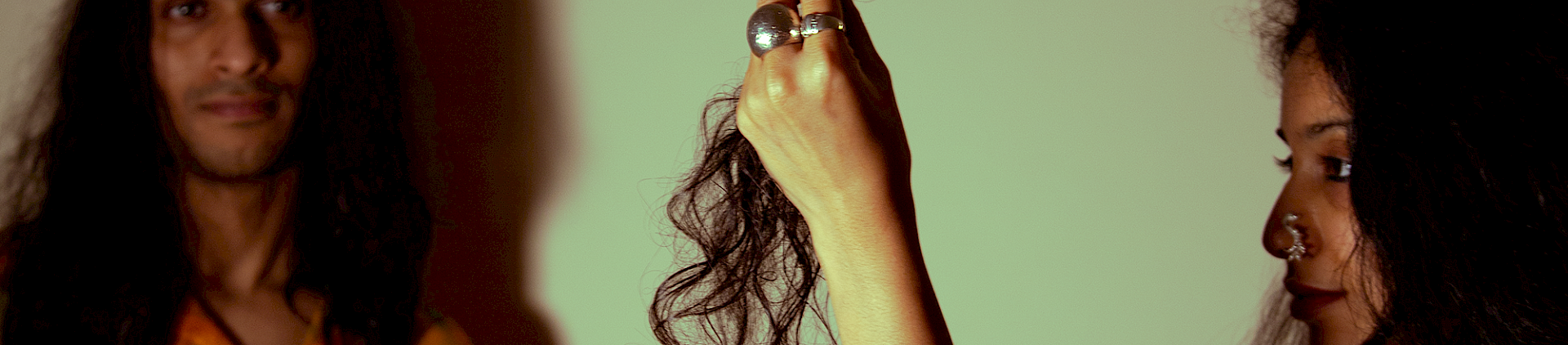
Myriam Louise Taleb is a multimedia artist based in Dubai. Her photography revolves around portraiture; she has shot creatives of all kinds in the UAE, largely from her studio apartment. In this online photo essay, she elaborates on her evolving relationship to photography through memories of family photo albums, shooting in the UAE's private vs public spaces, and trying to find a sense of belonging in the country's creative scene, where 'the national relationship to photography [comes] with a different set of instructions'. Through shooting a range of the UAE's artists, writers, researchers, filmmakers, cultural producers, and more, Myriam redefines her notions of community.
This piece is commissioned in tandem with Wasafiri 122: The UAE Issue.
I feel a tension between my shoulders when thinking of writing about my experiences photographing in the United Arab Emirates. There used to be a sentence or two that would be uttered first – catchphrases spilling out of my mouth, like a cross between a recruitment agency advertisement and a disastrous YouTube exposé – to describe my experiences. It’s safe to say that I have become quite adept at speaking about it in vague generalities. The ‘it is but it is not’ of it all. Sometimes, being vague about the UAE is the best way for me to accept the starkly different place that it was, and is, now. But that becomes a story for another day — over a coffee, in private.
My interest in photographing people began when my family relocated to Abu Dhabi from France in 2000. Sick of the societal restrictions imposed on Algerians and Muslims in France, my father answered an online job posting that he found one day that year. I was five years old. The turn of the century had made way for the normalisation of ever faster modes of communication; my life is a direct by-product of this, animated by an online job posting offering better living across the world. Remembering that fateful plane ride to the UAE in October – a pistachio-flavoured cake in the air, strangers wishing me a happy birthday – I recall how we were transplanted, humidity clouding my memories of a life I had only begun acclimating to in France.
My mother always took photographs. Her side of the family carried on the tradition of annual photo albums until my grandmother passed away in 2020. But photos were very important for both sides of my family, particularly their physicality. On my father’s side, a long-overdue family trip to France this year reminded me of the role that photographs have always played in their lives. I found images of myself and my sister, at various points of our lives, secured onto the front side of frames which were already packed with aged wedding snapshots and photos of distant relatives. I barely remembered them being taken and wondered which family member had made the copies and distributed them. As a family, we always took photos of each other wherever we went, of the people we cared about and made time to see. Yet, in the UAE, we now inhabited a place where the national relationship to photography came with a different set of instructions. A different code of conduct.
When I first started shooting in the UAE, the act of taking photos provided me with a purpose. It became a way for me to interact with my own vulnerability, while still finding methods to navigate the regulations I kept coming up against. I constantly felt the need to hide my camera, to not make it so obvious that I was looking for something or someone to take a photo of. The rules and regulations that came with photographing in public were made clear to me — either through a less-than-friendly neighbour’s wagging finger and disapproving tone, reminding me of the repercussions if I ‘took a photograph of the wrong thing’, or by security guards, who would grab my camera to look through the images themselves, ensuring I hadn‘t shot anything I wasn’t supposed to.
I quickly became averse to taking photographs of people, leaning towards landmarks instead, or on how colour and pattern indicated the idiosyncrasies of human presence without showing it. There was some humour in feeling like I had to sneak around with a camera in early 2000’s Abu Dhabi. I was still very clearly a child, getting a handle of her surroundings through more alternative means. As I wandered around taking photos of street signs and floor tiles, I would look at people through my lens but feel very wary of who I was locking eyes with behind my camera.
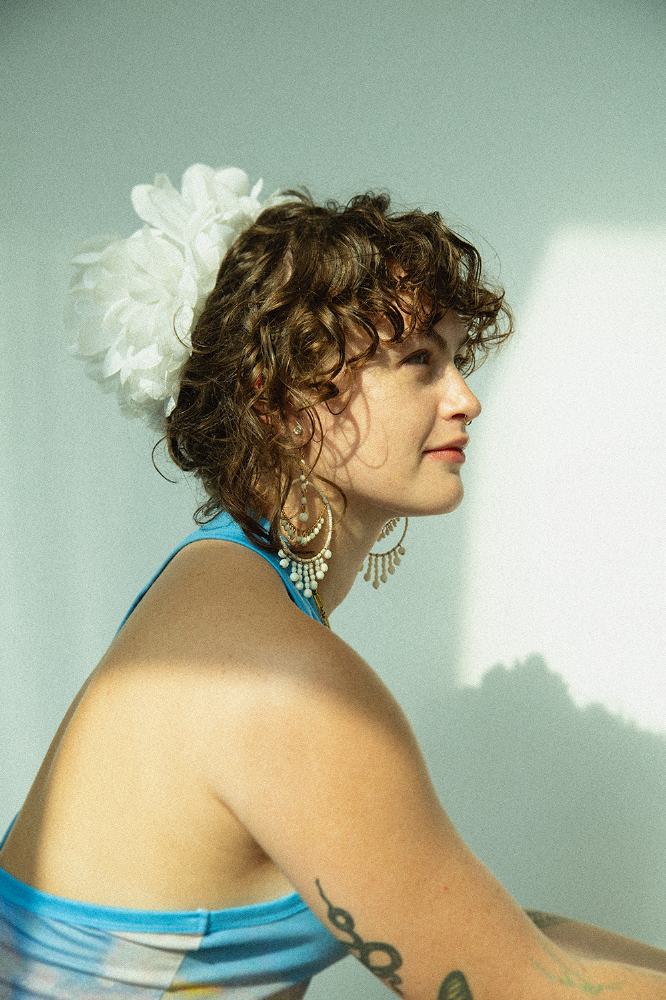
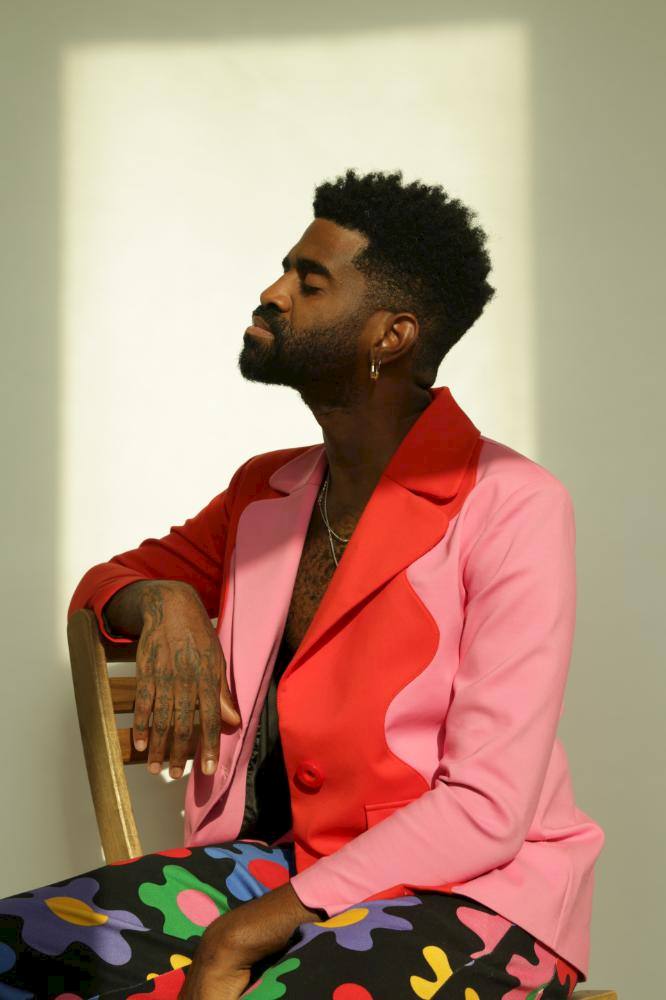
I started photographing people in public when I was around 14 years old, taking candid shots of people passing by, sometimes asking for permission, sometimes not. As I continued to photograph in public spaces, I started to feel a sense of discomfort with my ability to immortalise a stranger's likeness, but only in passing. It felt as if I was capturing them in moments where they hadn't had the time or warning to wear whatever mask they felt necessary to be portrayed in. There are some photographs I look back on where I question young Myriam's position. It took me some time to understand and renegotiate my relationship to the camera. I still often felt like photographing in public spaces meant missed opportunities to witness moments without that block-o-metal in the way.
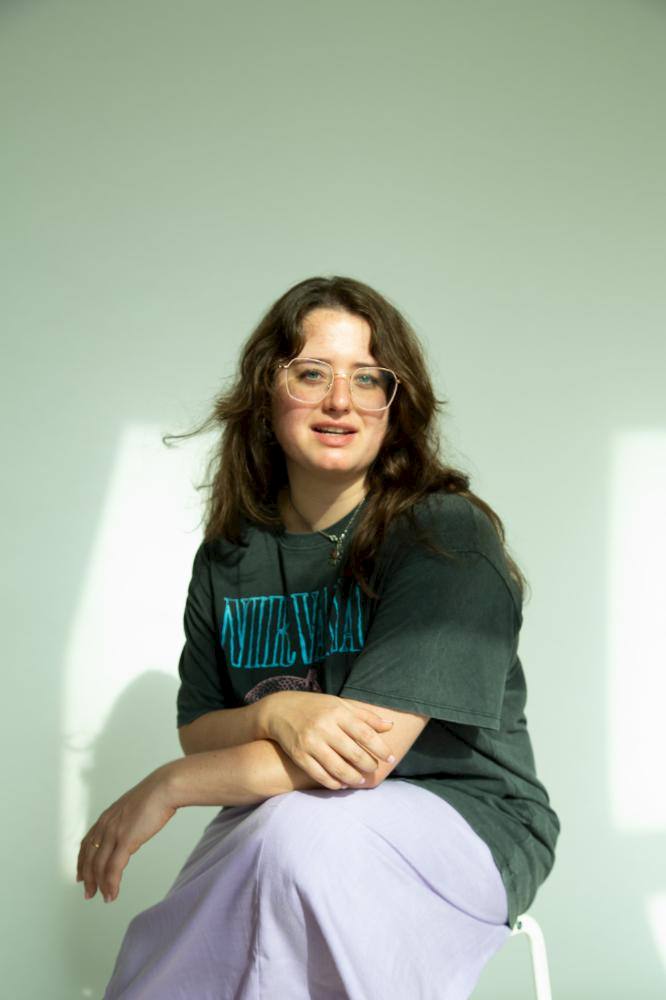
Over the years, I developed confidence to connect with people who I found interesting, and were more creatively inclined. They were often linked together because of their love for music or the arts, those who I may have already spent time observing from afar — at events, on social media, and on the dancefloor. I invited them into my spacious studio apartment, set up a white backdrop, and nurtured conversation until the sun came in through my windows just so. Photographing these people felt like I was creating a little world of my own, one where I was no longer allowed to be detached. It's fair to say that my relationship to using cameras, at the time, coincided with a period where I had become even more aware of how detached my mind could feel from my body. If not due to shared interests, I otherwise generally had trouble connecting with peers.
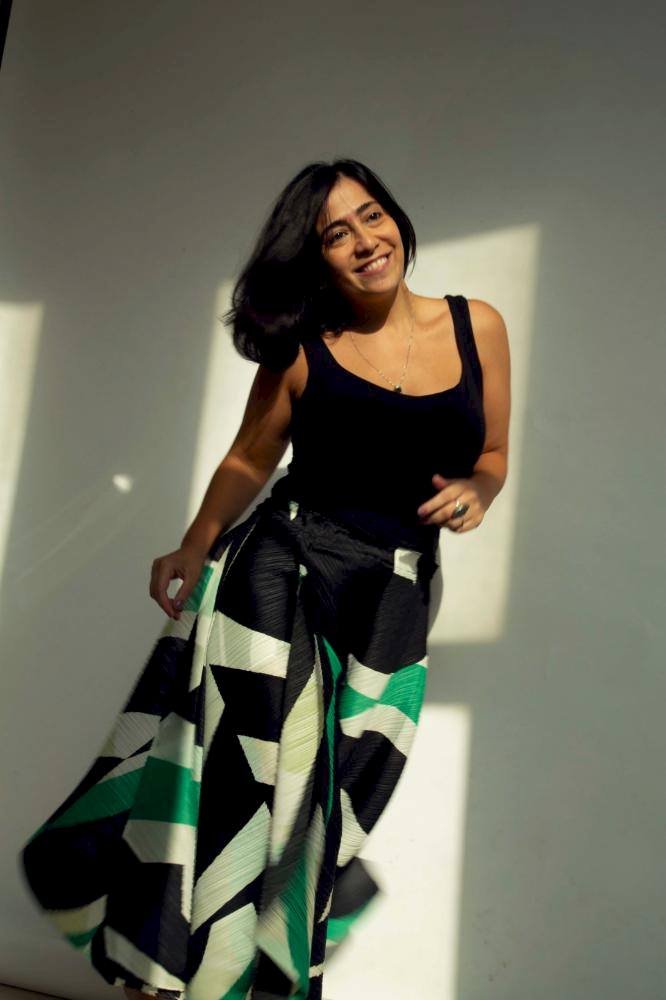
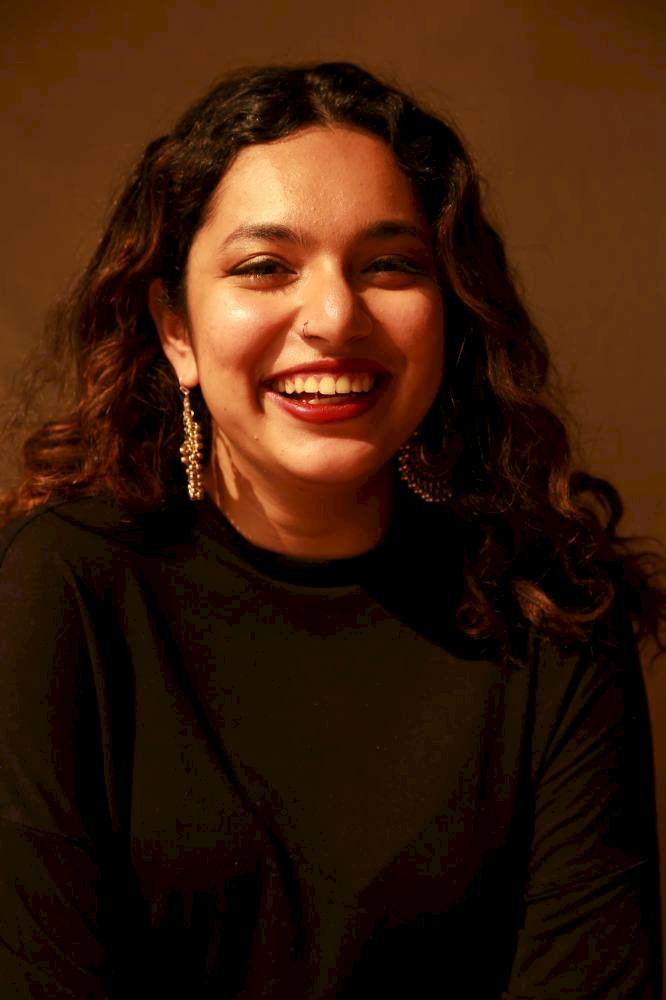
After a whirlwind stint away from home base in the US between 2015-2019, I returned to the UAE in 2020 with a renewed sense of self. Conversations with other creatives, industry peers, and community felt easier; asking became simpler. I was now surrounded by people with the ability to make space for one another, perhaps due to a shift in who else was here now, and where they had come from. Or potentially due to the evolving relationship between the government and the arts. Residual feelings of the isolation I had previously experienced here grew stale. Things had changed. I felt as if the UAE’s atmospheric insularity had also shifted; doors no longer seemed shut as they had before. Now some may say that my accounts of growing up here may not shed light on what it was ‘really like’ — but my experiences were not unique. Insularity still seemed present, even if lesser than before. All for the sake of self-preservation, I thought.
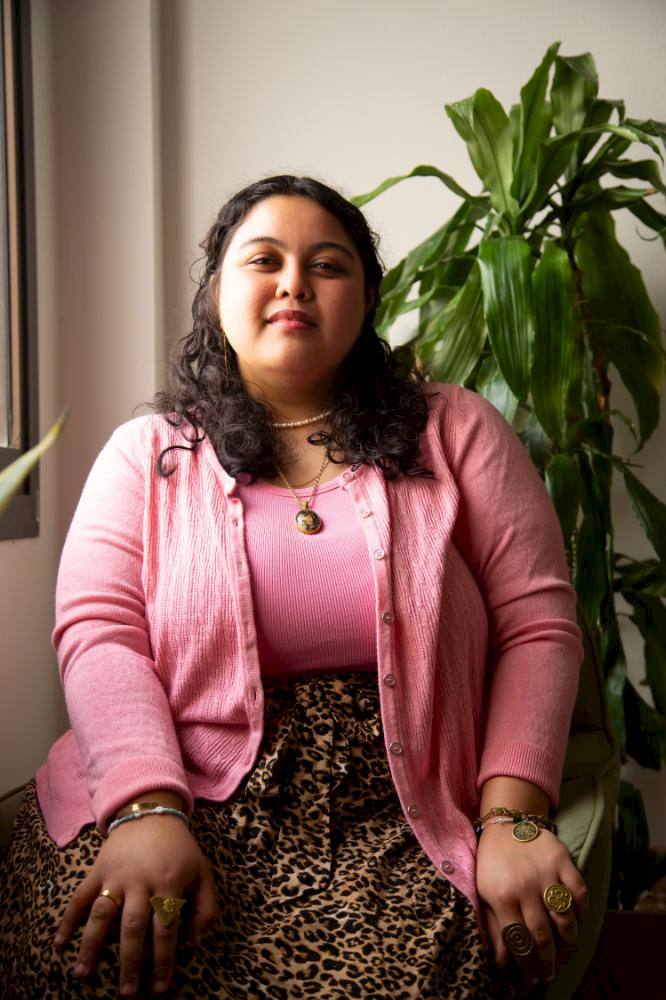
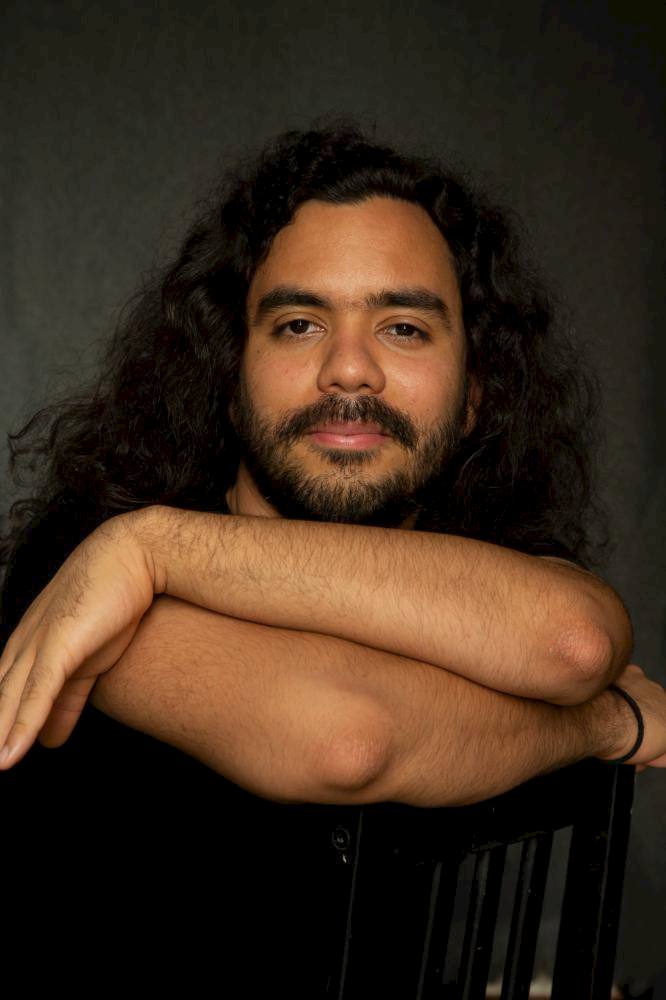
I am not quite sure what ultimately drove me to muster up the confidence to ask some of these people to take their portraits, or what drove me to say yes to others who asked me themselves via social media. People ranging from Peaxh, a producer and artist in the community, who contacted me online, to Christopher Joshua Benton, a prominent visual artist who works with large-scale installations, to Gaith Abdulla, founder of the grassroots creative space and incubator Bayt Al Mamzar. Although not eloquent to say, I haven’t spent too much time thinking about why I decided to shoot fellow creatives in this way. The goal was not, and will never be, to photograph someone based on their social standing. I also knew I had a deep disdain for fashion photography — its vapidity oozed out of every photograph posted online or plastered on ad campaigns. The same faces, the same slogans, nothing real. I had very little interest in carrying on the tropey splooge that was street photography in the region either — enough of the fetishised photos of people doing their jobs in the heat. All that could be leaned on now was the portraiture.
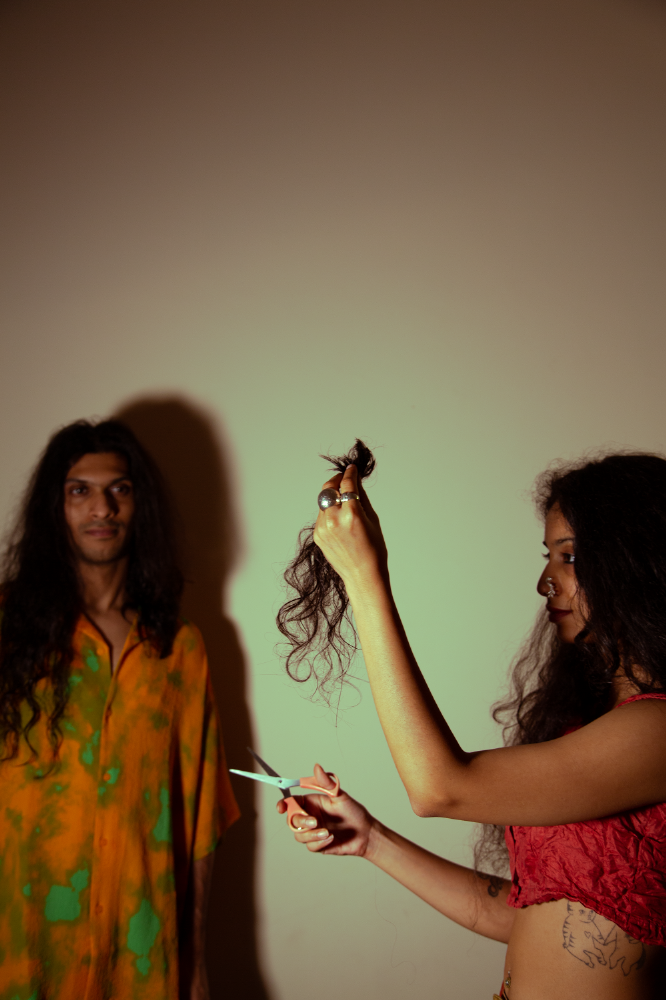
Each portrait is contractual and consensual. The photographer and the subject work together to create the image. There is no other way around it. My primary interest in portraiture lies in its ability to bring out confidence in the subject's eyes. It doesn’t always turn out that way, but it’s something I strive towards achieving. Another element to most photos has been working largely exclusively with natural light. I decided against shooting in a studio setting for the foreseeable future, although greatly admiring the artistry of lighting. I‘m not interested in playing God for the sake of a photograph. Shooting in a studio also takes away the time to learn more about the person sitting in front of you. So I kept, and keep, it simple, timing the light through my windows based on the season, while trying to focus on facilitating comfort.
A conversation around the photograph is incredibly important to me. I have photographed some people who have come in and provided me with great movement – each shoulder pop and leg extension worthy of a hype magazine spread – but I cannot say this interests me. Speaking with my subject about what they may be thinking about in the moment allows me to understand how they emote, how their faces move. It gives me more space to understand how their bodies and expressions naturally prefer to land, helping me take a photograph that feels more honest. The act of sitting in front of a stranger and having them perceive you can feel intimidating. Eyes shift, palms rub together. Vulnerabilities rear their heads unexpectedly. Those are the moments I anticipate. Because no amount of equipment and camera knowledge can erase the discomfort that can be seen by all in the photos afterwards. I feel this is often forgotten: the general desire to make a subject feel comfortable, and not performative, but seen.
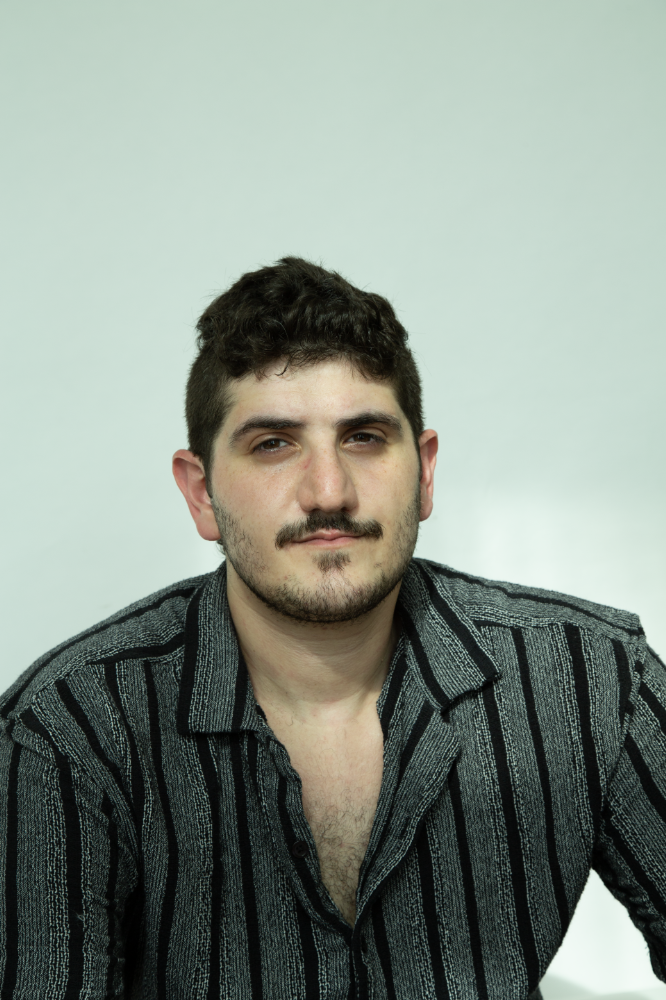
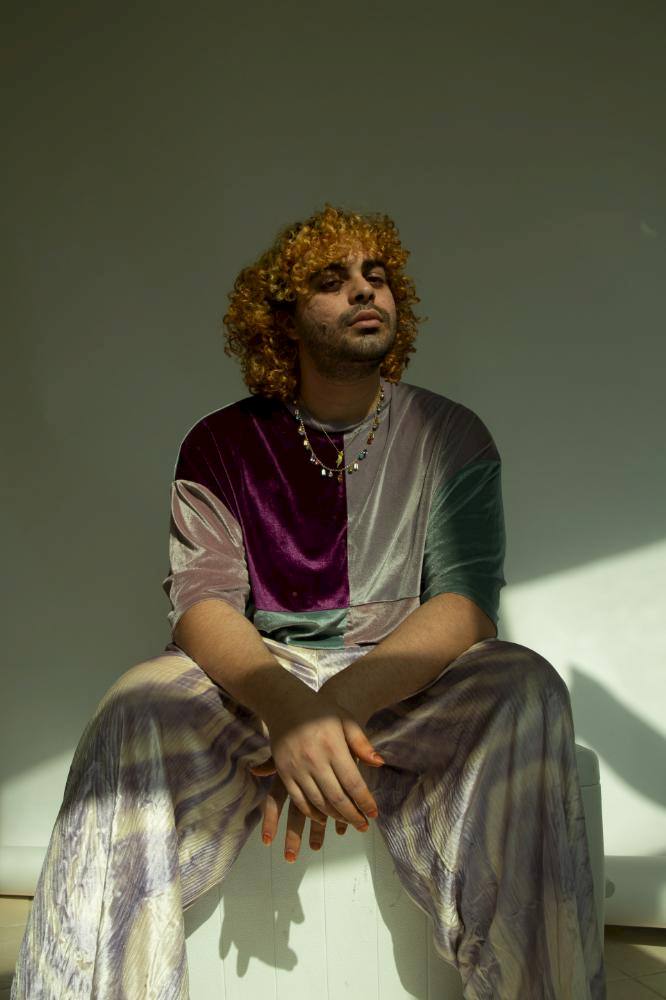
The community I’ve found myself in has been open to letting me perceive them, both through the camera and beyond it. When I first returned to the UAE, I had yet to believe that I had a place here, often thinking of ways to leave instead of stay. But I was embraced by many people upon my return, before I could even realise it. They assisted me in tearing through past experiences, allowing me to focus on the present of what the community had become. In such a short amount of time, this space has flourished quite beautifully. There are still pockets of snark and condescension, but those pockets exist everywhere. There are less barriers placed upon those who have a desire to make something creative happen. They’re still present, but no longer as concrete as they were before, in my younger years.
I have been able to meet and photograph many kind people in the UAE. They have provided me with the opportunity to relearn how to position myself here, working my way out of a psychological hole that I had very deeply dug for myself years ago. I could say many things, speak on specific experiences of photographing people here — expectations they have had when walking into my home, the lack of respect that has graced my carpets, and the secrets told that have turned strangers into friends. But it's all par for the course when capturing someone's likeness, in a place where every word uttered and eyelash brushed is curated. There is now more room for error amongst the crowd, a little more space to make a mistake. Though an animated sense of manicuring dominates, thank goodness for those who have not ascribed to the false notions of perfection these swept, paved roads continue to attract.
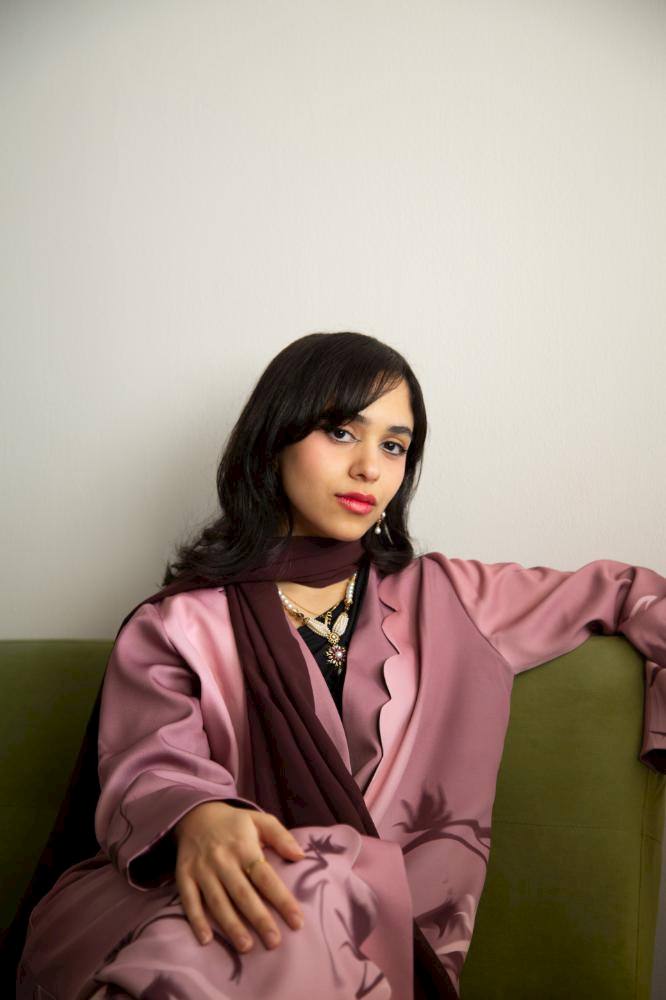
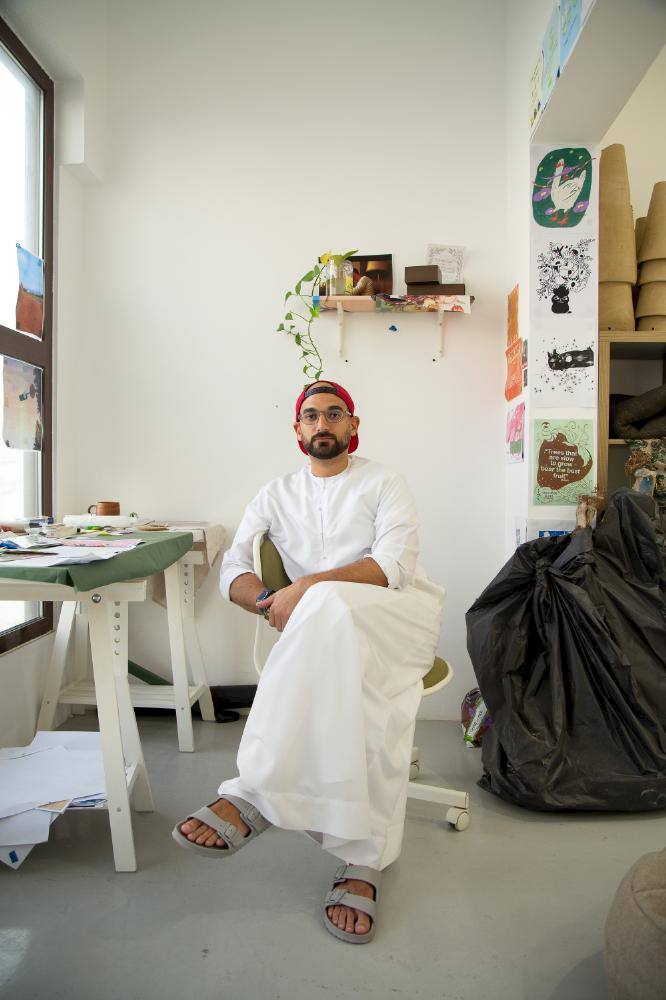
All images by Myriam Louise Taleb.


Our summer special issue, guest co-edited by Laure Assaf and Deepak Unnikrishnan, explores the United Arab Emirates’ literary and creative scene — away from monolithic representations of the region. Its contributors are makers – of books, arts, texts, and community – with ties to the United Arab Emirates and/or the Gulf. They are brought into conversation across generations and disciplines, reflecting on what this place is for them, and what it does to them. They talk about risk, memory-making, taxis, and televised dreams — pushing the lines, or treading them carefully.
