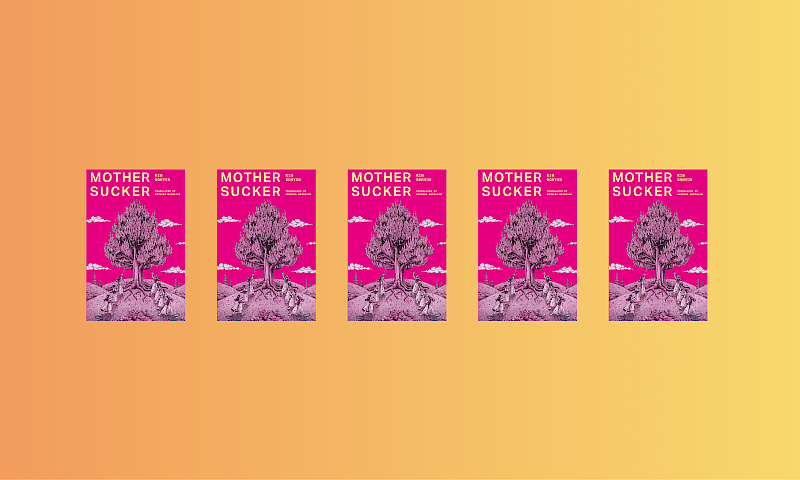
Extract: Mothersucker by Kim Bohyun, trans. by Archana Madhavan
Read an extract from Korean writer Kim Bohyun's forthcoming novel Mothersucker (Dead Ink Books), translated by Archana Madhavan — a chilling tale about a grieving mother whose need for revenge transforms the trajectory of her life, along with the detective on her trail. Switching between various female perspectives, the novel offers dynamic, cutting insights into power and bigotry.
ExtractFiction
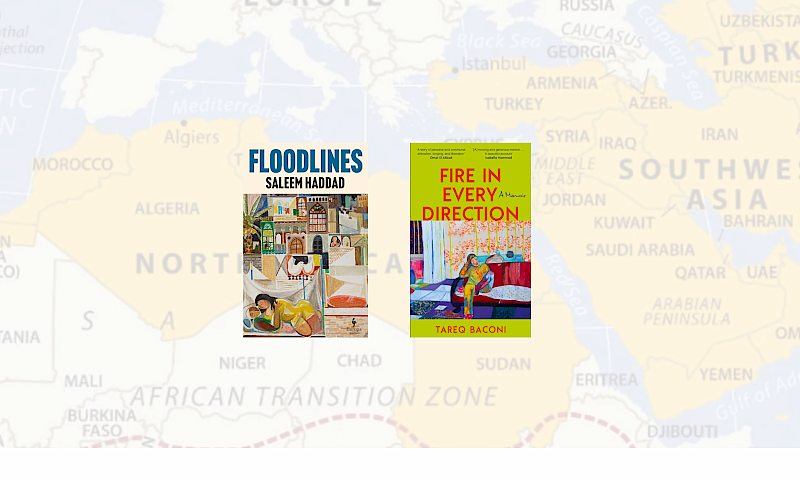
Intimacy as Futurity: A Conversation with Tareq Baconi and Saleem Haddad by George Abraham
Poet and Mizna editor George Abraham speaks with queer Arab writers Tareq Baconi and Saleem Haddad on their latest books – Baconi's memoir Fire in Every Direction and Haddad's new novel Floodlines – in this warm, generous interview from our latest issue, Wasafiri 127: Solidarities. Together, they discuss and explore narrative form, memory and archives, writing beyond a Western ethnographic gaze, imperial violence, art as a means of survival, and much more.
InterviewsSolidaritiesExtract
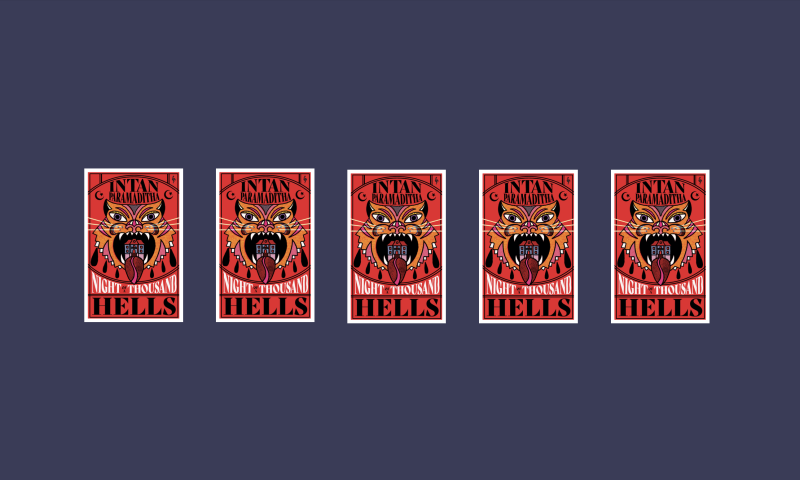
Extract: Night of a Thousand Hells by Intan Paramaditha, trans. by Stephen Epstein, Tiffany Tsao
Read an extract from the forthcoming feminist gothic novel, Night of a Thousand Hells, by Intan Paramaditha. Translated by Stephen Epstein and Tiffany Tsao, and blending Indonesian folklore, Islamic mysticism, horror, and political reckoning, this is the first book translated from Indonesian that has been longlisted for a National Book Award. Set across Indonesia, the US, and Australia, the novel follows three sisters, the youngest of whom becomes a suicide bomber. The surviving sisters must then face hidden truths in their family history.
ExtractFiction
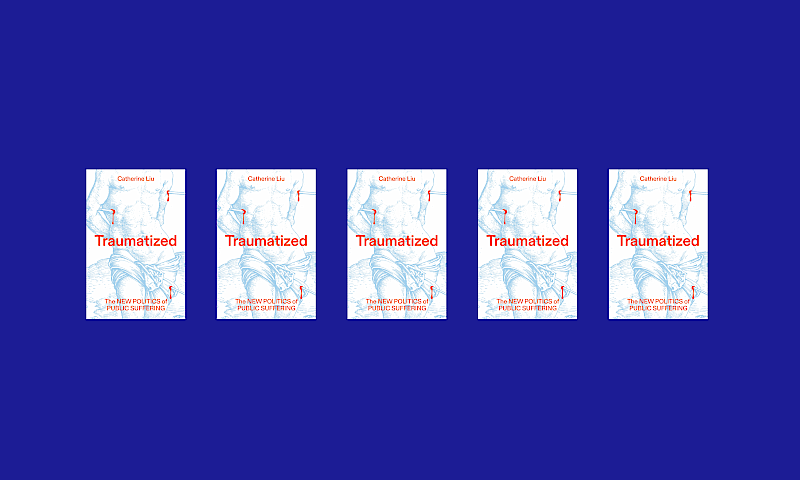
Extract — Traumatized: The New Politics of Public Suffering by Catherine Liu
Read an excerpt from Catherine Liu's forthcoming book Traumatized: The New Politics of Public Suffering, where she explores and challenges how trauma has become a weapon in the culture wars – amid the collapse of liberal politics, and the rise of emotional display as a surrogate for political action. Accompanied by a brief introductory note from Catherine, this extract – from the chapter 'Oprah or the Work of Trauma in the Age of Televisual Reproduction’ – analyses the career of media mogul Oprah Winfrey in light of the trauma script.
ExtractNonfiction
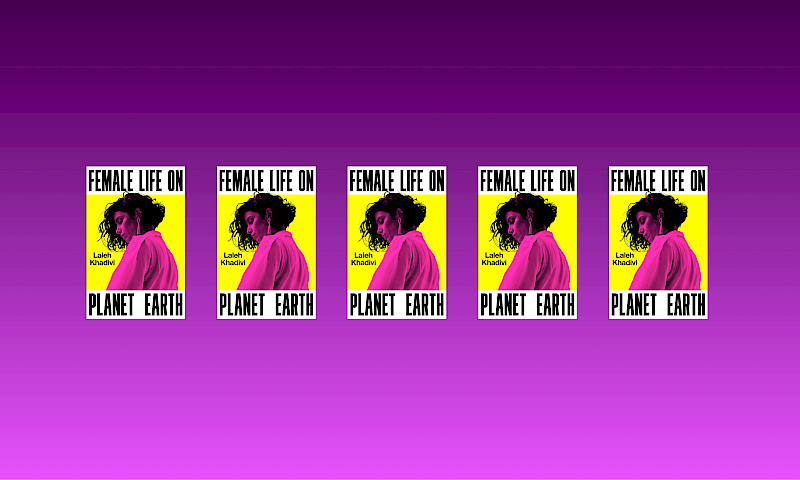
Extract: Female Life on Planet Earth by Laleh Khadivi
Read an exclusive extract from Laleh Khadivi's new novel Female Life on Planet Earth, in which a woman named Heti's life is upended after her mother's death and an unexpected delivery: a package containing photos of Heti's mother as a veiled young woman in Iran. She is inexplicably shown pointing a machine gun at a group of crying young women. In this excerpted chapter, titled ERUPTIONS, Heti is a silent companion to her cousin Mina's monologue about marriage, immigrant identity, and the comfort of large discount supermarkets.
ExtractFiction
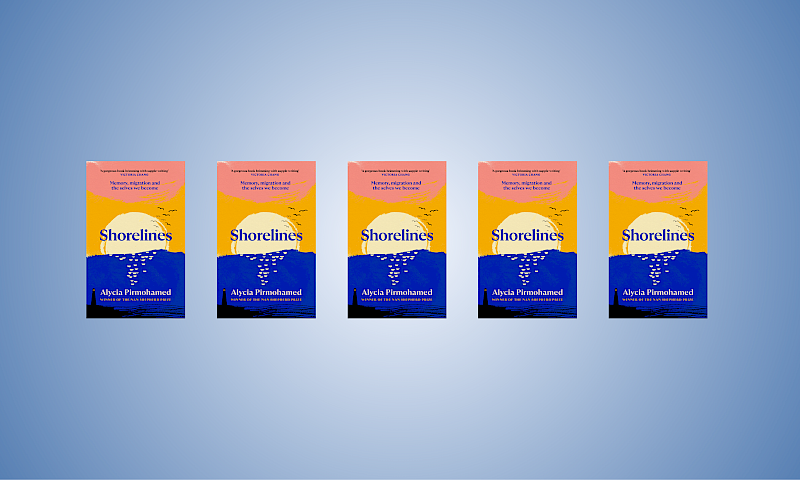
Extract: Shorelines by Alycia Pirmohamed
Read an extract from Shorelines: Memory, migration and the selves we become, the Nan Shepherd prize-winning debut nonfiction book by Alycia Pirmohamed. The Canadian-born, Scotland-based writer reconciles her identity and memories with those of her family across landscapes of place, faith, and community. Playing with the expectations of the nature writing and memoir forms, the immersive, lyrical narrative travels between the British Isles, East Africa, Midwestern Canada, and the Pacific Northwest, as well as Pirmohamed's home city of Edinburgh.
ExtractNonfiction
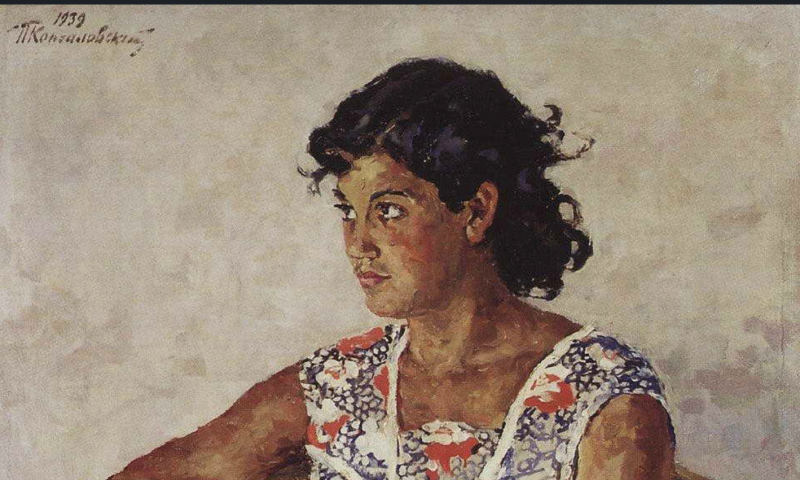
Waiting Room by Safia El Aaddam, trans. by Ian Farnes and Layla Benitez-James
In this short story by Safia El Aaddam – translated from Spanish by Ian Farnes and Layla Benitez-James – a chance encounter with an old friend in a waiting room sets off a chain of memories for the protagonist. To protect themselves from being ridiculed in school, the two girls once concocted new fictional identities for themselves in their childhood — hiding the truth of their migrant and economic hardships.
This is an extract from Wasafiri 126: Impossible Returns — The Spain Issue.
FictionExtract
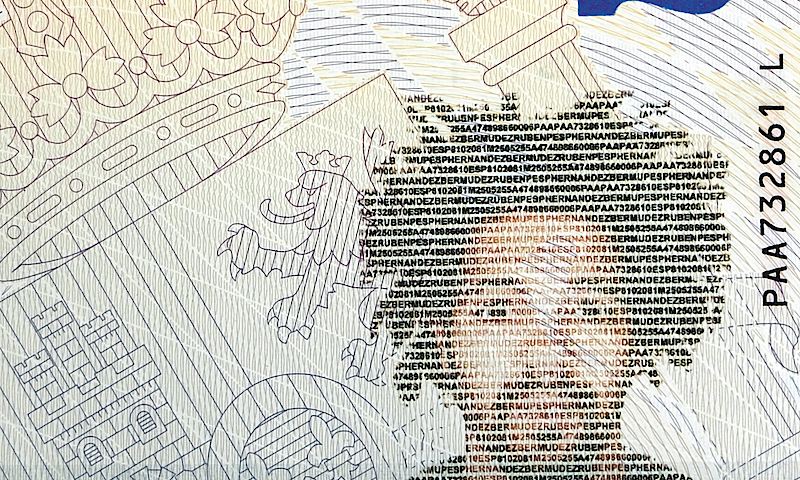
Mirarse Negro en España / To See Oneself Black in Spain: Memory, Archive, and Resistance in the Work of Rubén H Bermúdez
Dantaé Garee Elliott explores the work of visual artist and author Rubén H Bermúdez, specifically his photobook Y tú, ¿por qué eres negro? (And You, Why Are You Black?) and documentary, A todos nos gusta el plátano, which record self-representation of the Black diaspora in Spain — a country where whiteness is positioned as the norm.
This is an extract from Wasafiri 126: Impossible Returns — The Spain Issue.
ExtractNonfictionArt
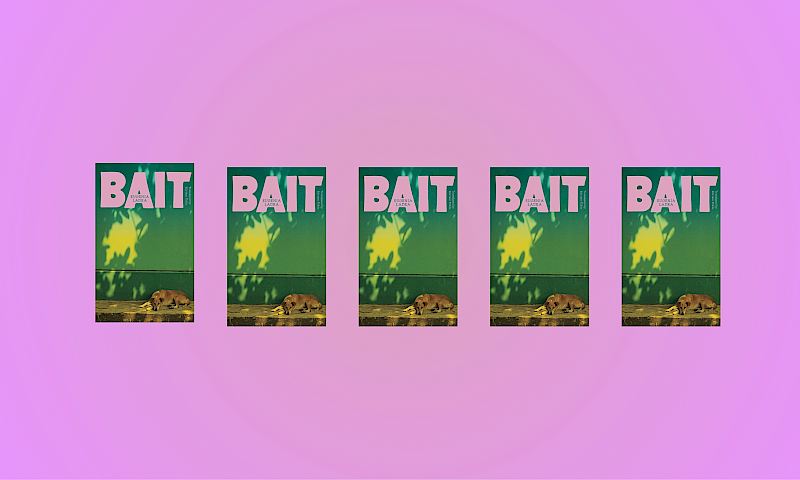
Extract: Bait by Eugenia Ladra, trans. by Miriam Tobin
Read an extract from the forthcoming novel Bait by Eugenia Ladra, translated from Spanish by Miriam Tobin. In the small fictional village of Paso Chico, based on the author's own childhood experiences in northwest Uruguay, two protagonists – a thirteen-year-old named Marga and a man named Recio – form a complex relationship that both reveals and unsettles how forms of violence are normalised within small towns across the country, indeed across many other Latin American nations —'every day without fuss, inconvenience, or even complaint.' This extract is accompanied by a special author introduction.
ExtractFiction
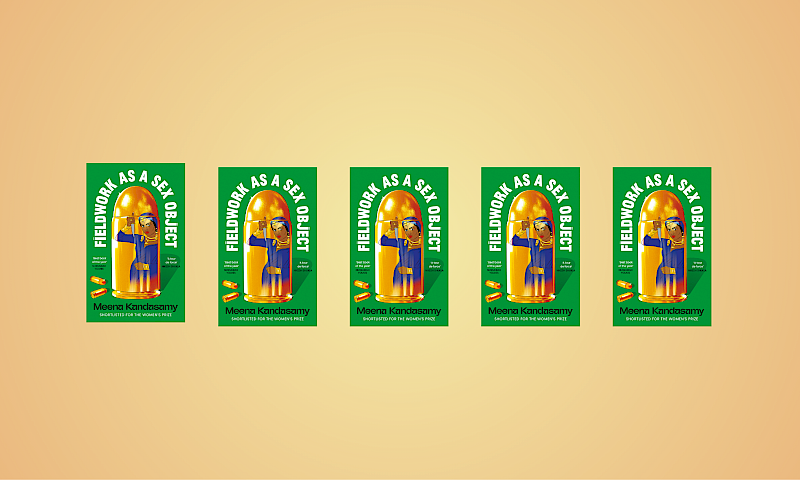
Extract: Fieldwork as a Sex Object by Meena Kandasamy
Read an extract from Meena Kandasamy's new novel, Fieldwork as a Sex Object, where protagonist Amy/Amrita's world begins to reel when a deepfake porno of hers goes viral. As the online world nastily careens into the offline, she reckons with a culture of violent algorithms, digital warfare, rising Hindu supremacy, quick cancellations, and barbed patriarchal structures.
FictionExtract
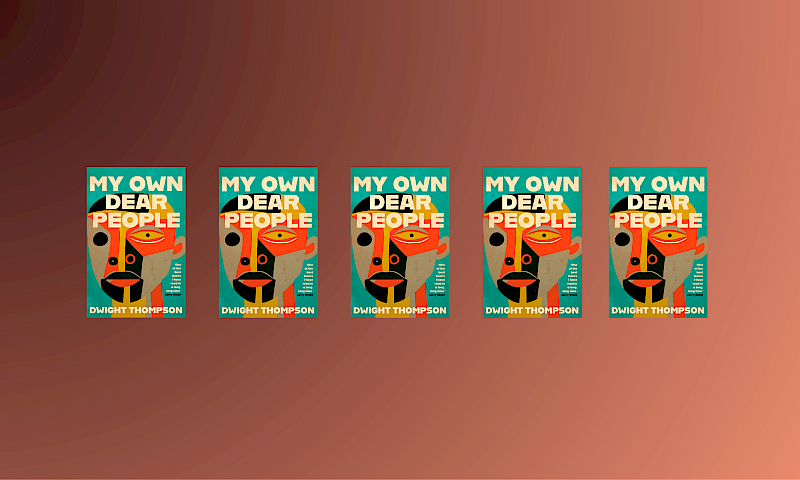
Extract: My Own Dear People by Dwight Thompson
Read an extract from My Own Dear People, the forthcoming novel by Jamaican writer Dwight Thompson, accompanied by a special introduction from the author. The story follows a young man named Nyjah Messado upon his return to Montego Bay — a city that is a vitrine for foreign tourists, yet pockmarked with danger for its local residents. Nyjah is haunted by the memory of witnessing an immense act of cruelty at the elite boys' school he once attended. In MoBay, he meets a young woman named Andrene and is forced to reckon with his own masculinity and actions in a society frequently hostile to women and queer communities.
FictionExtract
Just a Body Part by Farah Ahamed
This short story by Farah Ahamed is set in Uganda in 2005, against the backdrop of a national debate on Eve Ensler's The Vagina Monologues — a 'foreign', 'feminist' text poised to enter the country, yet already infiltrating its people's politics. The story is written through the point of view of an unnamed Ugandan woman who, influenced by the roiling discourse around the play, reckons with the abusive reality of her relationship and her rights as an African woman.
FictionExtract
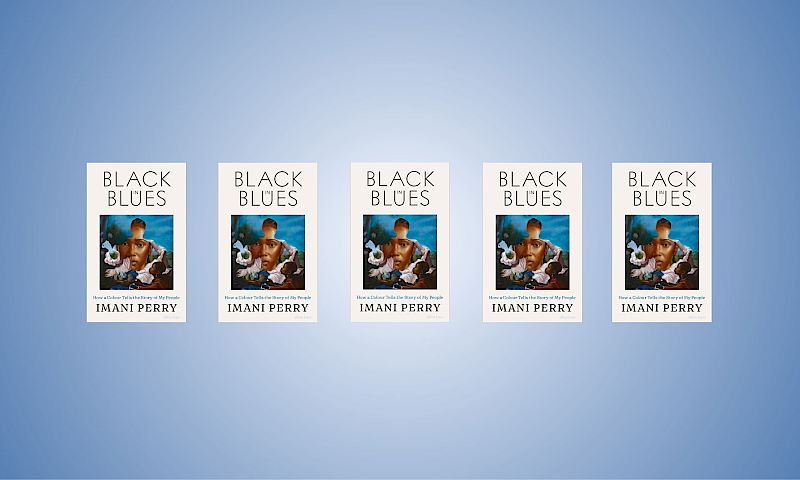
Extract — Black in Blues: How a Colour Tells the Story of My People by Imani Perry
Read an extract from Imani Perry's Black in Blues: How a Colour Tells the Story of My People (Allen Lane, 2026). Drawing from her own experiences, global history, and encounters with music, literature, and art, Perry traces how Blackness and the colour blue have been entwined for centuries — from the West African dyed indigo cloths that were once traded for human life, to American blues music, to Toni Morrison's writing, and more.
NonfictionExtract
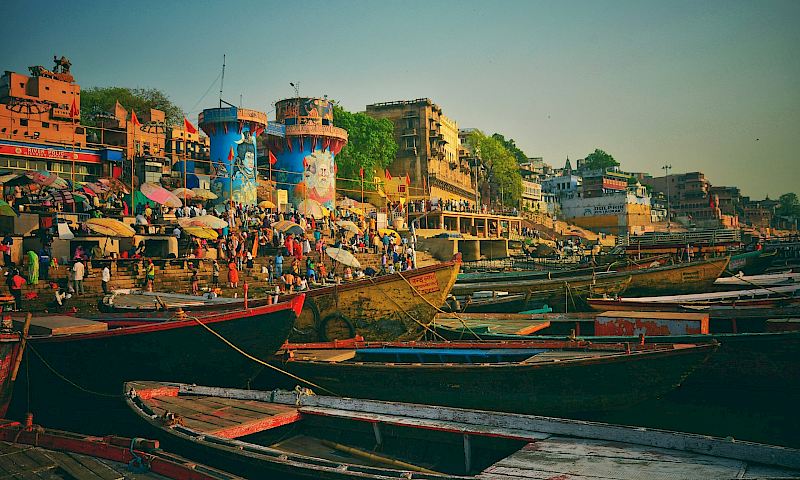
Tectonic Shifts: Writing the Indian Far Right by Anu Khosla
Amid rising fascism and anti-Muslim sentiment in India, this essay by Anu Khosla examines three recent books – Quarterlife by Devika Rege, Saraswati by Gurnaik Johal, and Zara Chowdhary's The Lucky Ones – and their depictions of the seeping, violent ideologies of Hindutva, or Hindu nationalism. This is an extract from our Spring 2026 issue, Wasafiri 125.
NonfictionExtract
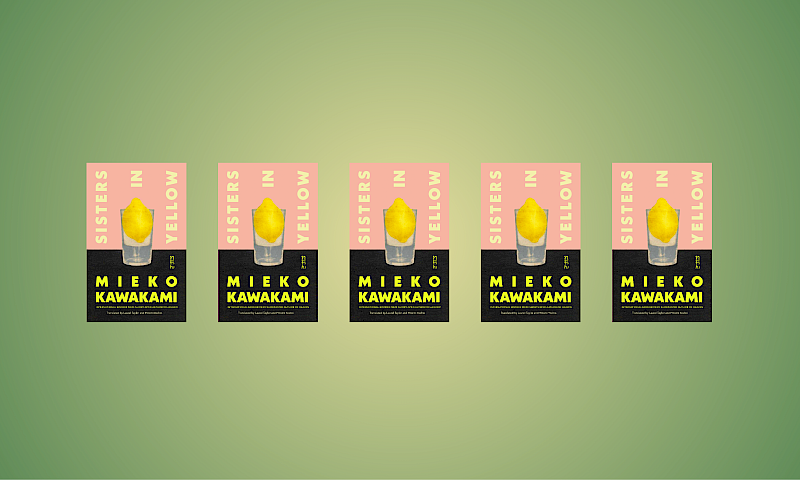
Extract: Sisters in Yellow by Mieko Kawakami, trans. by Laurel Taylor and Hitomi Yoshio
Read an extract from Mieko Kawakami's latest book Sisters in Yellow – translated from Japanese by Laurel Taylor and Hitomi Yoshio – a noir novel set in 1990s Tokyo. The story follows a young teenager, Hana, as she leaves a rough home, opens a bar with three other women, and falls into the city's criminal underbelly.
ExtractFiction
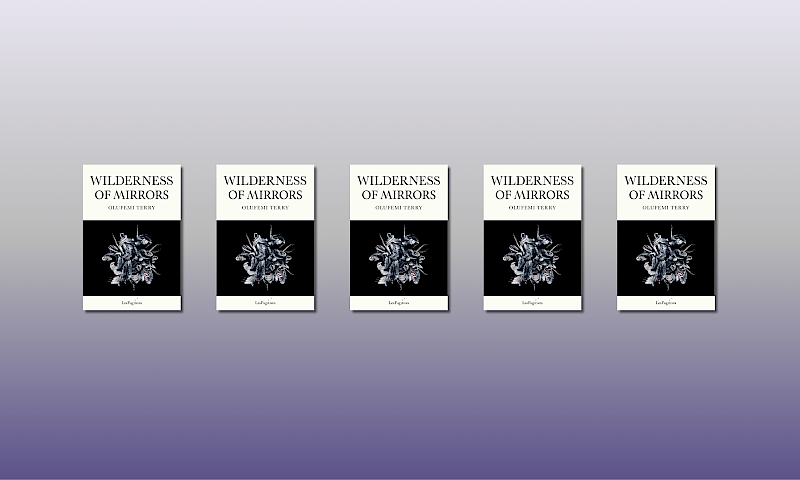
Extract: Wilderness of Mirrors by Olufemi Terry
Read an exclusive extract from Wilderness of Mirrors, the forthcoming debut by Caine Prize-winning author Olufemi Terry. The novel follows Emil, a young, wealthy Creole who pauses his medical studies to move to the fictional Stadmutter, South Africa. There, he experiences the whirlwinds of young adulthood within a post-apartheid, multiracial city with shifting class and cultural hierarchies.
FictionExtract
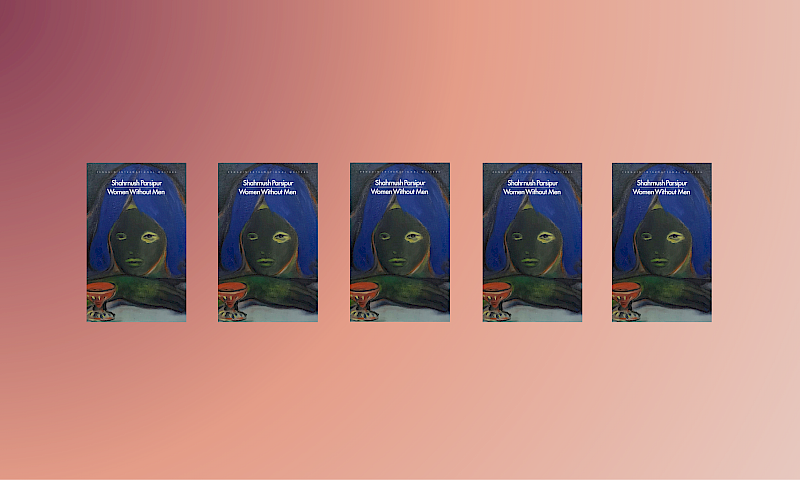
Extract: Women Without Men by Shahrnush Parsipur, trans. by Faridoun Farrokh
Longlisted for the 2026 International Booker Prize, Women Without Men by Shahrnush Parsipur – translated from Persian by Faridoun Farrokh – is a magical realist novel exploring the lives of five Iranian women across different social classes as they try to navigate and shirk oppressive patriarchal constraints. The book was banned in Iran shortly after its initial release, then later adapted into a 2009 film directed by Shirin Neshat. Read the novel's opening here.
ExtractFiction
Loyalty to Language: A Conversation with Madeleine Thien
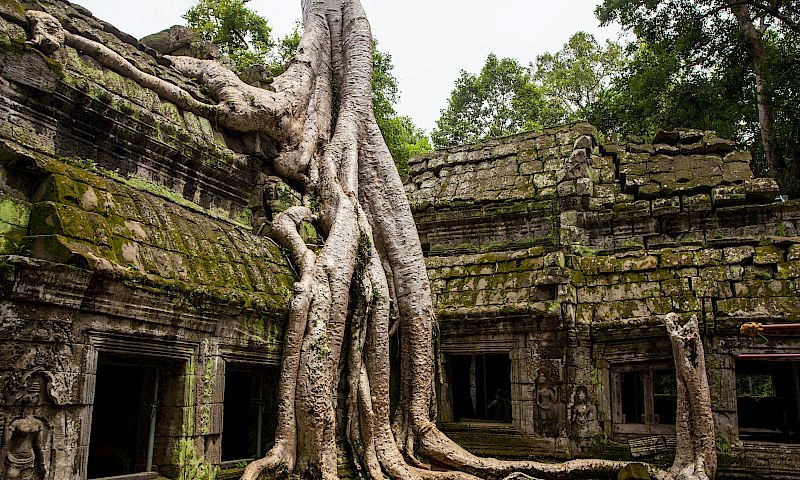
The prolific fiction writer Madeleine Thien speaks to Jeremy Tiang about her latest novel, The Book of Records, where a young girl takes refuge in a structure called the Sea — resembling the Kowloon Walled City if it were 'adrift in time and space'. There, her life melds with three characters analogous to Du Fu, Baruch Spinoza, and Hannah Arendt. The interview further explores Thien's earlier books, her relationships to her characters and stories, grief, and the impact of genocide – in both Cambodia and Palestine – on her thinking and practice. This is an extract from our Spring 2026 issue, Wasafiri 125.
InterviewsExtract
Disobedient Bodies: An Interview with Liliana A Romero
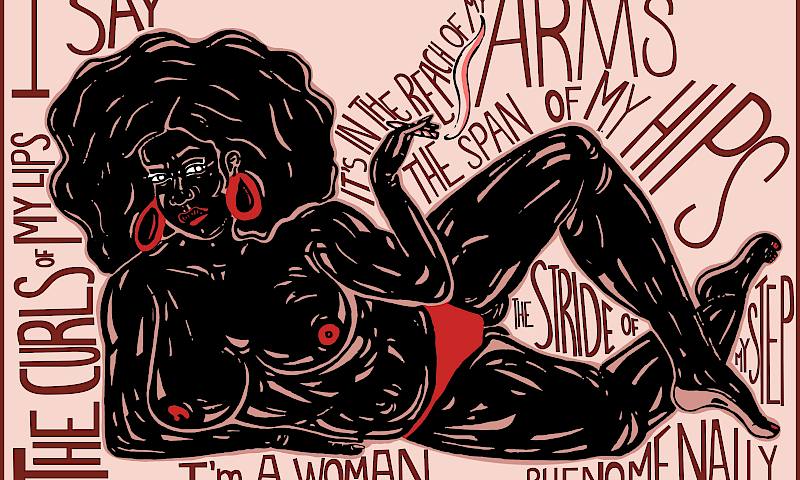
Liliana A Romero, a visual artist and DJ from Colombia, speaks to lecturer Amber Lascelles in this extract from Wasafiri 124 on centring Black women in her art, navigating the art world as a Black Latinx woman, the role of activism in her practice, and more. Liliana is also the cover artist for our landmark British Latinx issue.
ExtractInterviews
Alligator by Luiza Sauma
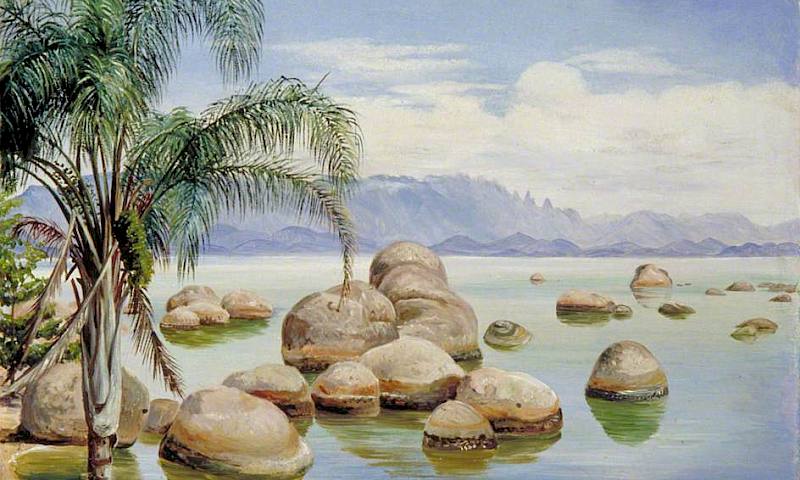
This short, heart-wrenching story by Luiza Sauma centres two brothers, Antônio and José — 'a tall, white madman, and a short, dark índio'. The glorious setting of a Brazilian beach in the sunshine belies the pair's hurting pasts.
ExtractFiction
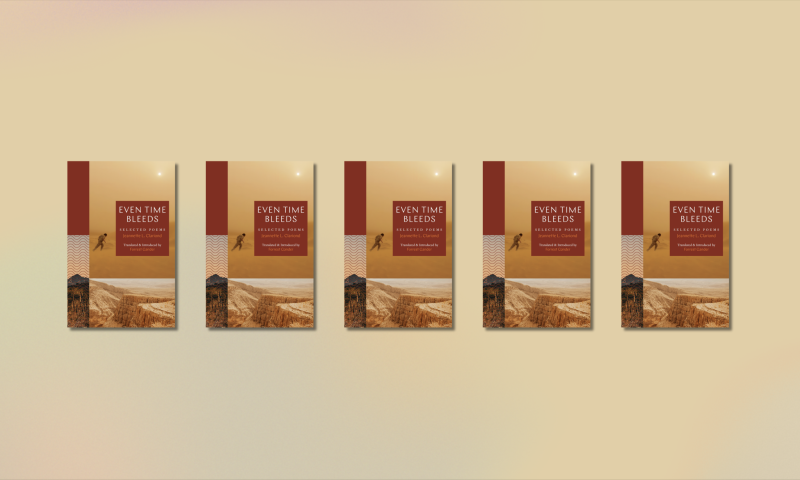
Extract: Even Time Bleeds by Jeanette L. Clariond, trans. by Forrest Gander
Read two poems in both Spanish and English from acclaimed Mexican writer Jeannette L. Clariond, translated by Pulitzer Prize–winner Forrest Gander from the forthcoming collection Even Time Bleeds.
ExtractPoetry
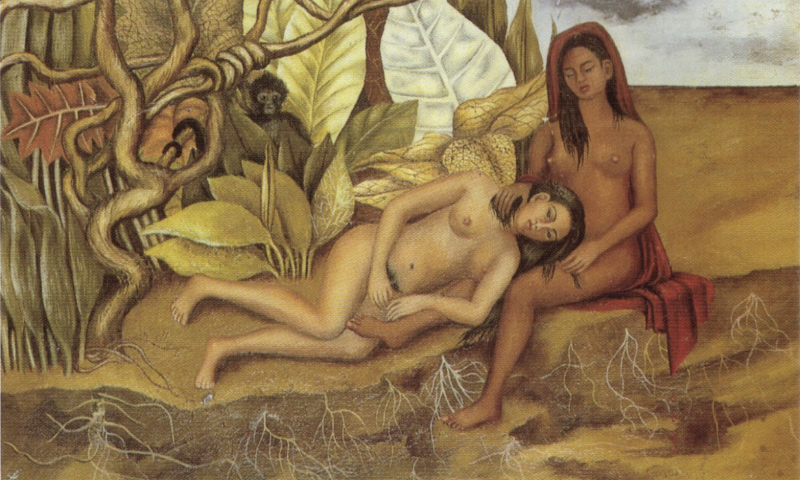
Towards an Embodied Resistance — Female Latinx Writers in Britain by Nathalie Teitler
Illustrated with her own personal experiences, Nathalie Teitler draws on the work of British Latinx writers Juana Adcock, Yara Rodrigues Fowler, Patrizia Longhitano, and Marina Sánchez to explore the physicality of women's writing, migration, (dis)embodiment, pain, and more. This is an extract from the Lead Feature essay in Wasafiri 124: Presencia y Resistencia – British Latinx Writing & Art.
ExtractNonfiction
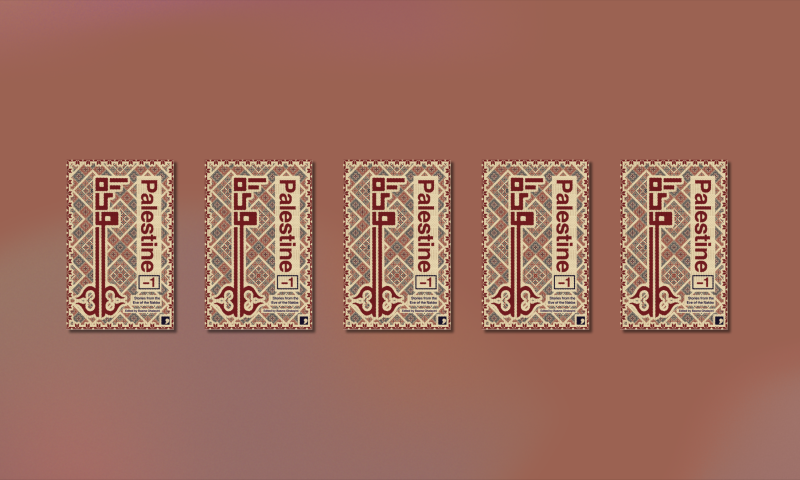
Extract: Palestine -1: Stories from the Eve of the Nakba
Read an exclusive extract from the newly-published anthology, Palestine - 1: Stories from the Eve of the Nakba, a collection of Palestinian writing using literary devices typically associated with the horror genre, edited by Basma Ghalayini. Titled 'I Swear, This All Happened', this magical realist short story by Liana Badr is set in a girls' boarding school in Jerusalem. It is translated by Maisa Almanasreh.
ExtractFiction
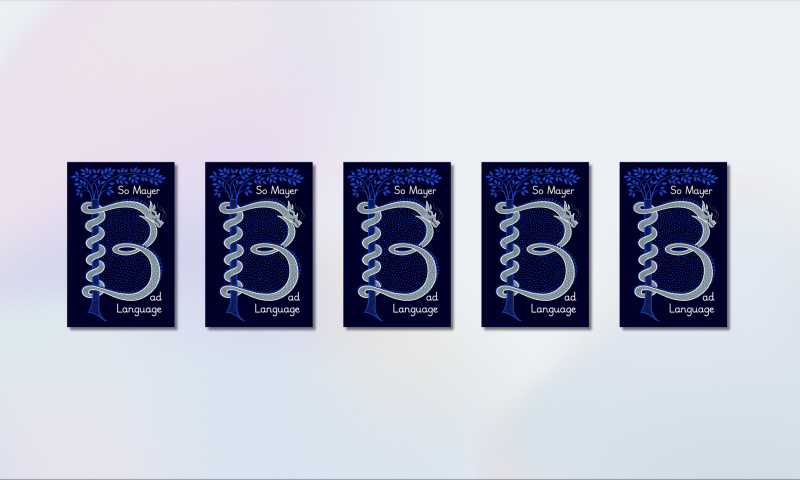
Extract: Bad Language by So Mayer
Read an extract from So Mayer's forthcoming book, Bad Language, a blend of memoir and manifesto exploring the politics of speech, and how language has been used – and abused – collectively and in their own life. This extract is from a section titled 'Shibboleth' – 'a word that draws a border, and makes that border deadly' – in relation to the continued occupation of Palestine.
ExtractNonfiction