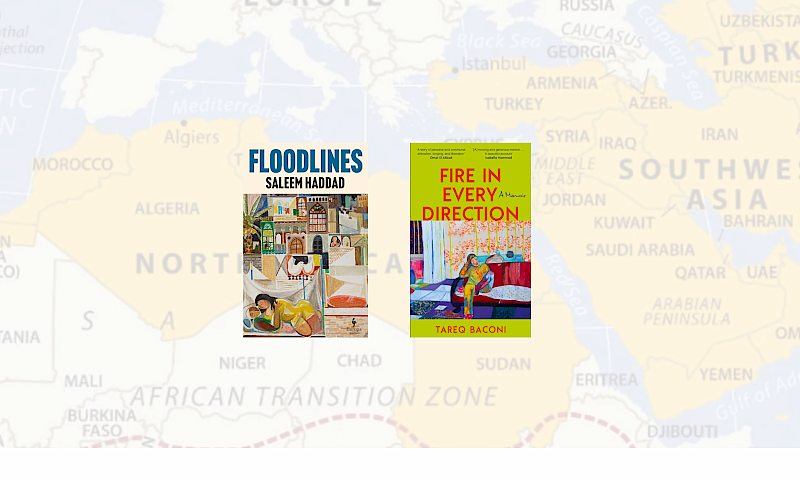
Intimacy as Futurity: A Conversation with Tareq Baconi and Saleem Haddad by George Abraham
Poet and Mizna editor George Abraham speaks with queer Arab writers Tareq Baconi and Saleem Haddad on their latest books – Baconi's memoir Fire in Every Direction and Haddad's new novel Floodlines – in this warm, generous interview from our latest issue, Wasafiri 127: Solidarities. Together, they discuss and explore narrative form, memory and archives, writing beyond a Western ethnographic gaze, imperial violence, art as a means of survival, and much more.
InterviewsSolidaritiesExtract
‘A Beginning of Love Stored in Time’: Abdelrahman ElGendy in Conversation with Fady Joudah
Upon the release of his seventh collection, Exhibit G, the prolific Palestinian American poet and translator Fady Joudah speaks to Egyptian author and translator Abdelrahman ElGendy – both longlisted for the National Book Awards this year – about the collection’s porous formal boundaries, the politics of the image in Gaza, practising versus performing solidarity, what it means to inherit land and language while both are in the midst of being incinerated, and much more in this rich, extensive interview.
SolidaritiesInterviews
More Grassroots and More Commonplace: Jay Bernard and Elaine Mitchener in Conversation
In December 2025, writer and artist Jay Bernard spoke to the experimental vocalist, composer, and movement artist Elaine Mitchener at the University of Cambridge, following a thirty-minute performance by Mitchener. Accompanied by an introductory note from Bernard, read their discussion on the multidisciplinary nature of Elaine's work, the evolution of grassroots activism, her influences ranging from Jamaican music to 1970s-80s American poetry and rap, sound and improvisation across music and poetics, the ubiquity of the 'archive', and much more. This piece is commissioned in tandem with Wasafiri 127: Solidarities.
SolidaritiesInterviews
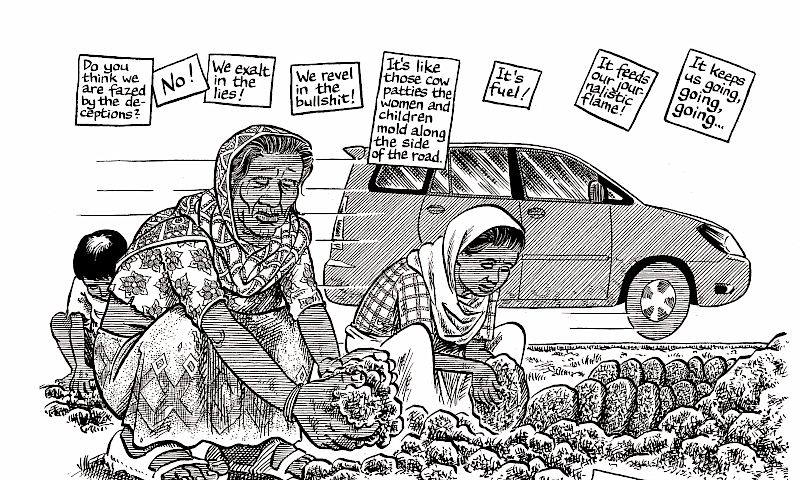
Sand Under the Foundation: A Conversation with Joe Sacco
In this incisive interview, Zena Agha speaks to one of the world's greatest cartoonists and journalists, Joe Sacco. They talk about his 2003 book, Palestine, in the context of the ongoing genocide, his most recent release, The Once and Future Riot (2025), which investigates the 2013 Muzaffarnagar communal riots in India, and other work from across his decades-long career. Speaking openly about his positionality and experiences as a journalist and outsider to regions he covers, Sacco opens up about the brutality he has witnessed firsthand, the loss of hope, US foreign policy, settler logic, journalistic ethics, and more, in a conversation at once deeply personal and sharply political. This is an extract from Wasafiri 127: Solidarities.
InterviewsSolidaritiesArt
One Book Leads to Another: An Interview with Valeria Luiselli by Ingrid Rojas Contreras
The Pulitzer Prize finalist writer Ingrid Rojas Contreras speaks to the prolific Mexican author Valeria Luiselli about the 'gorgeous nesting dolls' of Luiselli's many works of fiction and nonfiction, particularly her latest book, Beginning Middle End (Fourth Estate, 2026). Their conversation bubbles and flows like lava from a volcano as they discuss the liminal space between languages, road trips, borderlands, mythologies, memory, and how we organise and structure narratives and time.
InterviewsSolidarities
Race, Fantasy, and Anti-Cinema: An Interview with Sol Mussa by Paula Teixeira Moláns
In this interview, academic Dr Paula Teixeira Moláns speaks to interdisciplinary artist Sol Mussa – both are from Galicia, 'a non-state nation known for its waves of migration' – about Mussa's artistic practice and personal experiences of migration. Across her work in film and visual art, Mussa thoughtfully explores her Galician-Mozambican identity, speaking the Galician language (known as galego), representation in the art world, finding comfort in the cosmopolitanism of London, trash and hierarchy, and more.
This is an extract from Wasafiri 126: Impossible Returns — The Spain Issue.
InterviewsArt

Porous Lines: An Interview with Mantra Mukim by Victoria Adukwei Bulley
Victoria Adukwei Bulley interviews poet Mantra Mukim about his debut collection, Glitchwork (the87press, 2026). They discuss the grid or mesh as a form of poetics; a failed moon landing thwarted by unexpected error that informed Mukim's writing; other inspirations from visual art and music, like Nasreen Mohamedi and Aphex Twin; and the influences of growing up in the industrial and forest landscapes of Central India.
InterviewsPoetry
On Guest-Editing The Spain Issue: María del Pilar Kaladeen and Marta Fernández Campa
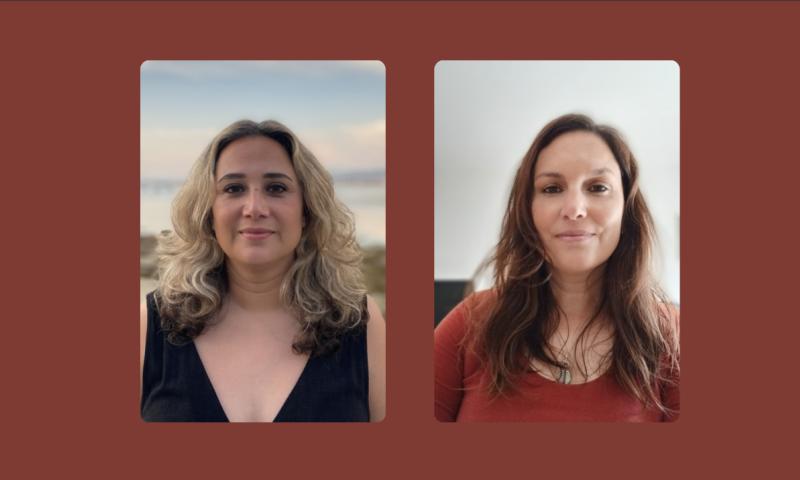
We spoke to María del Pilar Kaladeen and Marta Fernández Campa about guest co-editing Wasafiri 126: Impossible Returns — The Spain Issue, which explores racialised and migrant existences in Spain that are intentionally overlooked in favour of more white, ethnonationalist narratives of the country. They discuss their deeply intentional process of putting the issue together, intersectionality, colonial and historical memory, editing at a time of catastrophe, and more.
Interviews
Wasafiri Wonders: Safia Elhillo
Our 2026 International Writer in Residence Safia Elhillo speaks to us about her reading lists, writing rituals and practices, what 'global solidarities' means to her, valuable advice she has received as a writer, and more in this new interview. Stay tuned for more news on Safia's residency, including upcoming workshops and new writing from the renowned Sudanese American poet, author, and editor.
Interviews

'A Sense of Meaning': Q&A with Ellah Wakatama
In this interview with Ellah Wakatama, Chair of the Judges of the 2026 Queen Mary Wasafiri New Writing Prize, she discusses the role of literary prizes, the importance of translated literature, and the qualities that make a creative work stand out for her.
InterviewsNew Writing Prize
Wasafiri Wonders: Gavin Herbertson
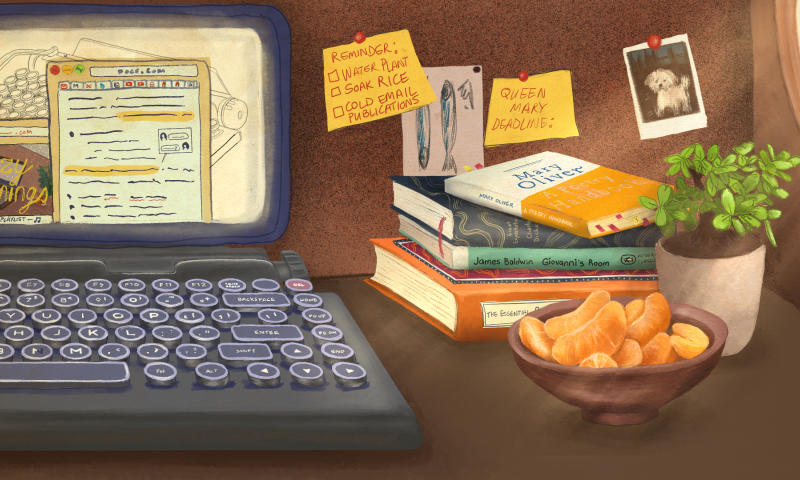
We spoke to Gavin Herbertson, winner of the 2025 Wasafiri Essay Prize, about his winning essay 'Interleafing the Philoctetes Figure: Derek Walcott’s Omeros and The Isle is Full of Noises', making scholarship more accessible outside the academy, Caribbean literary history, his love of Walcott, the best writing advice he's received, and more.
Interviews
Finding Comfort in the Loneliness of Others: Beata Umubyeyi Mairesse and Reading Across Cultures
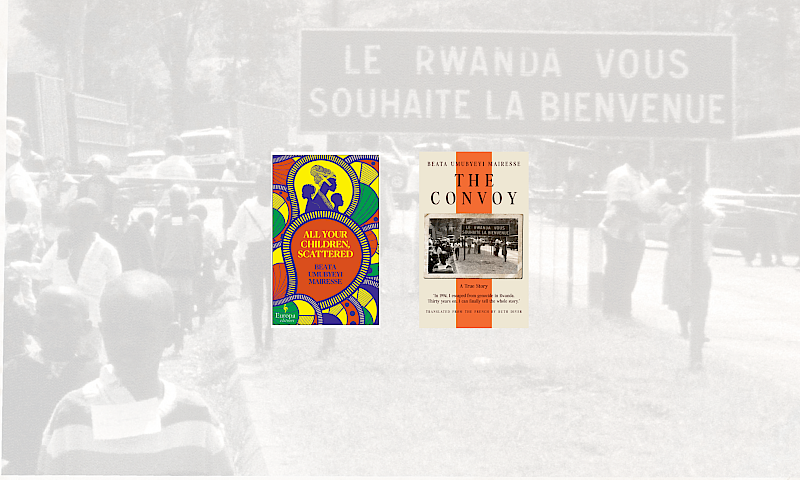
Beata Umubyeyi Mairesse is a prolific Rwandan writer critically acclaimed in the French-speaking world; her work significantly contributes to the literature on witnessing genocide in Rwanda and beyond. Here, she speaks with Zoë Norridge – Wasafiri Associate Editor and academic at King's College London – about her early reading influences in Rwanda and France, the role of writing today at a time of heightened conflict, and how she supports survivors of the 1994 genocide against the Tutsi to share and publish their stories. This conversation includes additional material from Beata and Zoë's original interview published in print in Wasafiri 125.
InterviewsNonfiction
Hidden in the Paradigm: The Poetry of Jay Wright
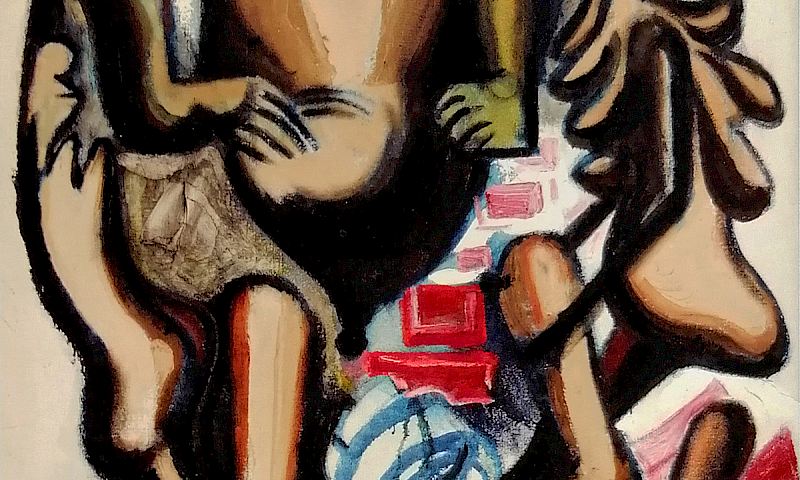
Read a conversation between writers Jay Bernard, Dante Micheaux, and Oluwaseun Olayiwola on Transfigurations: Collected Poems, a landmark volume containing all eight major poetry works by the legendary Black American poet, playwright, and polymath, Jay Wright. Together, they trace critical, audience, and reader perceptions of Wright's work over time, as well as why Wright has been historically overlooked in the global literary sphere in comparison to contemporaries like Wole Soyinka. The conversation is interspersed with two of Wright's poems from the volume, as well as several other excerpts and fragments.
PoetryInterviews

Loyalty to Language: A Conversation with Madeleine Thien
The prolific fiction writer Madeleine Thien speaks to Jeremy Tiang about her latest novel, The Book of Records, where a young girl takes refuge in a structure called the Sea — resembling the Kowloon Walled City if it were 'adrift in time and space'. There, her life melds with three characters analogous to Du Fu, Baruch Spinoza, and Hannah Arendt. The interview further explores Thien's earlier books, her relationships to her characters and stories, grief, and the impact of genocide – in both Cambodia and Palestine – on her thinking and practice. This is an extract from our Spring 2026 issue, Wasafiri 125.
InterviewsExtract
Disobedient Bodies: An Interview with Liliana A Romero
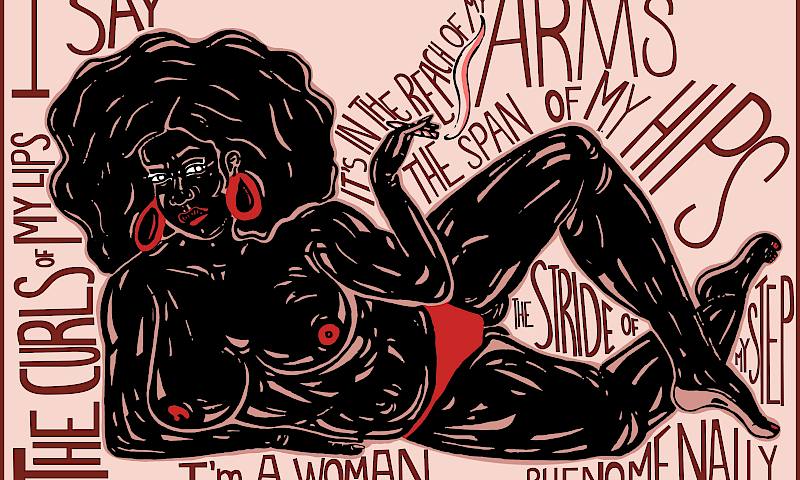
Liliana A Romero, a visual artist and DJ from Colombia, speaks to lecturer Amber Lascelles in this extract from Wasafiri 124 on centring Black women in her art, navigating the art world as a Black Latinx woman, the role of activism in her practice, and more. Liliana is also the cover artist for our landmark British Latinx issue.
ExtractInterviews

On Guest-Editing the British Latinx Issue: Karina Lickorish Quinn and Leo Boix
We spoke to writer and lecturer Karina Lickorish Quinn and poet Leo Boix about guest co-editing Wasafiri 124: Presencia y Resistencia — British Latinx Writing & Art, which critically explores the vibrancy and creativity of the British Latin American and Latinx communities. They discuss their editorial process, the importance of foregrounding Indigenous languages, structural flaws in the British publishing industry, discovering new writers and hidden gems, plus more.
Interviews
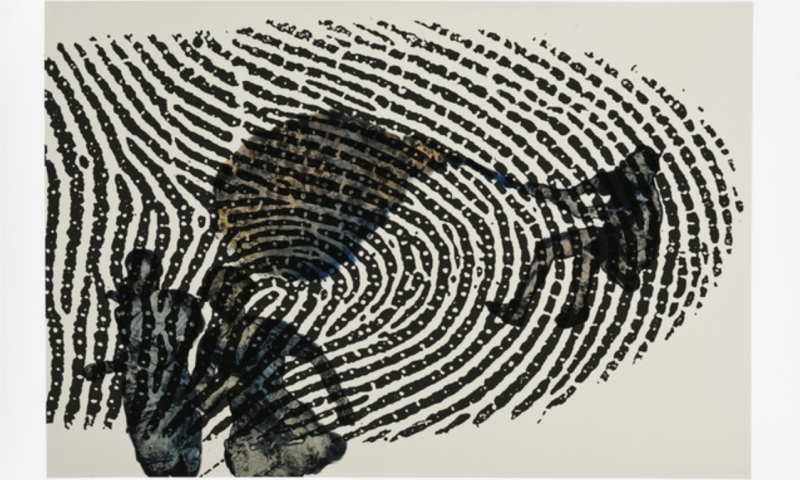
Publishing Commons: R T Samuel and Ruby Hembrom in Conversation
In June 2025, we held a live conversation with R T Samuel and Ruby Hembrom – editor and founder-director from Blaft Publications and adivaani, respectively – two indie publishers championing some of the most exciting and radical work in India's literary scene. The discussion was facilitated by Ananya Mishra and Prerana Kumar, and explored India's contemporary publishing industry, anti-caste expression, science fiction, and promoting Adivasi-Indigenous literary cultures.
Interviews
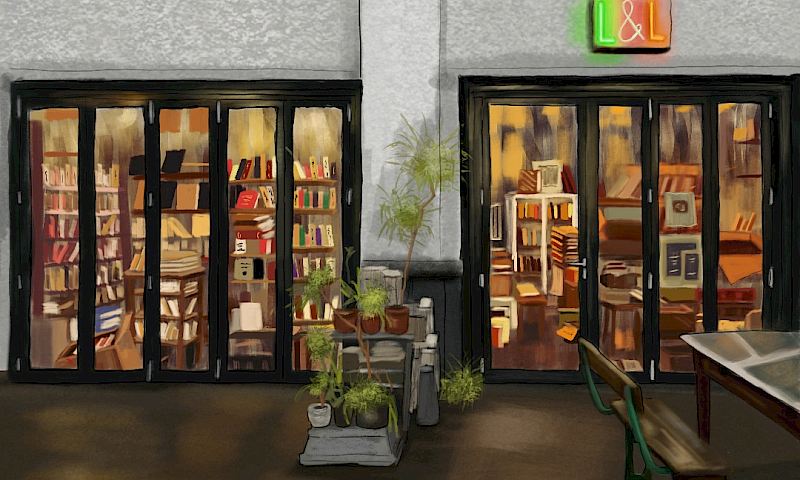
‘I Was Destined to Do This Nonsense’: Siddhartha Lokanandi on Hopscotch Reading Room
As part of our Writing the Self, Writing Berlin series, editorial intern Divya Ghelani spoke with Siddhartha Lokanandi, who runs Hopscotch Reading Room, a Berlin-based English-language bookshop he founded in 2017. A haven for the intellectual – and political – bibliophile, Hopscotch is regarded as ‘an outlier of a bookstore’ in both its home city and beyond, for its intentional centring of non-Western, anti-racist, Global South, and anti-colonial perspectives, as well as minor literatures.
Interviews
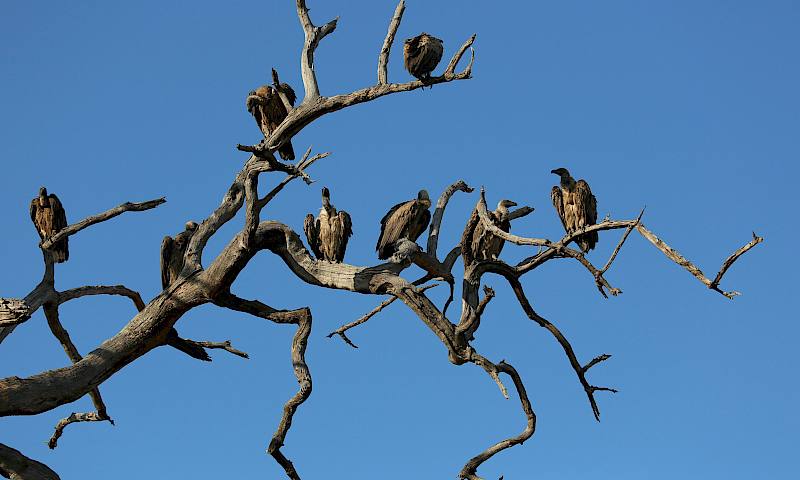
Lauri Kubuitsile on Writing War and Southern African Fiction
Wasafiri's Deputy Editor, Vamika Sinha, spoke to Botswana-based writer Lauri Kubuitsile about her novel, The Scattering — a work of historical fiction set against the backdrop of the Herero and Nama genocide and Second Anglo-Boer War in southern Africa. They discussed women's realities during war, Botswana's literary scene, and southern African writing more widely.
Interviews
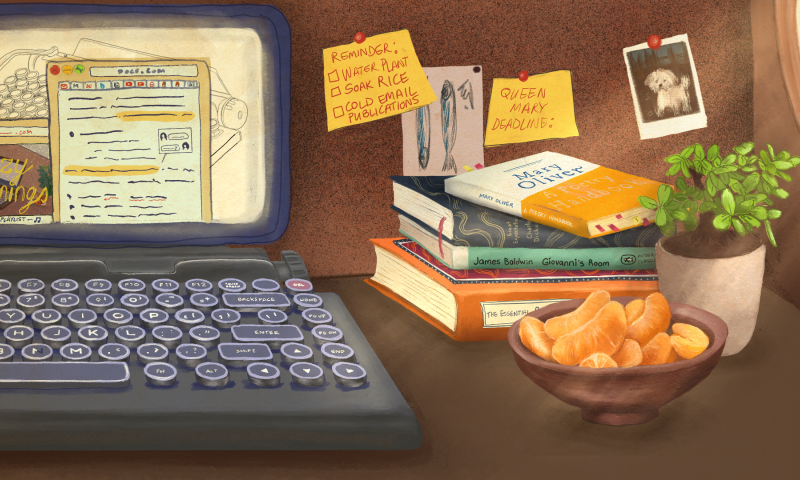
Wasafiri Wonders: NoViolet Bulawayo
We spoke to the twice Booker-shortlisted Zimbabwean author, NoViolet Bulawayo – who recently won the Best of Caine Award – on her career trajectory, the force of literary prizes, writing life, and thoughts on the current African literary landscape.
Interviews
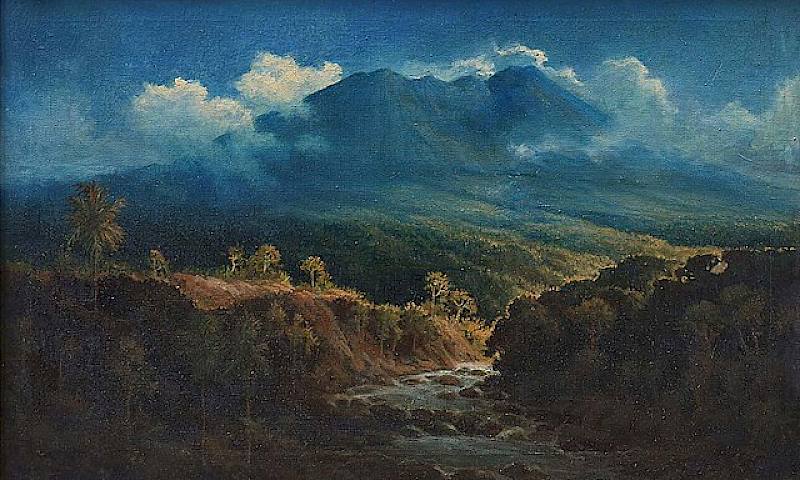
'The Mouth of a Gash, Sing It Like a Scream': Alton Melvar M Dapanas interviews Khairani Barokka
Khairani Barokka speaks to Alton Melvar M Dapanas on how her latest book Annah, Infinite reshapes speculative nonfiction, disrupts genre norms, and disputes the racial, gendered, and ableist biases of fraught literary and artistic spaces.
Interviews
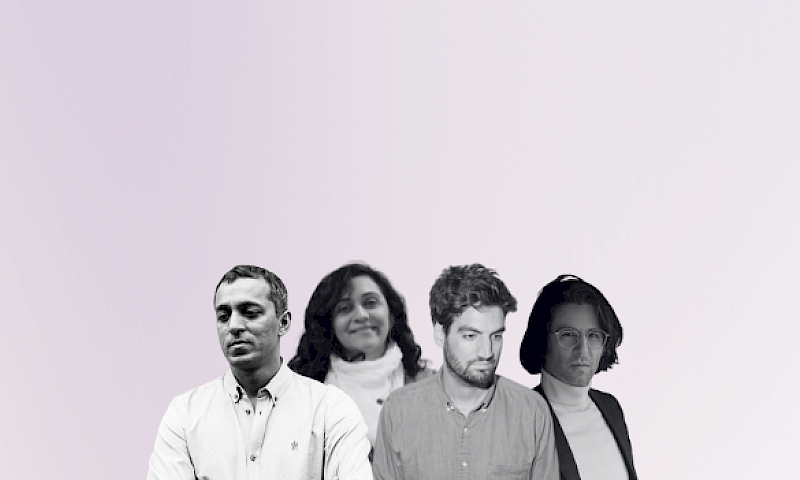
Berlin Writers in Conversation
As part of the Writing the Self, Writing Berlin series led by our CHASE intern Divya Ghelani, three writers based in Berlin – Rajeev Balasubramanyam, Vijay Khurana, and Deniz Utlu – sat down together this summer for a filmed conversation on topics ranging from Berlin's identity as a creative capital to immigration, translation politics, and more. Watch the conversation — exploring what it means to write in Berlin today.
Interviews
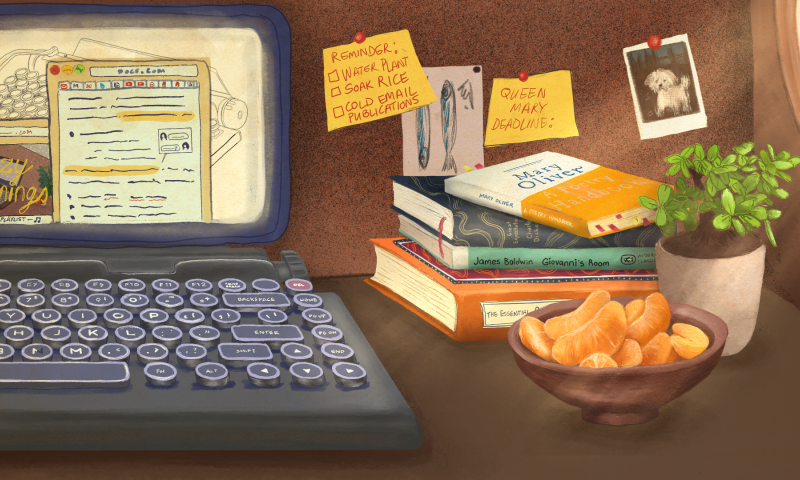
Wasafiri Wonders: Anton Hur
For this instalment of our Wasafiri Wonders series, we spoke to 2025 International Booker Prize judge and our Queen Mary Wasafiri New Writing Prize judge for Fiction this year, Anton Hur, on his writing habits and rituals, the art of translation, and upcoming work.
Interviews
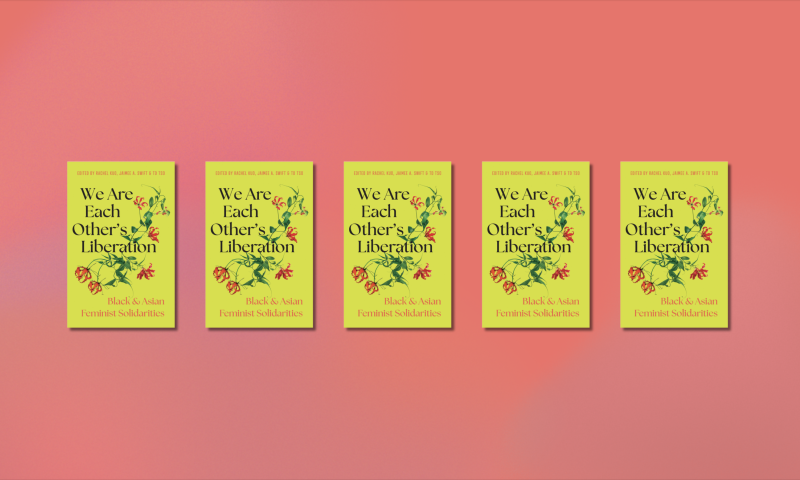
Extract – We Are Each Other's Liberation: Black and Asian Feminist Solidarities
We're delighted to share an exclusive extract from the forthcoming collection, We Are Each Other's Liberation: Black and Asian Feminist Solidarities, edited by Rachel Kuo, Jaimee A. Swift, and TD Tso. This extract is from an interview by Swift with Beverley Bryan and Stella Dadzie – founding members of the socialist and activist group, Organisation of Women of Asian and African Descent – on the joys and difficulties of political organising across race, class, and gender.
ExtractNonfictionInterviews