Witnessing Palestine: On Apartheid, Censorship, and the Counter-Archive
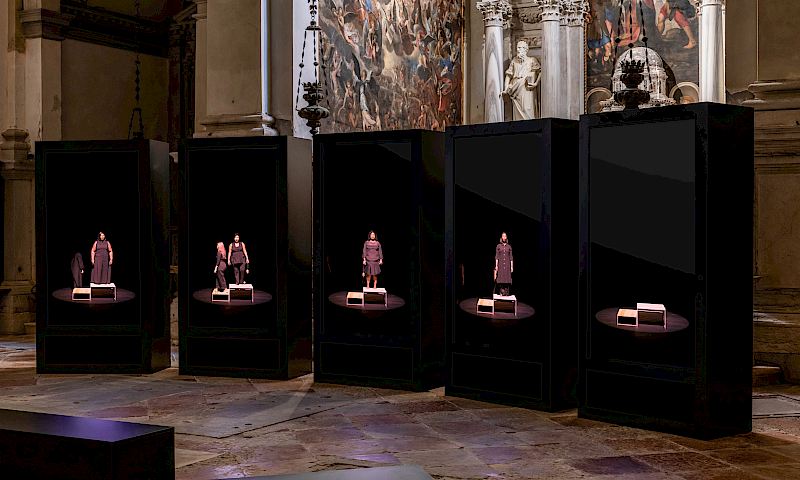
In this essay, Allison Young examines questions of archival assertion and absence in the art world following 7 October 2023, emphasising the importance of recording, witnessing, and testifying to an ongoing genocide that is simultaneously hypervisible and invisible: livestreamed from social media, yet just as quickly erased at an institutional level. She particularly engages with the work of artists Gabrielle Goliath, Nan Goldin, Mary Hazboun, Ahmed Hmeedat, and Emily Jacir, among others, while reflecting on her positionality as an American of South African and Jewish descent, as well as historic solidaristic action between the global South African and Palestinian anti-apartheid movements.
AcademicSolidaritiesArtNonfiction
Meditations: Sunnah Khan on The Hajar Book of Rage
Sunnah Khan weaves in her reading of Hajar Press' first anthology in their Elements series, Rage, with her conversations this summer with political prisoner Kamran Ahmed, who is one of the 'longest hunger strikers in UK history'. Ahmed's trial began in September 2026 alongside his fellow hunger strikers, Heba Muraisi and Qesser Zuhrah, and comrades Zahra Farooque and Liam Mullany from the Filton 25 (follow the case here). As Sunnah's fragmented text progresses, it often splinters and soars into poetry.
NonfictionMeditationsSolidarities
On Censorship, Resistance, and the Limits of Archiving Kurdish Literature
Founder of the experimental Kurdish literature publisher Henar Press, Aryan Omar Hassan, and researcher Hannah Fox are taking on the monumental task of building a database of Kurdish literature in English. Along the way, they have encountered difficulties of classification: where national borders become irrelevant, linguicide lingers, and the way writers identify themselves is complex and varied. In this essay, they outline how they approach building a robust archive and its importance, while wrestling with larger questions of responsibility, identity, and representation.
SolidaritiesNonfiction
Two Poems and a Triptych by Tracy Fuad
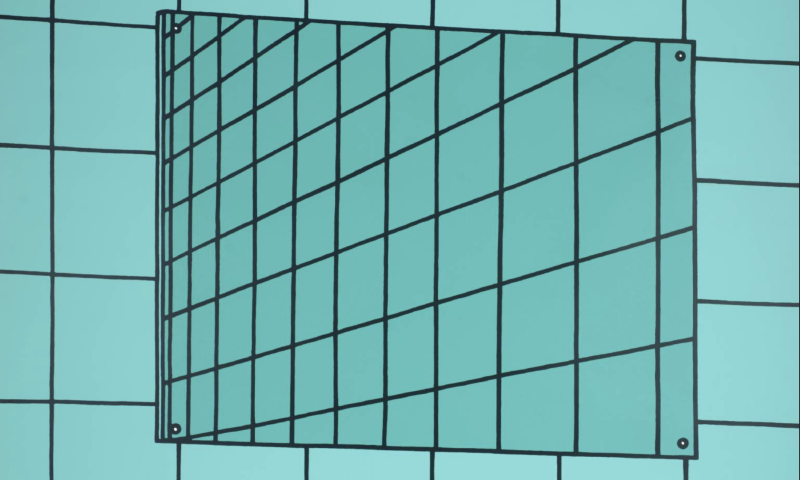
These new poems by Berlin-based writer Tracy Fuad evoke an overall feeling of entrapment: there is talk of borders, bodies encased within mirrors, rooms the size of a person. Told colloquially, as if recounting events to a friend, these two poems and a triptych are striking in the way they juxtapose banality with evil.
PoetrySolidarities
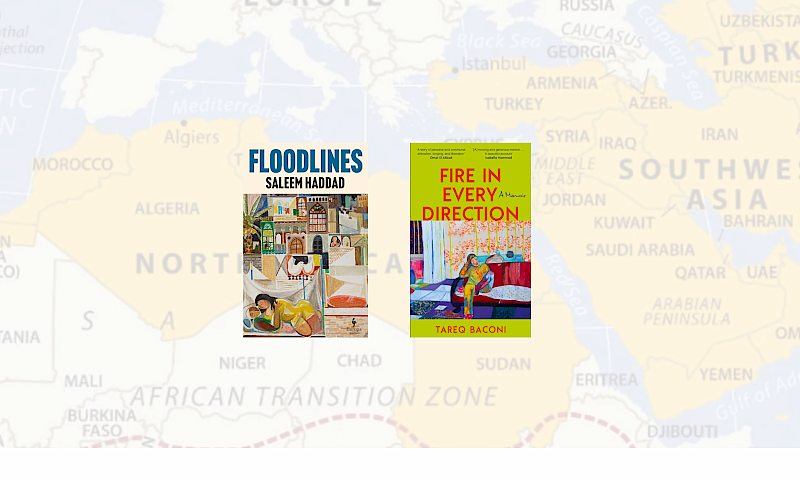
Intimacy as Futurity: A Conversation with Tareq Baconi and Saleem Haddad by George Abraham
Poet and Mizna editor George Abraham speaks with queer Arab writers Tareq Baconi and Saleem Haddad on their latest books – Baconi's memoir Fire in Every Direction and Haddad's new novel Floodlines – in this warm, generous interview from our latest issue, Wasafiri 127: Solidarities. Together, they discuss and explore narrative form, memory and archives, writing beyond a Western ethnographic gaze, imperial violence, art as a means of survival, and much more.
InterviewsSolidaritiesExtract
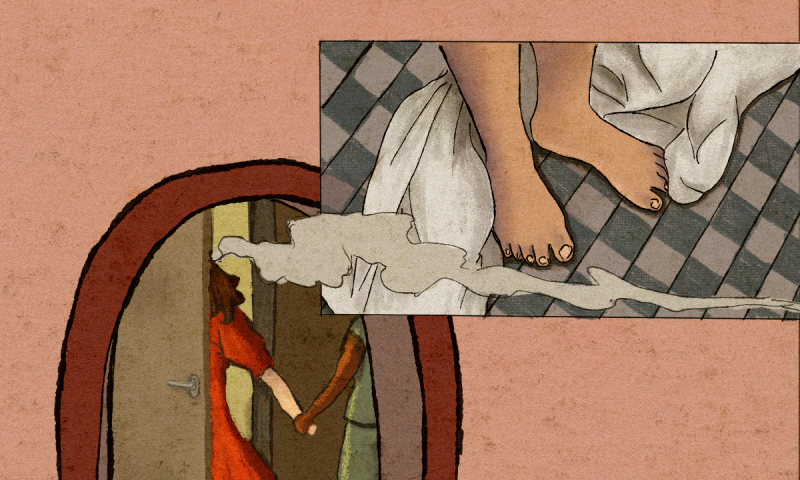
Love Letters from the End of Time by George Abraham
Addressed to the speaker's father, this tender sonnet sequence by George Abraham speaks of forgiveness, regret, longing, and legacy. Comparing their similarities – like 'a mirror that can't be held' – the speaker brings himself into his father's image while also looking beyond, at a relationship with a man who sees him for who he is. With an illustration by Simone Khanyi Hadebe.
PoetrySolidarities
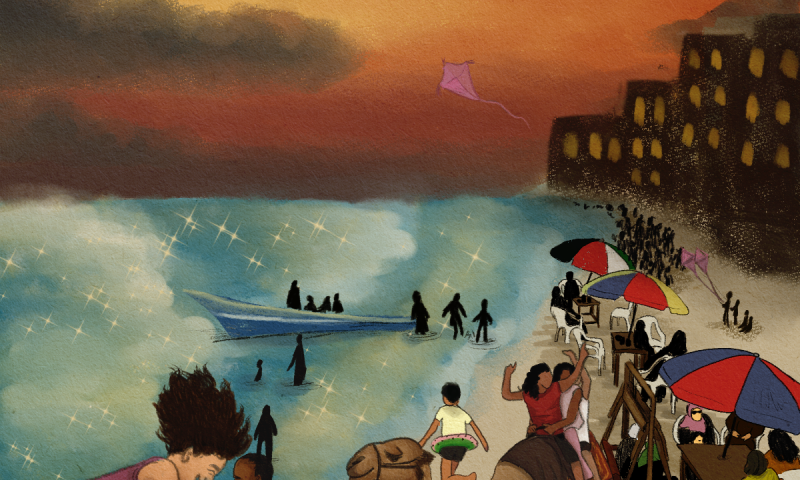
The Day Palestine Was Liberated
What will it feel like on the day Palestine is liberated? Our New Writing Prize judge for poetry this year, Mona Kareem, imagines the ecstatic, utopian feeling of experiencing Palestine's liberation at last. At once breathless, hysterical, and raw, the story is both speculative and fantastical, as well as an evocatively mapped future for Palestinian freedom. With an illustration by Simone Khanyi Hadebe.
SolidaritiesFiction
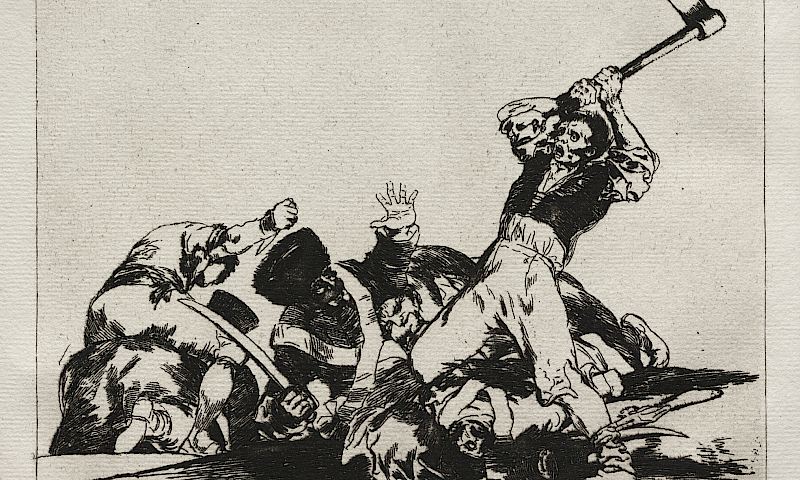
A Poetics of the Unbearable
Reflecting on the insufficiencies of public and media attention on what has been termed 'the forgotten war' in her home country Sudan, our International Writer in Residence Safia Elhillo examines how a poet can make themselves genuinely useful to a cause, developing a craft and poetics that is utilitarian and refuses the 'unbearable'. 'Pity', Elhillo argues, is simply 'not a productive, long-term strategy'; the work of 'doing language' requires solidarity that 'calls for imagination and improvisation.'
SolidaritiesNonfictionWriter in Residence
‘A Beginning of Love Stored in Time’: Abdelrahman ElGendy in Conversation with Fady Joudah
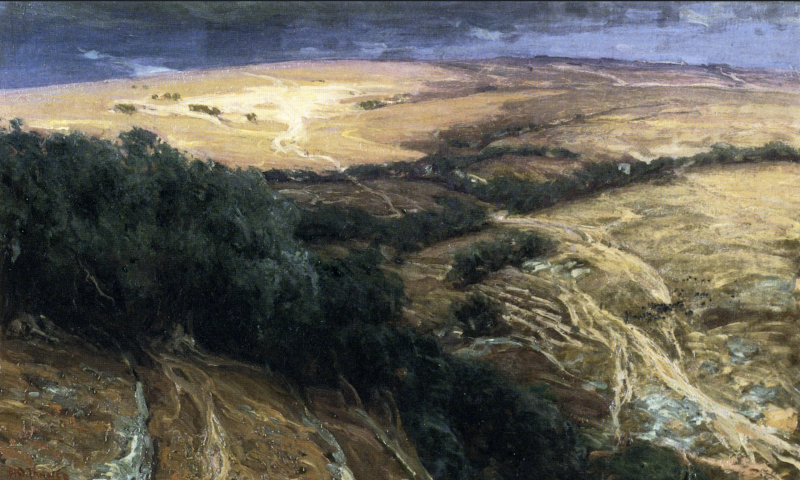
Upon the release of his seventh collection, Exhibit G, the prolific Palestinian American poet and translator Fady Joudah speaks to Egyptian author and translator Abdelrahman ElGendy – both longlisted for the National Book Awards this year – about the collection’s porous formal boundaries, the politics of the image in Gaza, practising versus performing solidarity, what it means to inherit land and language while both are in the midst of being incinerated, and much more in this rich, extensive interview.
SolidaritiesInterviews
More Grassroots and More Commonplace: Jay Bernard and Elaine Mitchener in Conversation
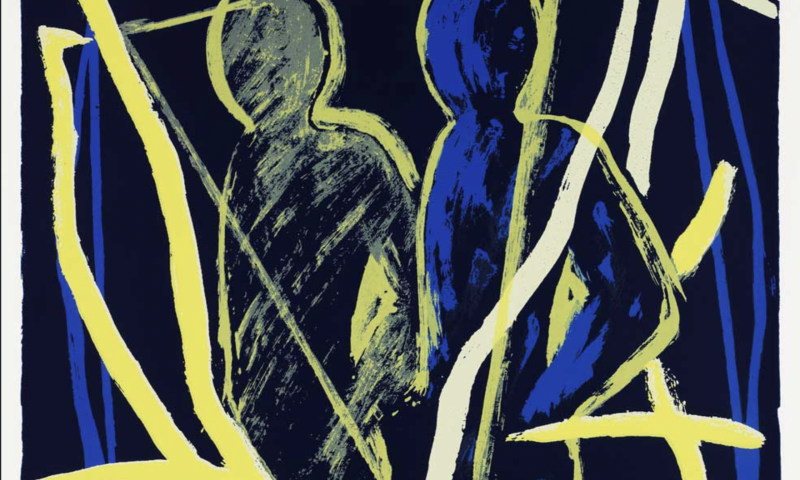
In December 2025, writer and artist Jay Bernard spoke to the experimental vocalist, composer, and movement artist Elaine Mitchener at the University of Cambridge, following a thirty-minute performance by Mitchener. Accompanied by an introductory note from Bernard, read their discussion on the multidisciplinary nature of Elaine's work, the evolution of grassroots activism, her influences ranging from Jamaican music to 1970s-80s American poetry and rap, sound and improvisation across music and poetics, the ubiquity of the 'archive', and much more. This piece is commissioned in tandem with Wasafiri 127: Solidarities.
SolidaritiesInterviews
A Time Like This: Photographing Solidarity Movements for Palestine in the UK
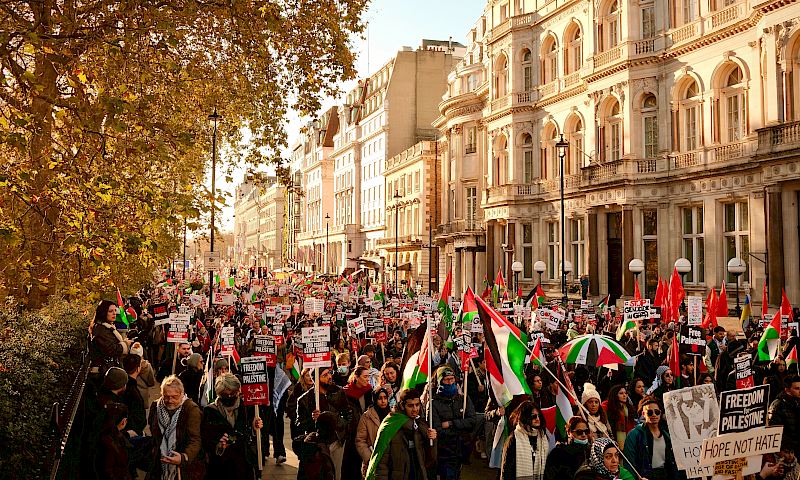
London-based photographer Zeashan Ashraf has been documenting the solidarity movement for Palestine since October 2023, photographing thousands of people across the UK who have come together, again and again, to reclaim public spaces and imperial sites in order to call for an end to the occupation and genocide in Palestine and the British government's involvement in it. In this photo essay, Ashraf shares images he has taken of various protest sites, encampments, and acts of solidarity across the country, while reflecting on his experiences of witnessing and recording these vital historical moments that are still underreported and maligned in mainstream media.
This piece is commissioned in tandem with Wasafiri 127: Solidarities.
SolidaritiesArt
Checkpoints Now, Borders Later? Revisiting Checkpoint Aesthetics in Palestinian Life Writing
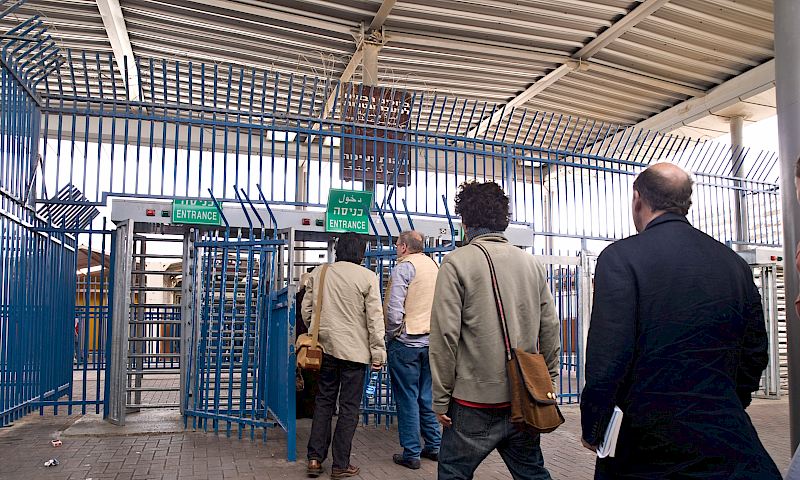
In this essay, Shatha Abd El Latif examines four works of Palestinian life writing: Suad Amiry’s Nothing to Lose but Your Life (2010), Raja Shehadeh’s Occupation Diaries (2013) and Palestinian Walks (2007), and Mourid Barghouti’s I Saw Ramallah (2000). Through her analysis of these texts between the diary and memoir forms, Abd El Latif argues that 'Palestinian life writing offers a critical archive through which the checkpoint can be understood not merely as a geographical site of restriction, but as a temporal and narrative structure that reorganises everyday experience.'
This piece is commissioned in tandem with Wasafiri 127: Solidarities.
NonfictionSolidaritiesAcademic

Three Poems by Suji Kwock Kim
There is a visceral quality to these three poems by writer and 2026 Guggenheim Fellow, Suji Kwock Kim. They can each be read separately but, together, the images build: dirt, loss, abandonment, poverty, parenting. This drawing together of themes across disparate works demonstrates Kwock Kim's extraordinary talent, particularly as 'Stones' and 'Self-Portrait' are, in fact, loose translations of works by two Korean poets, Hwang Donggyu and Seo Jeong-ju. Read as well an accompanying author's note on Kwock Kim's process.
PoetrySolidarities
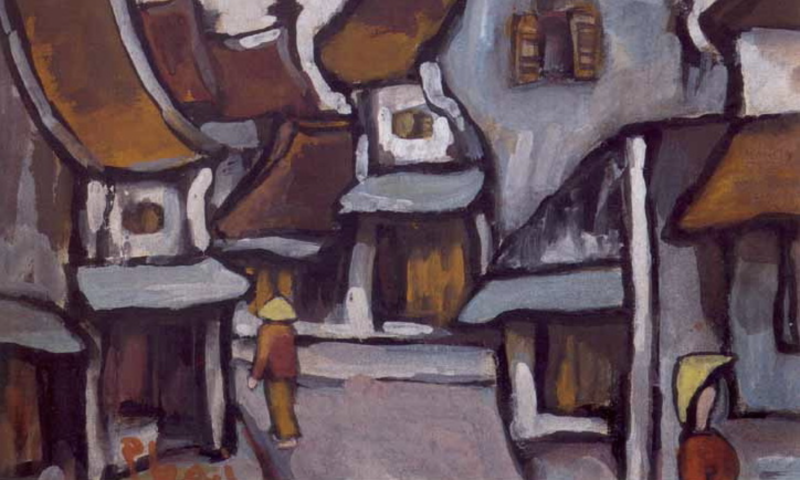
Vietnamese Literature and Translating for the Anglosphere: Nguyen Binh Phương’s 'The Young Die Old'
Weaving in conversations with Vietnamese author Nguyen Binh Phương and publisher Kim Tràn of Major Books, Laura O'Connor does a deep dive into Phương's novel Những đứa trẻ chết già, which has recently been released in English by Major Books as The Young Die Old, translated by Khai Q Nguyễn. O'Connor explores why it takes so long for major homegrown Vietnamese literary titles to reach the Anglosphere, the necessity of incorporating myths and traditions specific to Vietnam in storytelling, and wider orientalisation of Vietnamese-language literature in global publishing.
NonfictionSolidarities
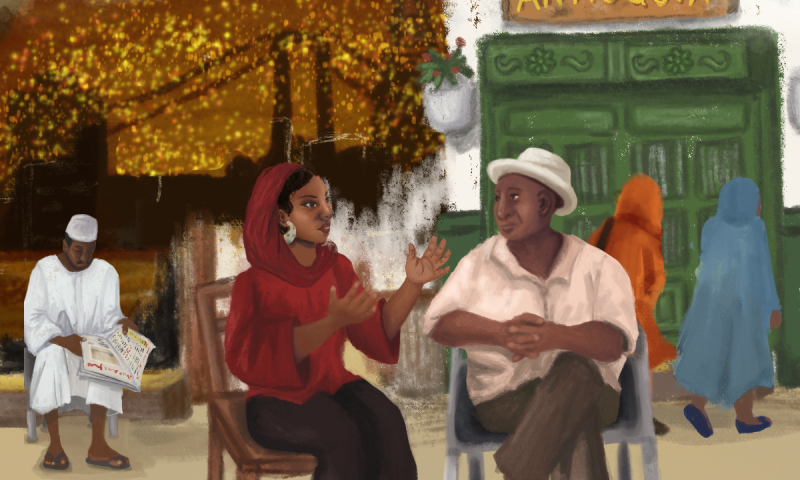
ANTIOQUIA by Safia Elhillo
In this sincere, vulnerable poem, Wasafiri's current International Writer in Residence Safia Elhillo describes a visit to Medellin, Colombia. She notes with wonder and softness how different memories come back to her – the feel of a mattress, the sound of a familiar Arabic – amid reflections on the different languages she carries. With an illustration by Simone Khanyi Hadebe.
SolidaritiesPoetry
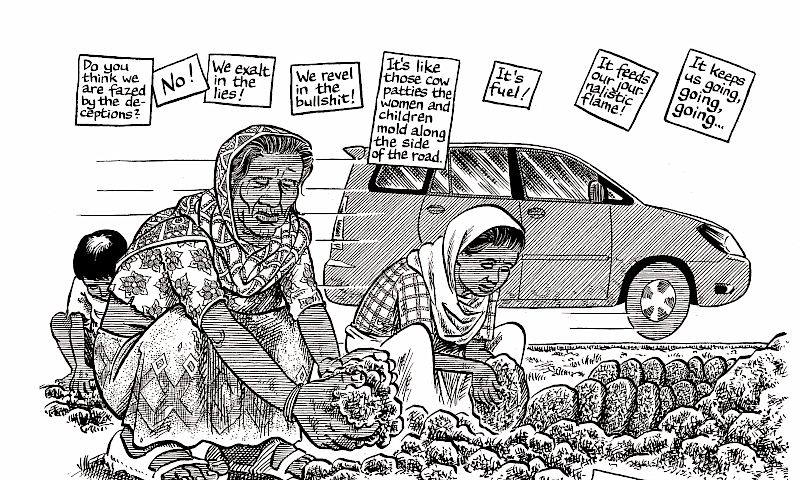
Sand Under the Foundation: A Conversation with Joe Sacco
In this incisive interview, Zena Agha speaks to one of the world's greatest cartoonists and journalists, Joe Sacco. They talk about his 2003 book, Palestine, in the context of the ongoing genocide, his most recent release, The Once and Future Riot (2025), which investigates the 2013 Muzaffarnagar communal riots in India, and other work from across his decades-long career. Speaking openly about his positionality and experiences as a journalist and outsider to regions he covers, Sacco opens up about the brutality he has witnessed firsthand, the loss of hope, US foreign policy, settler logic, journalistic ethics, and more, in a conversation at once deeply personal and sharply political. This is an extract from Wasafiri 127: Solidarities.
InterviewsSolidaritiesArt
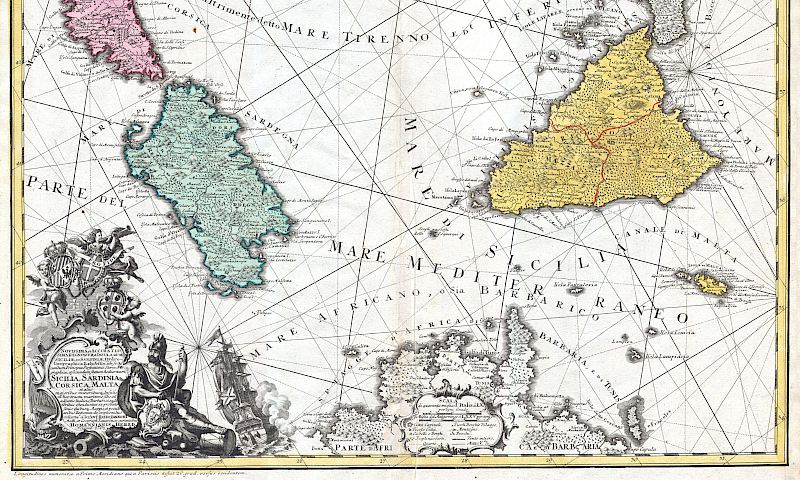
One Book Leads to Another: An Interview with Valeria Luiselli by Ingrid Rojas Contreras
The Pulitzer Prize finalist writer Ingrid Rojas Contreras speaks to the prolific Mexican author Valeria Luiselli about the 'gorgeous nesting dolls' of Luiselli's many works of fiction and nonfiction, particularly her latest book, Beginning Middle End (Fourth Estate, 2026). Their conversation bubbles and flows like lava from a volcano as they discuss the liminal space between languages, road trips, borderlands, mythologies, memory, and how we organise and structure narratives and time.
InterviewsSolidarities
Three Poems by Safa Khatib
In these three strikingly different poems, Safa Khatib plays with imagery to build pace and create a dark and troubling atmosphere. 'End of the Line' is anchored in the real world – with overheard conversations and overhead announcements on the train – but unease filters in through the cracks. Meanwhile, 'Trespass' and 'Al-Fatihah' address the reader directly while ghostly figures and ideas give the impression of something slipping beyond our grasp.
PoetrySolidarities

Gölgenâme by Mujja Alloba, trans. by Erkan Gürsel and Akış Ka
In this poem by Sudanese writer, doctor, and activist Mujja Alloba, a woman in exile seeks to forge both an individual and collective sense of power and revolution. It is presented here in the original Arabic as well as translations in Turkish and English by A.F, Erkan Gürsel, and Akış Ka. In a special introduction, Gürsel highlights the responsibility of translators not just to texts but also to the wider political conversations they engage in.
PoetrySolidarities
Lesbians ‘til the End of the World: The Importance of New Imaginations
Brazilian writer, translator, and literary scholar Natalia Borges Polesso discusses how the composition of gender-dissident, racialised, and/or sick characters in fiction come together to imagine possible ends of the world – and therefore possible new worlds – by breaking normative expectations. Polesso reflects on the narrative choices in her own books, as well as the wider political changes that have occurred in recent years in Brazil, particularly the Bolsonaro regime's crackdown on queer and other marginalised communities and ideas as 'deviant' and 'dangerous'.
AcademicNonfictionSolidarities
The Spirits of Shah Alam Camp by Asghar Wajahat, trans. by Aditya Vikram
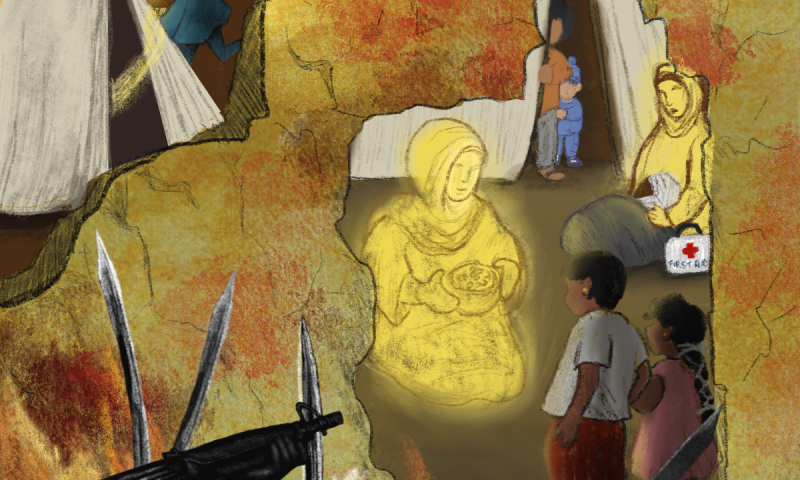
On whose face do the shadows of a divided history fall? This short story by Asghar Wajahat – translated from Hindi by Aditya Vikram – observes a refugee camp set up in the aftermath of the 2002 pogrom in Gujarat, India, haunted by the spirits of lost loved ones. Writing in an unabashedly Muslim voice, the story is narrated similarly to a dastaan, an oral form of Urdu storytelling from North India, and examines the psychic wounds of marginalisation based on faith, class, and gender pervading a rotting democracy. With an illustration by Simone Khanyi Hadebe.
SolidaritiesFiction
Three Poems by Dalia Taha, trans. by Sara Elkamel
Ramallah-based poet and playwright Dalia Taha offers three poems that bear close witness to the occupation and genocide in Palestine — 'The sound of trees and children riding bikes through the windows. / The towers they blasted.' Originally written in Arabic, these poems meditate on the intimacy of objects, faces, and daily scenes amid an atmosphere of loss, grief, and destruction. The text's spare, beautiful English translations are by Sara Elkamel.
SolidaritiesPoetry