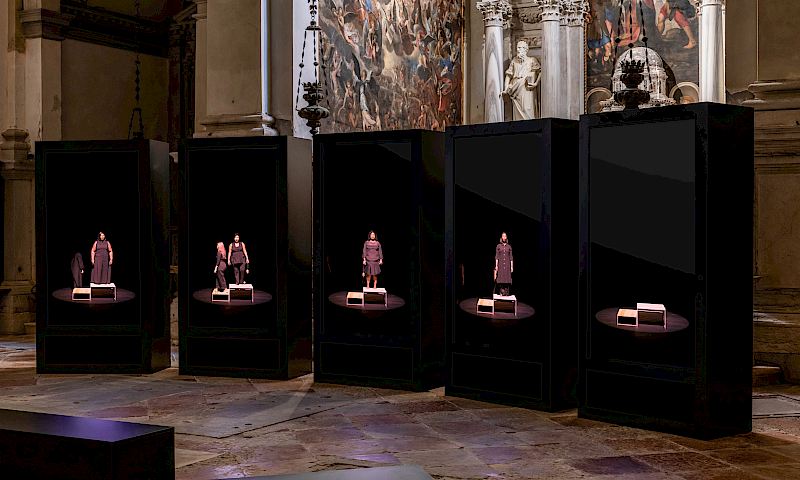
Witnessing Palestine: On Apartheid, Censorship, and the Counter-Archive
In this essay, Allison Young examines questions of archival assertion and absence in the art world following 7 October 2023, emphasising the importance of recording, witnessing, and testifying to an ongoing genocide that is simultaneously hypervisible and invisible: livestreamed from social media, yet just as quickly erased at an institutional level. She particularly engages with the work of artists Gabrielle Goliath, Nan Goldin, Mary Hazboun, Ahmed Hmeedat, and Emily Jacir, among others, while reflecting on her positionality as an American of South African and Jewish descent, as well as historic solidaristic action between the global South African and Palestinian anti-apartheid movements.
AcademicSolidaritiesArtNonfiction
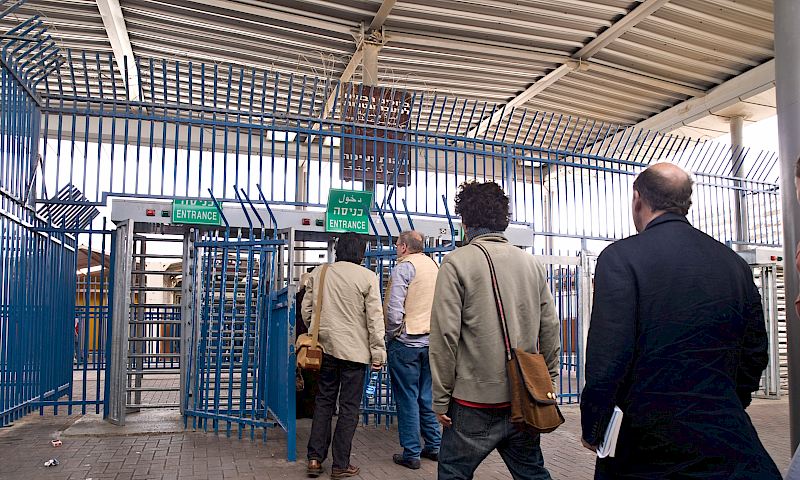
Checkpoints Now, Borders Later? Revisiting Checkpoint Aesthetics in Palestinian Life Writing
In this essay, Shatha Abd El Latif examines four works of Palestinian life writing: Suad Amiry’s Nothing to Lose but Your Life (2010), Raja Shehadeh’s Occupation Diaries (2013) and Palestinian Walks (2007), and Mourid Barghouti’s I Saw Ramallah (2000). Through her analysis of these texts between the diary and memoir forms, Abd El Latif argues that 'Palestinian life writing offers a critical archive through which the checkpoint can be understood not merely as a geographical site of restriction, but as a temporal and narrative structure that reorganises everyday experience.'
This piece is commissioned in tandem with Wasafiri 127: Solidarities.
NonfictionSolidaritiesAcademic
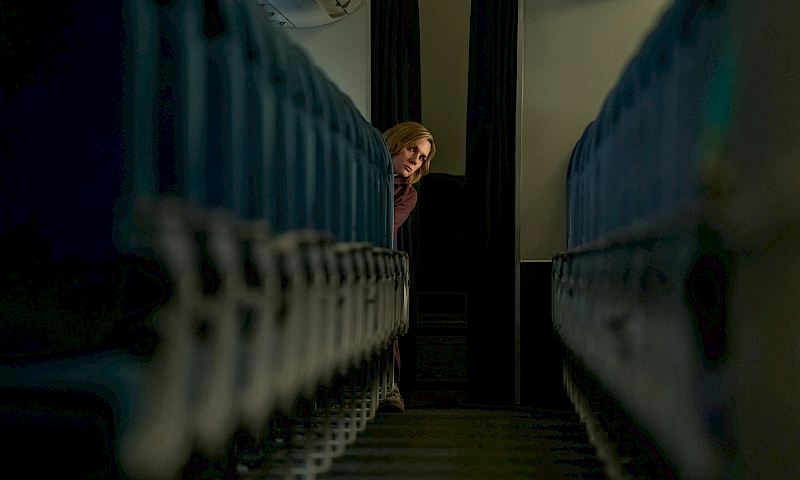
Lesbians ‘til the End of the World: The Importance of New Imaginations
Brazilian writer, translator, and literary scholar Natalia Borges Polesso discusses how the composition of gender-dissident, racialised, and/or sick characters in fiction come together to imagine possible ends of the world – and therefore possible new worlds – by breaking normative expectations. Polesso reflects on the narrative choices in her own books, as well as the wider political changes that have occurred in recent years in Brazil, particularly the Bolsonaro regime's crackdown on queer and other marginalised communities and ideas as 'deviant' and 'dangerous'.
AcademicNonfictionSolidarities

Centring Justice by Sunny Singh
In this exclusive extract from Wasafiri 121, Professor Sunny Singh speaks about her experiences in navigating three adjacent spaces in the literary industry: creative writing, pedagogy, and publishing.
ExtractAcademicNonfiction

Inside the Wasafiri Archive: A Journey into the Future
Last year, Angelique Golding – a PhD student working on the Wasafiri archives – shared an essay examining the illustrious forty-year history of Wasafiri. For her second installment, she revisits the archive to focus on the changing nature of archival materials and what we might gain – or lose – in transitioning from physical to digital.
Academic

Inside the Wasafiri Archive: A Little-Known History
Angelique Golding – a PhD student on the Wasafiri archives, based at Queen Mary University of London – leads us on an enlightening journey through Wasafiri’s history, trajectory, editorial strategy, and vision over forty years.
Academic