Witnessing Palestine: On Apartheid, Censorship, and the Counter-Archive
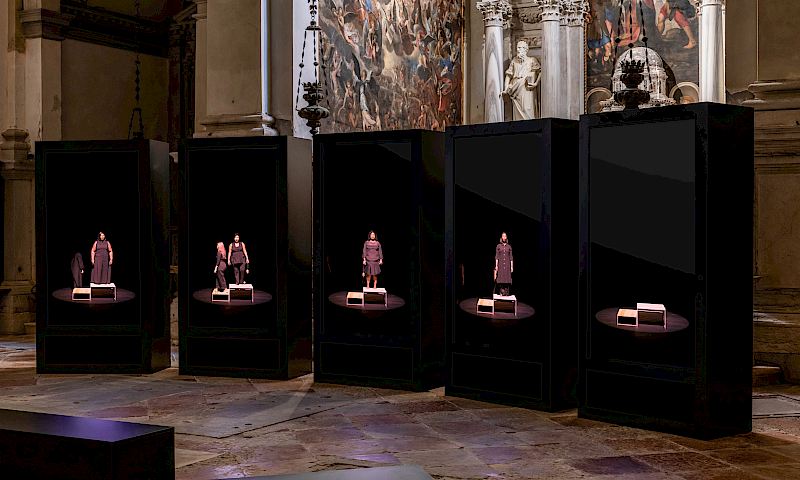
In this essay, Allison Young examines questions of archival assertion and absence in the art world following 7 October 2023, emphasising the importance of recording, witnessing, and testifying to an ongoing genocide that is simultaneously hypervisible and invisible: livestreamed from social media, yet just as quickly erased at an institutional level. She particularly engages with the work of artists Gabrielle Goliath, Nan Goldin, Mary Hazboun, Ahmed Hmeedat, and Emily Jacir, among others, while reflecting on her positionality as an American of South African and Jewish descent, as well as historic solidaristic action between the global South African and Palestinian anti-apartheid movements.
AcademicSolidaritiesArtNonfiction
Meditations: Sunnah Khan on The Hajar Book of Rage
Sunnah Khan weaves in her reading of Hajar Press' first anthology in their Elements series, Rage, with her conversations this summer with political prisoner Kamran Ahmed, who is one of the 'longest hunger strikers in UK history'. Ahmed's trial began in September 2026 alongside his fellow hunger strikers, Heba Muraisi and Qesser Zuhrah, and comrades Zahra Farooque, Moiz Ibrahim, and Liam Mullany from the Filton 25 (follow the case here). As Sunnah's fragmented text progresses, it often splinters and soars into poetry.
NonfictionMeditationsSolidarities
On Censorship, Resistance, and the Limits of Archiving Kurdish Literature
Founder of the experimental Kurdish literature publisher Henar Press, Aryan Omar Hassan, and researcher Hannah Fox are taking on the monumental task of building a database of Kurdish literature in English. Along the way, they have encountered difficulties of classification: where national borders become irrelevant, linguicide lingers, and the way writers identify themselves is complex and varied. In this essay, they outline how they approach building a robust archive and its importance, while wrestling with larger questions of responsibility, identity, and representation.
SolidaritiesNonfiction
A Poetics of the Unbearable
Reflecting on the insufficiencies of public and media attention on what has been termed 'the forgotten war' in her home country Sudan, our International Writer in Residence Safia Elhillo examines how a poet can make themselves genuinely useful to a cause, developing a craft and poetics that is utilitarian and refuses the 'unbearable'. 'Pity', Elhillo argues, is simply 'not a productive, long-term strategy'; the work of 'doing language' requires solidarity that 'calls for imagination and improvisation.'
SolidaritiesNonfictionWriter in Residence
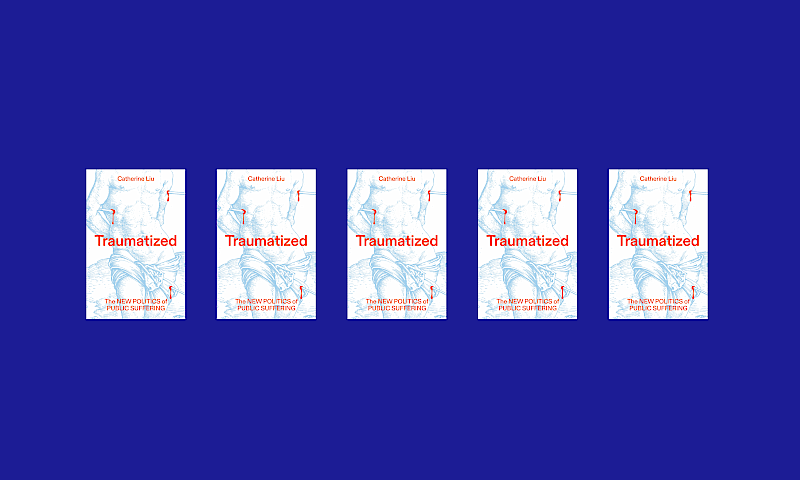
Extract — Traumatized: The New Politics of Public Suffering by Catherine Liu
Read an excerpt from Catherine Liu's forthcoming book Traumatized: The New Politics of Public Suffering, where she explores and challenges how trauma has become a weapon in the culture wars – amid the collapse of liberal politics, and the rise of emotional display as a surrogate for political action. Accompanied by a brief introductory note from Catherine, this extract – from the chapter 'Oprah or the Work of Trauma in the Age of Televisual Reproduction’ – analyses the career of media mogul Oprah Winfrey in light of the trauma script.
ExtractNonfiction
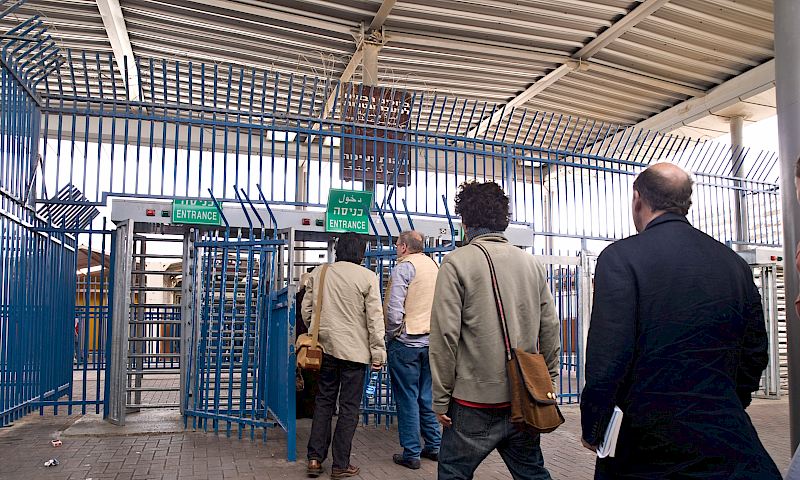
Checkpoints Now, Borders Later? Revisiting Checkpoint Aesthetics in Palestinian Life Writing
In this essay, Shatha Abd El Latif examines four works of Palestinian life writing: Suad Amiry’s Nothing to Lose but Your Life (2010), Raja Shehadeh’s Occupation Diaries (2013) and Palestinian Walks (2007), and Mourid Barghouti’s I Saw Ramallah (2000). Through her analysis of these texts between the diary and memoir forms, Abd El Latif argues that 'Palestinian life writing offers a critical archive through which the checkpoint can be understood not merely as a geographical site of restriction, but as a temporal and narrative structure that reorganises everyday experience.'
This piece is commissioned in tandem with Wasafiri 127: Solidarities.
NonfictionSolidaritiesAcademic
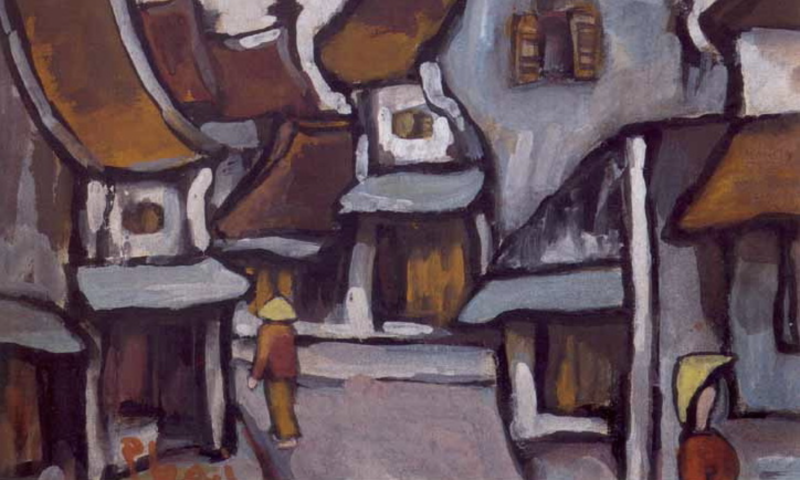
Vietnamese Literature and Translating for the Anglosphere: Nguyen Binh Phương’s 'The Young Die Old'
Weaving in conversations with Vietnamese author Nguyen Binh Phương and publisher Kim Tràn of Major Books, Laura O'Connor does a deep dive into Phương's novel Những đứa trẻ chết già, which has recently been released in English by Major Books as The Young Die Old, translated by Khai Q Nguyễn. O'Connor explores why it takes so long for major homegrown Vietnamese literary titles to reach the Anglosphere, the necessity of incorporating myths and traditions specific to Vietnam in storytelling, and wider orientalisation of Vietnamese-language literature in global publishing.
NonfictionSolidarities
Lesbians ‘til the End of the World: The Importance of New Imaginations
Brazilian writer, translator, and literary scholar Natalia Borges Polesso discusses how the composition of gender-dissident, racialised, and/or sick characters in fiction come together to imagine possible ends of the world – and therefore possible new worlds – by breaking normative expectations. Polesso reflects on the narrative choices in her own books, as well as the wider political changes that have occurred in recent years in Brazil, particularly the Bolsonaro regime's crackdown on queer and other marginalised communities and ideas as 'deviant' and 'dangerous'.
AcademicNonfictionSolidarities
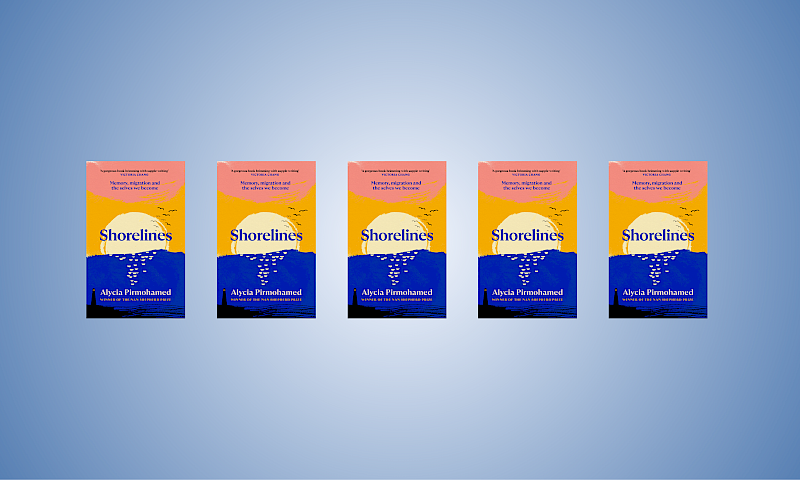
Extract: Shorelines by Alycia Pirmohamed
Read an extract from Shorelines: Memory, migration and the selves we become, the Nan Shepherd prize-winning debut nonfiction book by Alycia Pirmohamed. The Canadian-born, Scotland-based writer reconciles her identity and memories with those of her family across landscapes of place, faith, and community. Playing with the expectations of the nature writing and memoir forms, the immersive, lyrical narrative travels between the British Isles, East Africa, Midwestern Canada, and the Pacific Northwest, as well as Pirmohamed's home city of Edinburgh.
ExtractNonfiction
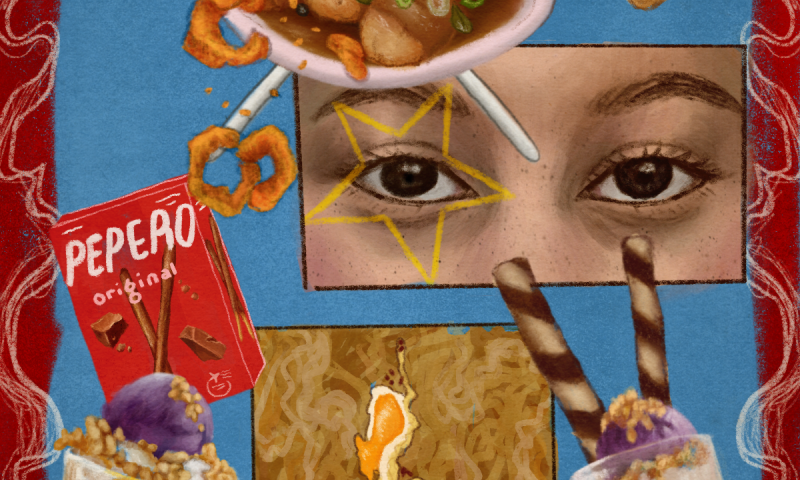
A Lone Hunger by Isabella Peralta
Isabella Peralta, who is part Filipino and Spanish, grew up in the Philippines on a former US naval base, consuming delightful varieties of Filipino foods and American media. In this evocative piece of life writing, she reminisces about her year working in Madrid, finding a sense of familiarity in instant ramen and an East Asian supermarket — a common, comforting presence for Asians living in global metropolitan cities. With an illustration by Simone Khanyi Hadebe.
Nonfiction
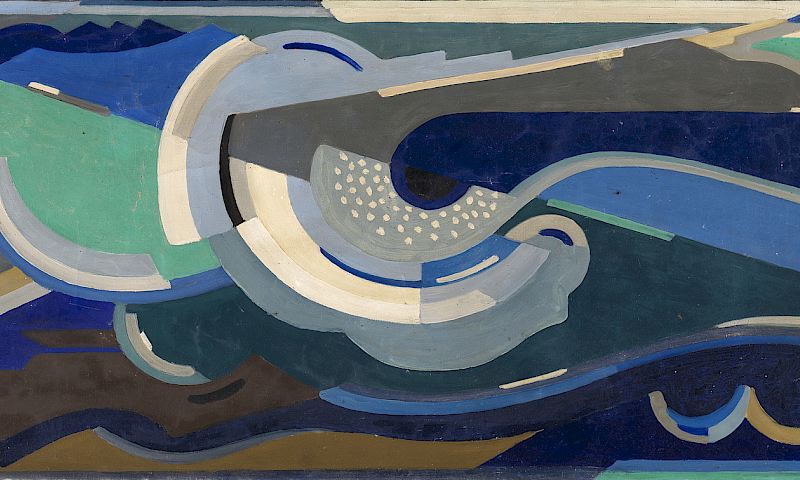
Against English: The Irish Poets Who Have Refused Translation
Irish translator and scholar Ellen Corbett explores how some Irish writers have resisted or deferred the translation of their work into English — given the minoritisation of the Irish language and its 'definitely endangered' status. Unpacking the tumultuous, colonial history between the two languages, Corbett examines the varying stances of non-compliance poets like Biddy Jenkinson and Louis de Paor have taken in the past. What does this mean for Irish writers and translators today, who must tussle between greater international recognition and market reach, and preservation and authenticity?
Nonfiction
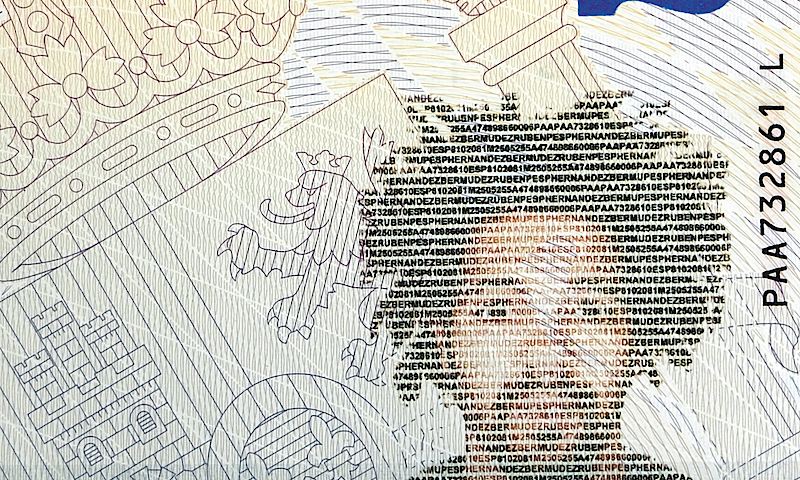
Mirarse Negro en España / To See Oneself Black in Spain: Memory, Archive, and Resistance in the Work of Rubén H Bermúdez
Dantaé Garee Elliott explores the work of visual artist and author Rubén H Bermúdez, specifically his photobook Y tú, ¿por qué eres negro? (And You, Why Are You Black?) and documentary, A todos nos gusta el plátano, which record self-representation of the Black diaspora in Spain — a country where whiteness is positioned as the norm.
This is an extract from Wasafiri 126: Impossible Returns — The Spain Issue.
ExtractNonfictionArt
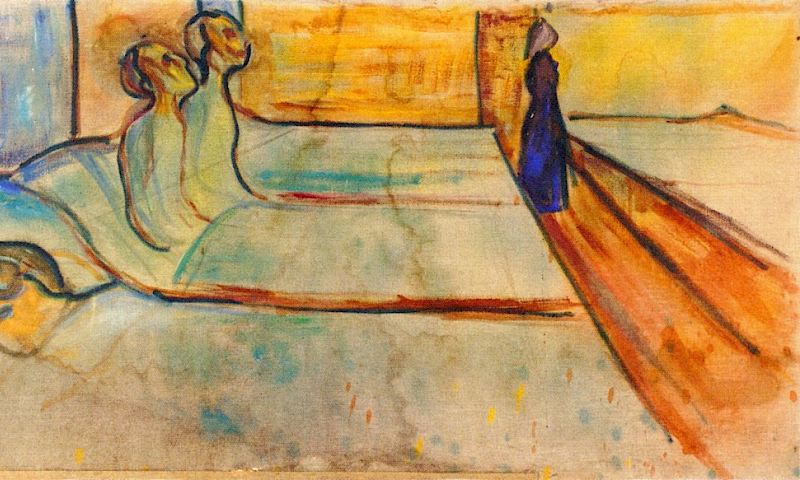
No Less Wonderful: Woman in Pursuit of Freedom by Mistale Taylor
In this vulnerable piece of life writing teeming with a distinct sense of voice, Mistale Taylor writes about her epilepsy and how each episode leaves her finding her way back to herself. Woven through past instances of her seizures are musings on the language, art, treatment, and wording around being an epileptic woman — 'for the past fourteen years, part of me has been trying to assign something meaningful to the condition.'
This piece was shortlisted for the 2025 Queen Mary Wasafiri New Writing Prize.
NonfictionNew Writing Prize
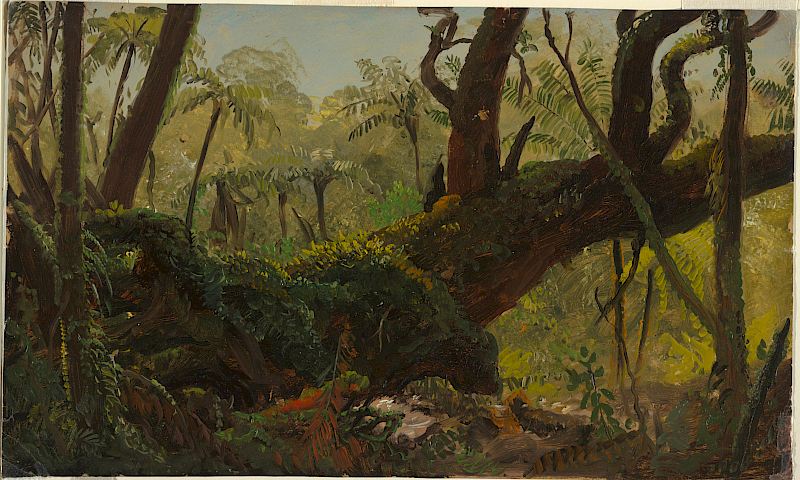
The Miseducation of a Nature Poet: Reclaiming Nature Poetry from the Margins
Our Writer in Residence Cara Thompson reflects on her position as a 'nature poet' in her journey to becoming Nottingham's inaugural Nature Poet Laureate. Pushing back against the bucolic, idealised, and privileged forms of nature writing she encountered in her schooling in the UK, she reclaims and redefines the genre on more inclusive terms.
NonfictionWriter in Residence
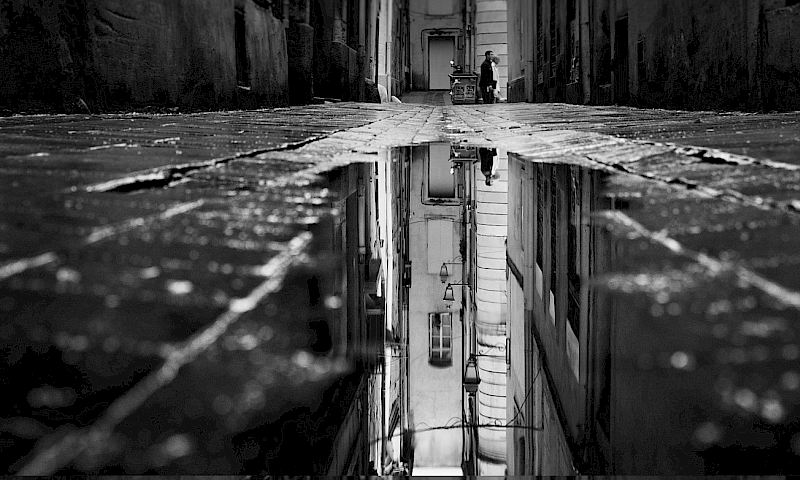
In Defence of Untranslatability by Deepa Bhasthi
In this essay, Deepa Bhasthi defends untranslatability – the intentional choice to not-translate text – as a necessary practice. As examples, she draws on Kannada words that feel too complex or hyperlocal to be translated into a single English word, as well as significant books she read during her time as our inaugural International Translator in Residence. Written by Jamil Jan Kochai, Waguih Ghali, and SJ Kim, these texts deliberately do not translate/transliterate certain words into English, and Bhasthi unpacks the aesthetic and political impacts of these choices.
NonfictionTranslator in ResidenceWriter in Residence
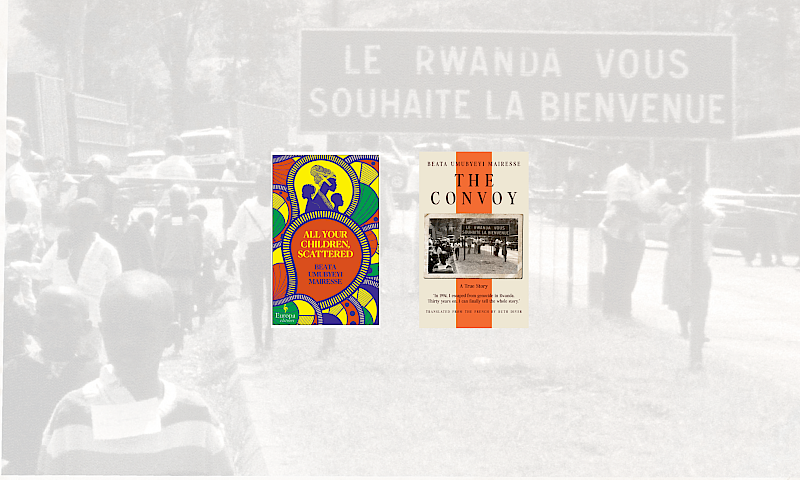
Finding Comfort in the Loneliness of Others: Beata Umubyeyi Mairesse and Reading Across Cultures
Beata Umubyeyi Mairesse is a prolific Rwandan writer critically acclaimed in the French-speaking world; her work significantly contributes to the literature on witnessing genocide in Rwanda and beyond. Here, she speaks with Zoë Norridge – Wasafiri Associate Editor and academic at King's College London – about her early reading influences in Rwanda and France, the role of writing today at a time of heightened conflict, and how she supports survivors of the 1994 genocide against the Tutsi to share and publish their stories. This conversation includes additional material from Beata and Zoë's original interview published in print in Wasafiri 125.
InterviewsNonfiction
Translating Caribbean Literature: A Homegoing by Anita Barton-Williams
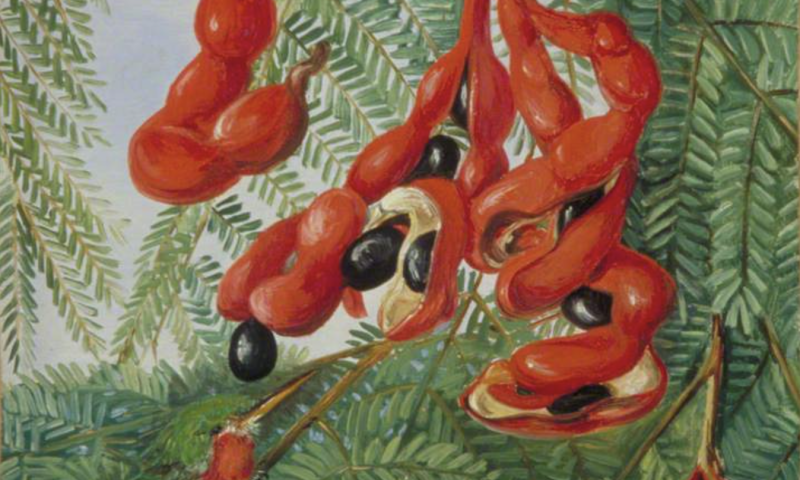
In this meticulously argued essay, Anita Barton-Williams dissects the reductive, extractive practices prevalent in the market for Caribbean literature, particularly what is lost or harmed when works are translated from Creole into Western colonial languages like French and English. She further explores how a translator may become a better 'bridge', espousing the possibilities for Creole-Creole translations as a way of strengthening Caribbean relationality and solidarity overall.
Nonfiction
The 2026 PEN Lecture: Peace by Max Porter
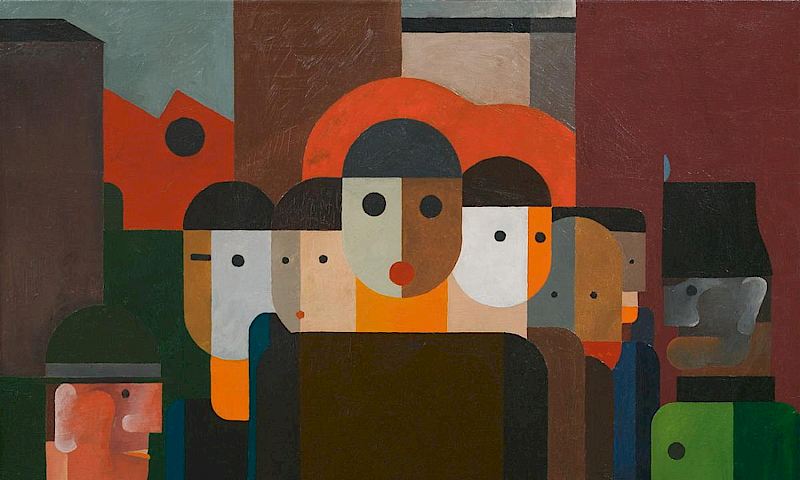
'What would a literary opposition to violence even sound like?' The 2026 PEN Lecture was delivered by the renowned English writer Max Porter on 29 April 2026. In a speech almost entirely framed as a series of questions, he urges us – particularly writers and literary practitioners – to genuinely reckon with our complacencies at a time of ongoing war and genocides stoked by heightened militarism, fascism, patriarchy, and technocapitalism. What does peace even mean in a world like this? What can it possibly look like, how can it come into being? 'Are we only allowed to dream of profit, victory, security, defence?'
Nonfiction
Designs for the Memory Palace: The Research Behind Life Writing
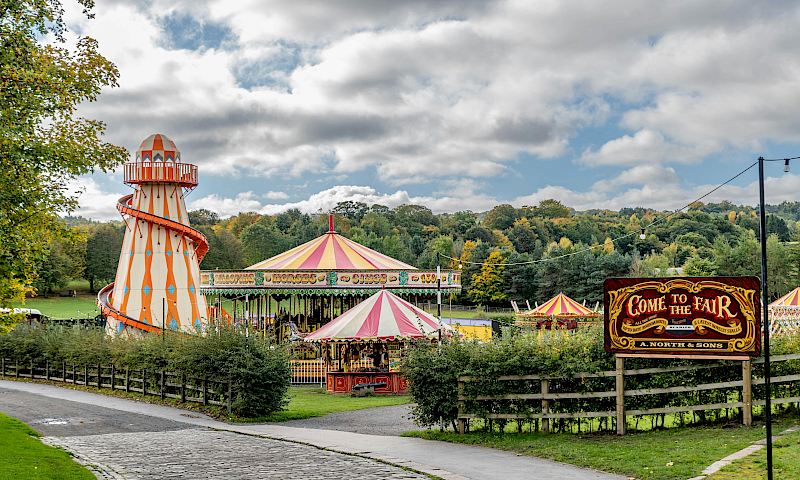
Jen Calleja is the Life Writing judge for the 2026 Queen Mary Wasafiri New Writing Prize. In this essay, she shares the inspiring roadmap that led to the creation of her memoir, Fair: The Life-Art of Translation, and the importance of embarking on a wide-ranging, deep, and unique research journey for creating your own work of life writing.
NonfictionNew Writing Prize
Extract — Black in Blues: How a Colour Tells the Story of My People by Imani Perry
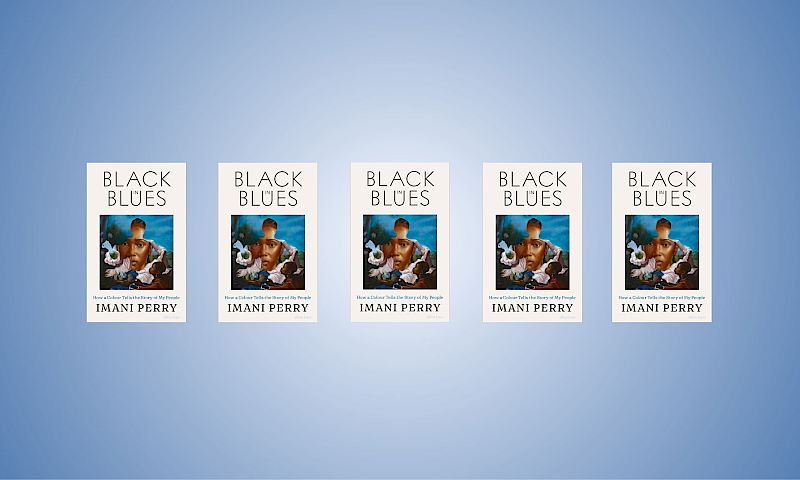
Read an extract from Imani Perry's Black in Blues: How a Colour Tells the Story of My People (Allen Lane, 2026). Drawing from her own experiences, global history, and encounters with music, literature, and art, Perry traces how Blackness and the colour blue have been entwined for centuries — from the West African dyed indigo cloths that were once traded for human life, to American blues music, to Toni Morrison's writing, and more.
NonfictionExtract

Songs of a Menoflân by Dani Salvadori
This life writing piece by Dani Salvadori is a work of prose-poetry about the 'menoflân' – an older, menopausal flâneuse – moving through a ceaseless, beating city such as London, where 'the grammar of the city is movement'. As she slips through various streets and situations, the menoflân asserts a profound understanding and possession of the place she is in.
This piece was shortlisted for the 2025 Queen Mary Wasafiri New Writing Prize.
NonfictionNew Writing Prize
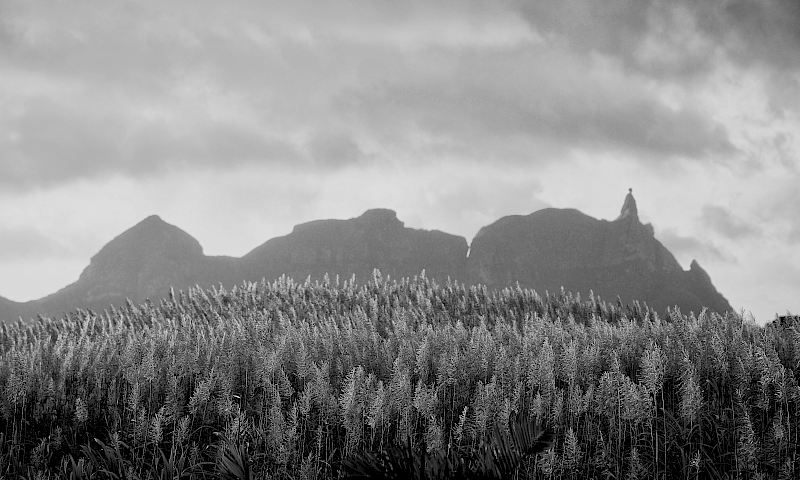
A Reckoning: Gender Violence in Mauritian Life and Literature by Ariel Saramandi
Ariel Saramandi explores and decries the patriarchal abuses of power behind the Mauritian literary scene, centring Nathacha Appanah's groundbreaking book, La nuit au cœur, and her and other Mauritian women writers' engagements with violence against women, confinement, and carcerality on the island. Where femicide and paedophila remain major issues for the country, Saramandi looks toward how effective feminist shifts can continue to take hold in the future.
Nonfiction
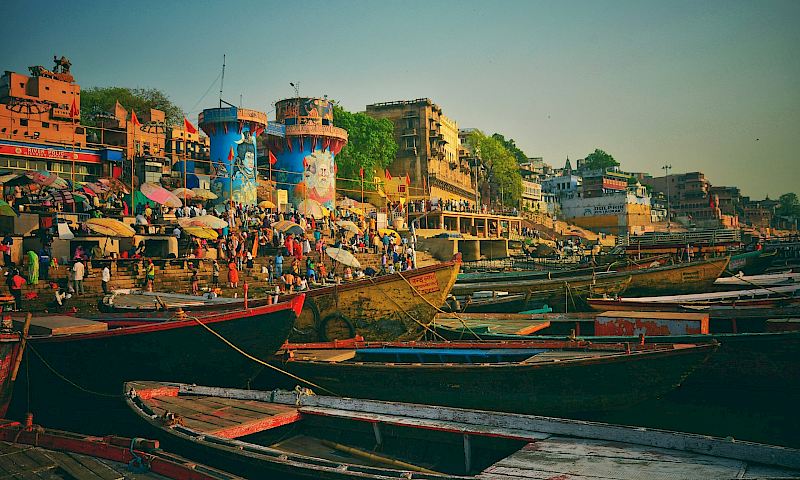
Tectonic Shifts: Writing the Indian Far Right by Anu Khosla
Amid rising fascism and anti-Muslim sentiment in India, this essay by Anu Khosla examines three recent books – Quarterlife by Devika Rege, Saraswati by Gurnaik Johal, and Zara Chowdhary's The Lucky Ones – and their depictions of the seeping, violent ideologies of Hindutva, or Hindu nationalism. This is an extract from our Spring 2026 issue, Wasafiri 125.
NonfictionExtract
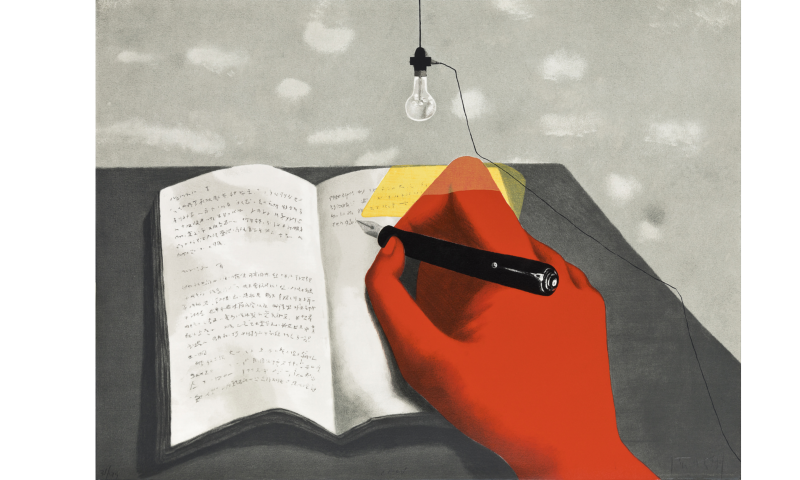
My Six Rules for Telling Global Majority Stories by Santanu Bhattacharya
Indian novelist Santanu Bhattacharya is the Fiction judge for the 2026 Queen Mary Wasafiri New Writing Prize. In this essay, he shares his guidance on staying true to the global majority story you want to tell, based off his own experiences and reflections as a published author in an industry that continues to greedily capitalise on 'diversity'.
NonfictionNew Writing Prize