Meet the 2025 Queen Mary Wasafiri New Writing Prize Winners
We are thrilled to announce the winners of the 2025 Queen Mary Wasafiri New Writing Prize in Poetry, Fiction, and Life Writing.
Open to writers from around the world who have yet to publish a full-length book, the prize awards a winner in each category with £1,000 and print publication. Additionally, all eligible shortlisted writers are offered mentoring opportunities in partnership with The Literary Consultancy. For the first time in its 16-year history, the Prize was open to writing in translation across all categories this year.
Prize Chair Romesh Gunesekera commented: ‘Two words sum up our winners: accomplished and assured. Our winners have all given us judges the thrill and pleasure that only good writing can give. These winning entries not only speak to the moment but will also remain relevant beyond the moment. They manage to balance the requirements of craft with political realities – be it in language, in history, or in our environment – and are both immediate and enduring. In addition to the winning entries, we have given a commendation to one entry in the life writing category which moved us and deserved special recognition. I believe the four pieces we have selected will shine a light for writers and readers wherever they are in these dark and troubled times.’
Introducing the Winners
Poetry
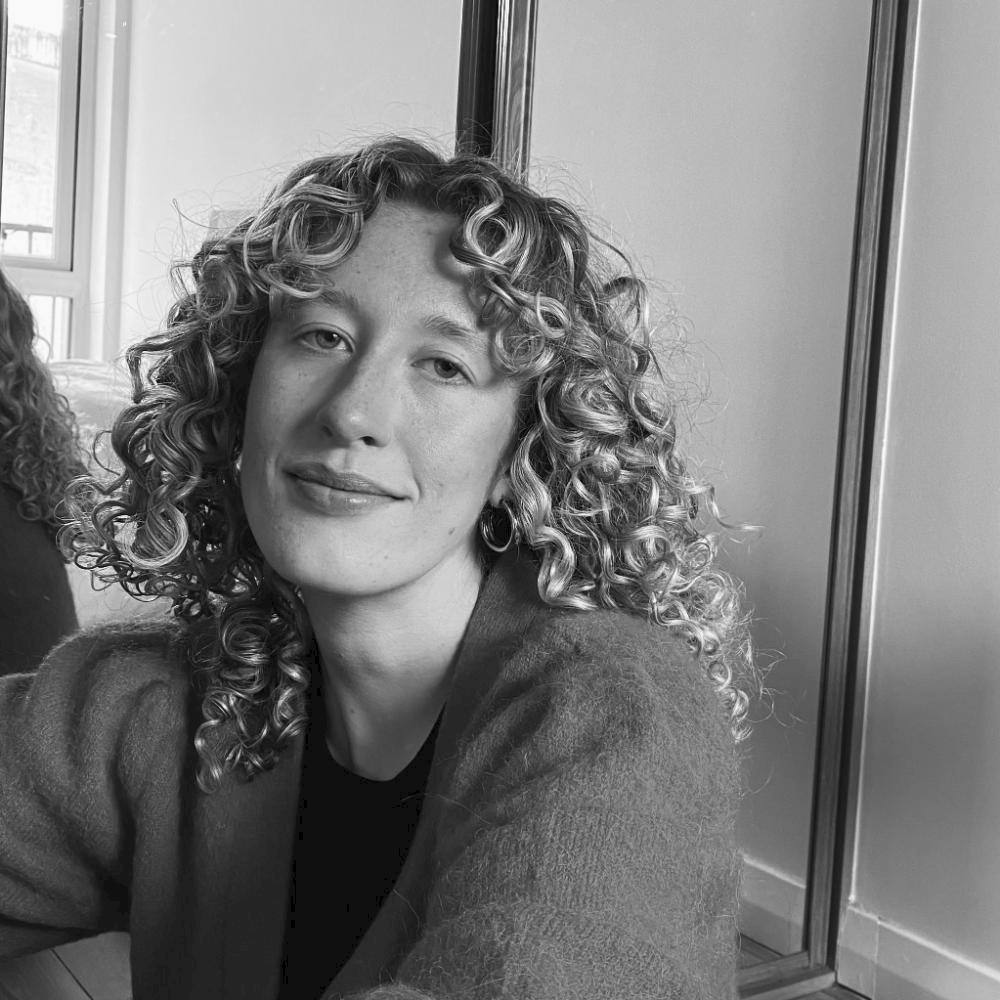
Flora Beagley for ‘Sutton Hoo’
‘I turn my face for the photo
and I know that we can smell
each other’s scalps. With love,
I think of how smells die. Cyning,
did you share a scalp
with your sibling, did you share
a thigh?’
2025 Poetry judge, Yasmine Seale, commented: ‘Flora Beagley’s poem “Sutton Hoo” performs a similar excavation to the one that pulled far-flung treasure out of the flatlands of East Anglia. Its ghostly voice reanimates a buried watery world of kinship across distance. It reminds us that English has always been made of immigrant languages, and that the further back you look into the history of these islands, what you find is not purity but strangeness and the trace of epic journeys. The final line – swuster, swuster, bróþor, bróþor – strikes me as the simplest, strongest, most haunting expression of our common humanity.’
Flora Beagley is a writer based in London. Her work resides in the greyness of poetry and prose, exploring intimate histories, materiality, and interwoven linguistics. She has been shortlisted by the National Poetry Society and Bridport Prize, with work published in Boulevard, The Belfast Review, and West Trade Review.
Fiction
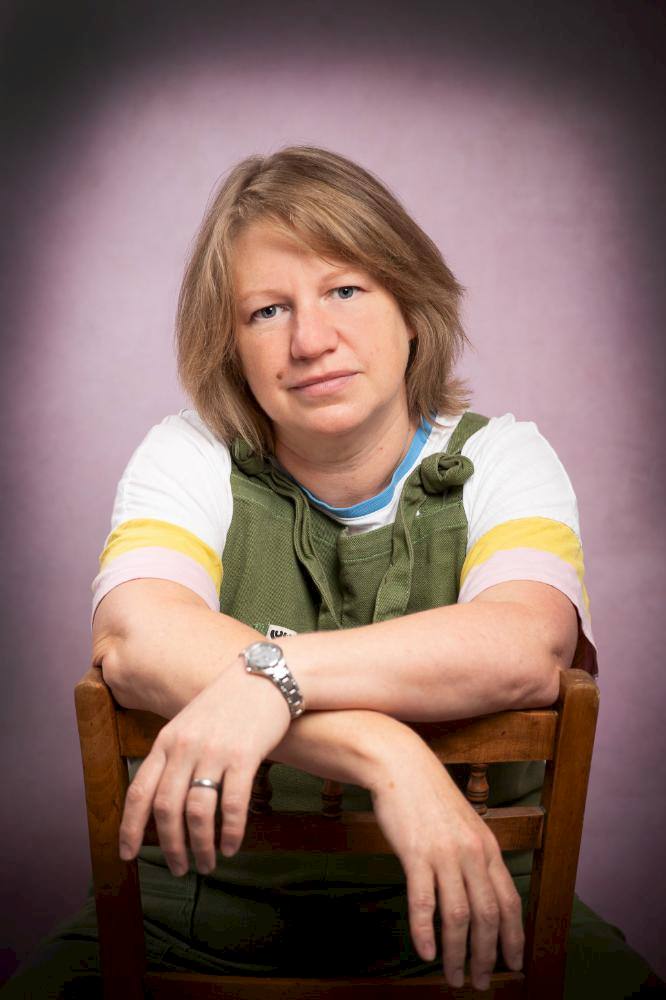
Jo Bardsley for ‘Iko of Benin, King’s Diver’
‘Even a small man in Benin smells better than the King of England. We met him on the beach on the first day of work on the Mary Rose. His guards pushed boatmen and beggars out of the way so six straining bearers could heave him down to the salvage barge. There was a breeze coming in from the Solent, so we didn’t smell him at first, but when we had finished bowing and Corsi was talking at him, the breeze died. I saw Kweku’s eyes bulge and felt my own stomach turn as it had on the ship.’
Fiction judge Anton Hur praised the story, and said: ‘Out of a crop of truly excellent, exciting, and innovative new writing, the jury chose “Iko of Benin, King’s Diver” by Jo Bardsley for its powerfully imagined characters, its dream-like metaphors, and for taking us to a time and place we had never imagined existed before. Congratulations, Jo, and thank you for the ride.’
Jo Bardsley is a queer teacher and writer. Born in Wales, they grew up in the Outback of Western Australia. Their creative work often explores marginalised experiences. Currently they live in Walthamstow, but they have taught literature around the world. They love swimming and traction engines.
Life Writing
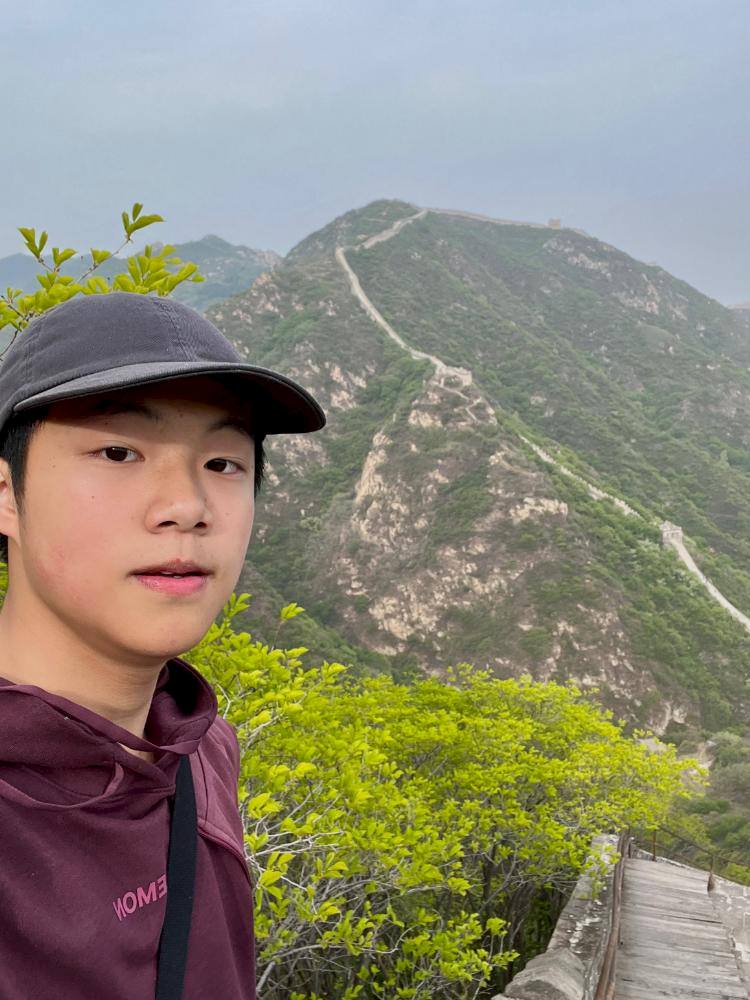
Luke Liu for ‘Chair Tombs on the Hill’
‘... he stood beside his father’s tomb, surveying it as though critiquing a show home. Ivory marble curved into place, dragons wound at its base, and stone lions glowed with polished eyes. He called it honour. I stared at those lions, thinking, how can grief gleam like pride? At twelve, maybe thirteen, I lacked the words, but sensed this was no mourning. It was more like a display.’
Noreen Masud, the judge for the Life Writing category, said: ‘Assured, surprising and original, this taut and understated piece looks sideways at tradition, honing in on small, sharp details which stayed with me long after reading.’
Luke Liu grew up in the villages of Wenzhou, a place where old customs still weigh heavily and the past presses close on everyday life. Later, he moved alone to Shanghai, carrying a scholarship and a suitcase into a world of restless streets and constant change. That leap etched a sharper awareness of culture into him, and he keeps it alive each day, savouring brief sparks of joy while holding on to traditions that endure.
Luke is the youngest-ever winner in the history of the Prize.
An additional entry was chosen as Highly Commended in the Life Writing category:
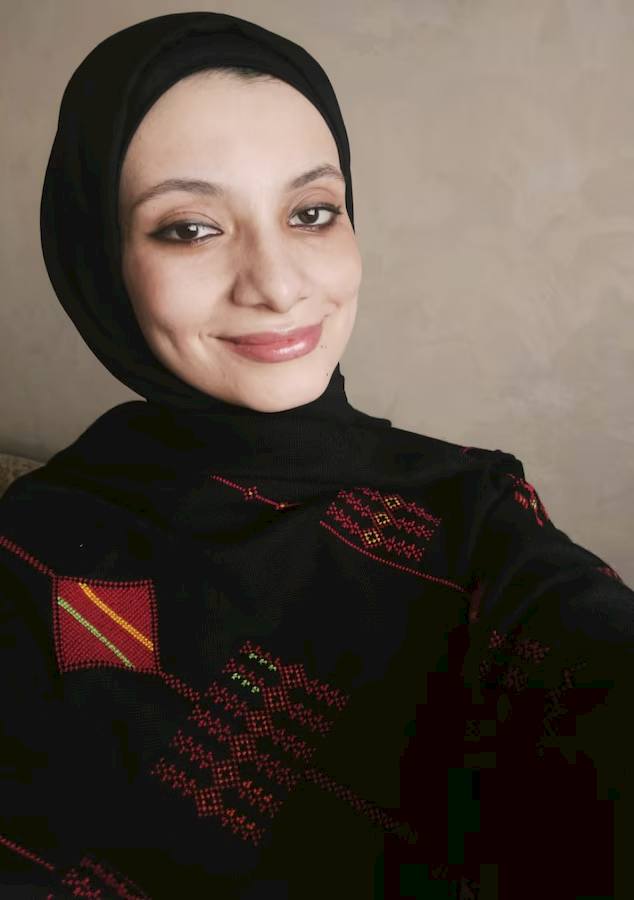
Malak N. Hijazi for ‘I Exist in Disappearance’
All winning pieces will be published in print in our spring 2026 issue, Wasafiri 125. The remaining shortlisted pieces will be published on the Wasafiri website over the coming months.
Subscribe to Wasafiri to be the first to read these pieces.
For press enquiries, or to interview our winning writers, contact Elizabeth Robertson at elizabeth.robertson@qmul.ac.uk
Header photo by Lika Watanabe on Unsplash
