
Ararat by Anna Davtyan
Read an excerpt from Wasafiri 120: Armenia(n)s – Elevation, translated from the Eastern Armenian by Hayk Hambartsum, and edited by Deanna Cachoian-Schanz. In this short story, Anna Davtyan explores the power dynamics between a female photographer and a young, male subject and, through this, studies the way we see ourselves – and others – in the world.
ExtractFiction

Evenings in Diaspora by Sylvia Alajaji
In this life writing excerpt from Wasafiri 120: Armenia(n)s – Elevation, Sylvia Alajaji explores the emotional, historical, and cultural nuances of Armenian diasporic existence, interweaving personal memories with collective ongoing struggles, and drawing on music as a medium of cultural preservation and identity.
ExtractNonfiction

Changing the Future: In Conversation with Kaliane Bradley and Anton Hur
In this exclusive extract from Wasafiri 119: Futurisms, our Associate Editor So Mayer interviews Kaliane Bradley and Anton Hur about their recently published debut novels. They discuss narration and translation, the climate crisis and the erotic, and much more.
InterviewsExtract

Un-imagining the University by Madhu Krishnan
In this excerpt from Wasafiri 119: Futurisms, Professor Madhu Krishnan details the current problems and precarities within our education systems, and how we might begin to de- and re-construct the idea of the University.
NonfictionExtract

Against the Death of Dream by Annie Zaidi
This extract from our autumn issue, Wasafiri 119: Futurisms, is an exploration of the synergy between writers and dreamers, and a deep dive into our dreams — both our ‘sleep-dreams’, and those that provide our vision for the future.
ExtractNonfiction

Once Upon A Time, Tomorrow by Hilal Chouman
In this exclusive extract from Wasafiri 118: Abolitions - Writing Against Abandonment, Hilal Chouman – translated by Caline Nasrallah – explores themes of memory, grief, and the passage of time through two people's relationship to each other — weaving together personal moments with broader, unexplained phenomena, and creating a sense of mystery and unresolved tension.
ExtractFiction
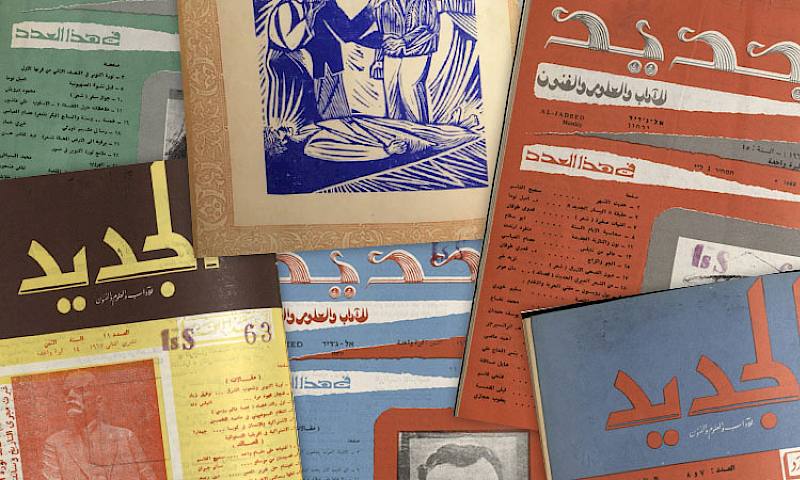
‘Periodicals Were the Beating Hearts of Global Movements’: An Interview with Revolutionary Papers
In this exclusive extract from Wasafiri 118: Abolitions - Writing Against Abandonment, Marral Shamshiri interviews Dr Mahvish Ahmad, Dr Koni Benson, and Dr Hana Morgenstern of the Revolutionary Papers, who discuss the importance of mobilising communities and connecting historical and contemporary radical archives to ongoing liberation struggles, all whilst looking at them through an anti-colonical lens.
ExtractInterviews

Exclusive Extract: The Prison As a Text by Layan Kayed, translated by Roba AlSalibi
Originally published in Wasafiri 118: Abolitions — Writing Against Abandonment, this piece of life writing, translated by Roba AlSalibi, powerfully deconstructs the themes of humanisation, freedom of Palestinian prisoners and people, and the abolition of prisons altogether.
NonfictionExtract
Letter from Kingston by Annie Paul
Annie Paul’s ‘Letter from Kingston’, published in our latest spring issue, Wasafiri 117: The State of the Industry, compares the global recognition of Jamaican writers and visual artists, highlighting the disparity in their success and the debates surrounding Jamaican writers and artists who choose to remain in the Caribbean versus those who emigrate, focusing on the complexities and nuances of this decision.
ExtractNonfiction

In Conversation with Margo Jefferson
In this wide-ranging and generous interview with Franklin Nelson – originally published in Wasafiri 117: The State of the Industry – Margo Jefferson discusses the critic at work and play. Read and download the interview in full on the Taylor & Francis website or order our Wasafiri 117 to read it in print.
InterviewsExtract

Exclusive Extract: Amma by Saraid de Silva
Wasafiri is proud to publish this exclusive extract of Amma by Saraid de Silva (Weatherglass Books, 4 April 2024), a gripping novel exploring family trauma, post-colonial displacement, and queerness.
ExtractFiction

Feedback & Complaints by Jen Calleja
Jen Calleja's satirical and razor-sharp lead feature, 'Custard Pies', published in our latest spring issue, Wasafiri 117: The State of the Industry, and featuring five pastel-coloured pies ('one for each heckle I've received at a panel discussion about literary translation'), dwells on the fallacies of an 'ideal translator' — including notions of fidelity, mentorship, and who has the right to translate. This short essay, similarly and characteristically spiky and acerbic, questions preconceived notions around the translator's role and work from a personal perspective.
ExtractNonfiction

Extract: Life in the UK by SJ Kim
This reflection on 'Life in the UK' by SJ Kim explores the profound through seemingly mundane moments, such as a family meal or meeting with an editor.
ExtractNonfiction

Mythorealism and Native Soil Writing in the International Perspective: An Interview with Yan Lianke
In this expansive interview, Haiyan Xie talks to multiple-award winning author Yan Lianke. Together, they explore how stories resonate across different sociopolitical boundaries and the ways in which authors are reconceptualising realism.
InterviewsExtract

‘The Gravity of Her Existence’: Madeleine Thien on Y-Dang Troeung
This beautiful, moving meditation on Y-Dang Troeung’s work was written and delivered by Madeleine Thien on the occasion of a celebration of life held at the University of British Columbia on 7 March 2023.
ExtractNonfiction
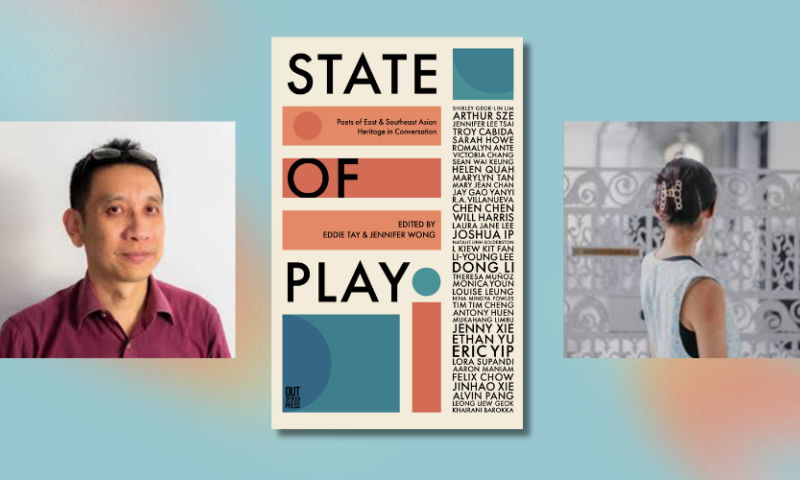
Not as a Noun but as a Verb: Alvin Pang and Laura Jane Lee on home
State of Play brings together conversations between an international line-up of poets, taking place over the course of a year. Edited by Eddie Tay, a Singapore-born, Hong Kong-based poet, and literature professor, and Jennifer Wong, a Hong Kong-born, British-based poet, and Wasafiri's former writer in residence, the anthology explores themes ranging from the sense of home and racialised expectations, community, and language. In this extract from their essay in the collection, Alvin Pang and Laura Jane Lee dwell on the 'unhomed world' and 'home-loose-ness', belonging, and nomadic beings.
ExtractNonfiction

Giant Flamingo Great For Pool Float by Laura Lynes
Navigating the bleakness of consumerism, capitalism, and the workplace with tart humour and a sharp eye, Laura Lynes' short story excavates the warm undersides of mundane tragedies, brimming with the possibilities of resilience, love, and poetry.
ExtractFiction

Photography, Poetry, and Polyphony: Postmemory of The Gwangju Massacre in Han Kang’s Human Acts
Originally a poet, South Korean writer Han Kang has 'interwoven her textual practices encompassing poetry, essay, and novels.' Her book Human Acts (translated by Deborah Smith), a provocative testimony of the Gwangju massacre and simultaneously a lyrical rumination on how to narrate the event, is the outcome of Han's project on state violence from Gwangju to Buenos Aires. This study by Heewon Chung seeks to read Human Acts as a literary product of the postmemory generation, arguing that the novel's aesthetic characteristics of intermediality, intertextuality, and polyphony should be considered in order to grasp the various types of trauma transmission in the text. Read the full article online or in the print issue of the magazine.
ExtractNonfiction

Death, Religion, and Motherhood: An Interview with Claudia Piñeiro
In this exclusive extract from Wasafiri 115, Silvia Rothlisberger speaks to the award-winning Argentinian author Claudia Piñeiro about the inspiration and inception of her 2021 novel, Elena Knows, which was shortlisted for the 2022 International Booker Prize. Their conversation explores Piñeiro's writing process and Latin American identity, and spans wider themes from her work, such as motherhood, living with illness, suicide, religion, and crime fiction.
ExtractInterviews

Hazel V Carby in Conversation: ‘You Cannot Accept Their Terms’
In this exclusive extract from Wasafiri 114: Windrush:
Extract

Making News: Notes on a Scandal by Gary Younge
In this exclusive extract from Wasafiri 114: Windrush:
NonfictionExtract
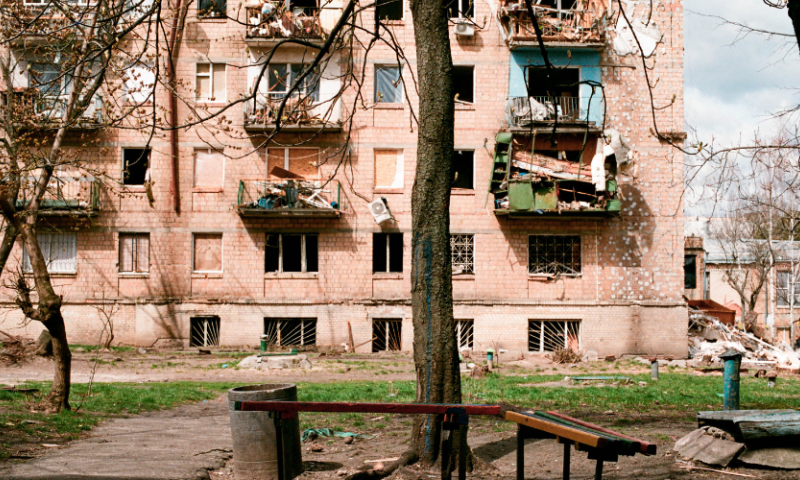
War and the Writer-Witness by Theodora Danek
We’re pleased to share an exclusive extract from '"An Act of Politicised Attention": War and the Writer-Witness', our review essay from Wasafiri 113. The essay features writing on three texts in translation – What Have You Left Behind? by Bushra al-Maqtari, translated by Sawad Hussain; Lucky Breaks by Yevgenia Belorusets, translated by Eugene Ostashevsky; and Five Days Untold by Badr Ahmad, translated by Christiaan James – where the writers write about war — 'a war that is not a memory, a war that is not seen from abroad, but war as it is felt daily'.
ExtractNonfiction

Writing with Others: In Conversation with Cristina Rivera Garza and Sarah Booker
We're pleased to share an exclusive extract from our interview with Cristina Rivera Garza and Sarah Booker, published in our latest issue, Wasafiri 113. In this conversation led and introduced by Sohini Basak, Rivera Garza talks about the power of poetry, the shared rootedness of reading…
Extract

Season by Rebecca Tamás
In this exclusive extract from 'Season' by Rebecca Tamás, a slow, moving meditation on ritual and the nonhuman life which opens our spring issue, Wasafiri 113, we see the seasons change – from spring to summer – during the early days of the pandemic.
ExtractNonfiction