Blue Longing: Four Poems by Irma Pineda, trans. by Wendy Call
Indigenous Mexican poet Irma Pineda writes both in Spanish and Didxazá, one of the variants in the Zapotec language family. Here, read four of her bilingual poems in Didxazá and Spanish from her 2020 collection, Nasía racaladxe' / Azul anhelo [Blue Longing], based on Pineda's interviews with women who were victims of domestic violence in her hometown Juchitán in Oaxaca, Mexico. The poems are presented first in Didxazá (also known as Isthmus Zapotec), then Spanish, followed by their English translation by Wendy Call. They are accompanied by an additional translator's note, reflecting on Pineda and Call's long-term collaboration.
Supported by a grant from the Open Society Foundations.
[Dxi guxhanabe naa]
Dxi guxhanabe naa
ne biiyabe naca’ gunaa
jñaa gula’qui’ la’ya’ Xilase
ne bicaabe deche’
guidubinaca yudé nayati
xti guirá ca gunaa ne rinni xtine’
[Cuando me arrojó de sus entrañas]
Cuando me arrojó de sus entrañas
y vio mi sexo
mi madre me nombró Xilase
y puso sobre mi espalda
todo el polvo de la melancolía
de todas las mujeres de mi sangre
[The day she pulled me from her womb]
The day she pulled me from her womb
and saw my sex
my mother named me Xilase
and sprinkled the melancholic dust
of all the women in my bloodline
down my back
***
[Ti gui’xhi’ guiichi cayale’lade’]
Ti gui’xhi’ guiichi cayale’lade’
xigui ca gunaa ca’ nanna ni
Guie’ na té cabiaa lu guidilade’
ne laaca rulue’ ti benda canazá
Nadaani’ guié lua culaahua ti nabana ro’
ne ruaa’ naaze ti diidxa’ manihuiini’
nuu guipapa zitu
Lade’ calase
Naquiiñe chi duunabe – ná ca binnigola –
Rini bigu
Bandaga tama
Nisa dxu’ni
Nisa xuba’
Alcanfor
Diidxa’ ndaaya’
Ruzeecabe lua’
Ne ti diidxa’ za’bi’
ni naaze dxiichi’ xquendanabane:
Xilase
[Un bosque de espinas me nace en el cuerpo]
Un bosque de espinas me nace en el cuerpo
las barbillas de las mujeres mayores lo constatan
Flores cenicientas se extienden en mi piel
y me hacen parecer un pescado que camina
Mis ojos ahogan una tristeza enorme
y mi boca sostiene una palabra pájaro
que quiere volar lejos de mí
Mi cuerpo adelgaza
Es necesaria una rameada – dicen las ancianas –
Sangre de parlama
Hojas de tamarindo
Alcohol
Agua de maíz
Alcanfor
Oraciones
Signos sobre mi rostro
Y una palabra suspendida
que sostiene
toda mi vida:
Melancolía
[A thicket of thorns springs from my skin]
A thicket of thorns springs from my skin
the rub of old women’s chins confirm it
Ashen flowers bloom on my skin
making me look reptilian
My eyes gulp sadness
my mouth traps a word-bird
that wants to fly far away
I grow thin
She needs a limpia – the old women say –
Sea turtle blood
Tamarind leaves
Alcohol
Bouillon of corn
Camphor
Incantations
Holy water bathing my face
One floating word
that encompasses my whole life:
Melancholia
***
Telayú
Biaani’ cayaca diti lu telayú
nga bezalube die’ sica tama
ca ni ruzaani naa
ndaani’ guixhe
Ne guirani nga xidxaa
ne sicarú
Ngue runi gunaxhiee gueela’
Cadi ti rase ne rinié’ xcaanda’
Tisi nuu xquendaruyadxibe luguia’ya’
Guca nanaladxe’ ridxi’
ti lu gubidxa ridiiñe bezalua’
ridaapaná’ lua’
rigaachi xa ludxe’ ti ridxi
ne xti bieque rusiaanda’ xiana
casi guibigueta telayú
Madrugadas
Luz titilante en la madrugada
eran sus ojos color tamarindo
que desde el vientre de la hamaca
me iluminaban
Y todo era ternura
y cosa linda
Por eso amaba las noches
No por dormir o soñar
Solo por esa mirada sobre mí
Le guardé rencor a los días
porque el sol era un golpe seco en mis ojos
un puño estrellándose en mi rostro
un grito escondido bajo la lengua
y de nuevo la ira olvidada
al volver la madrugada
Dawning
Shimmering light at dawn
your tamarind-coloured
eyes illuminating me
from the hammock’s belly
And all was warm
and tender
That’s why I loved the nights
Not for sleeping or dreaming
But to be woven in your gaze
I resented the days
For the sun’s dry slap on my eyes
a fist smashing my face
a scream under my tongue
And again that forgotten rage
when dawn breaks
***
La
Laabe ruyadxisibe ti miati’ ndaani’ yu’du’
ruguudibe labe ne ra zeedani
Ruzuluxabe ñandaca
pa jñaabe ne bixhozebe
nibeecabe laabe sti la
gadxé nuna nga niba’quica luguiabe
Xisi guca ni la ca
ya, nguiiu que guirasi dxi bichendani xa diagabe:
Magdalena la gunaa tutiicasi nga laa
Laabe qui ganabe pa carendabe guie
Ca diidxa’ ca nga nacaca’ nisa sidi
chahui chahui gudxiideca’
xa rii huiini xhiñá
ni guca’ ladxido’be dxiqué
El nombre
Ella contempla una imagen en la iglesia
maldice su nombre y su origen
Piensa que tal vez
de haberla llamado de otro modo
sus padres le hubiesen marcado
un sino diferente
Pero fue el nombre
Sí, él lo golpeó tantas veces junto a sus oídos:
Magdalena es el nombre de una cualquiera
Ella no siente ninguna piedra sobre el cuerpo
Son las palabras gotas de agua salina
que día tras día horadaron
el pequeño cántaro de barro rojo
que un día fue su corazón
A Name
She studies an image in the church
curses her name and origin
Thinks that perhaps
had she been given another name
her parents would have marked her
with a different destiny
But it was that name
Yes, the one that punched her ears so often:
Magdalena is a prostitute’s name
She didn’t feel a single stone hit her body
But the words like saltwater droplets
piercing over and over
the small red clay jug
that was once her heart
Translator’s Note
Indigenous Mexican poet Irma Pineda (Binnizá) is one of the foremost Indigenous-language poets of the Americas. She writes in Spanish and in Didxazá (Isthmus Zapotec), one of the variants in the Zapotec language family. The Zapotecs developed a glyph-based writing system more than two thousand years ago, which was lost long before colonisation, and is still being deciphered by scholars from ancient stone stelae. They are believed to be the first culture in the Americas to invent (rather than adopt) the technology of writing. Since the late 1800s, Zapotecs have used a transliterated Latinate alphabet to write their songs, stories, and poems, creating a large body of contemporary literature.
Despite its long literary history, only three Zapotec-language poets have had books published in English translation. Irma Pineda is the only one to have three books available in English (all in my translation).
When she was four years old, her own father was disappeared, presumably by Mexican government agents. That deep loss has marked both her creative and activist work. Assaults against Indigenous people – as well as resistance to these attacks – and gender-based violence are recurring themes in Pineda’s work. Her poetry is often rooted in the tradition of documentary poetics, giving voice to lived experience — in her community as well as in others. Pineda is an advocate and leader for Indigenous communities and for the families of disappeared persons.
Pineda and I have been collaborating to bring her poetry into English since 2007. Together, we have published three trilingual collections to date, placing her bilingual Didxazá and Spanish original texts alongside my translations. I have studied Didxazá formally for several years, and my reading knowledge of it allows me to translate from both source languages. When working on a translation, I usually begin with a draft translation in English, based on both original poems. I pay special attention to the differences between the Didxazá and Spanish versions of Pineda’s poems, seeking what I think of as the ‘ghost poem’ between these two versions — the gap that serves as a record of her choices, and her navigation of the space between two languages, two worldviews, and two histories. Once I have encountered that ghost poem in Pineda’s dual originals, I try to bring elements of all three – Didzaxá, Spanish, and ‘ghost’ – into English. I review, line by line, each draft translation with Pineda, who does not read English. In our conversations, she gives me a deeper sense of each poem’s cultural references and socio-historical context.
The poems published here are drawn from Pineda’s 2020 poetry collection, Nasiá racaladxe’ / Azul anhelo (Blue Longing), which contains 52 bilingual poems. Blue Longing is based on interviews she completed with women in her home city of Juchitán, Oaxaca, who had experienced domestic violence. In these poems, physical and intergenerational violence marks the lives of the poems’ (female) speakers. Some of the poems refer to xilasé or melancholia, an illness provoked by abuse, neglect, or fear. In the second poem – the one that begins ‘A thicket of thorns springs from my skin’ – melancholia manifests as spiny hives on a young girl’s skin.
The three trilingual books that Irma Pineda and I have published include a selection from her early works, which are largely autobiographical (In the Belly of Night and Other Poems), as well as two other books rooted in documentary poetics: Nostalgia Doesn’t Flow Away Like Riverwater (Deep Vellum) and Stolen Flower (Yale). It has been a joy to bring her work into English through our collaboration — one that I hope and expect to be lifelong.
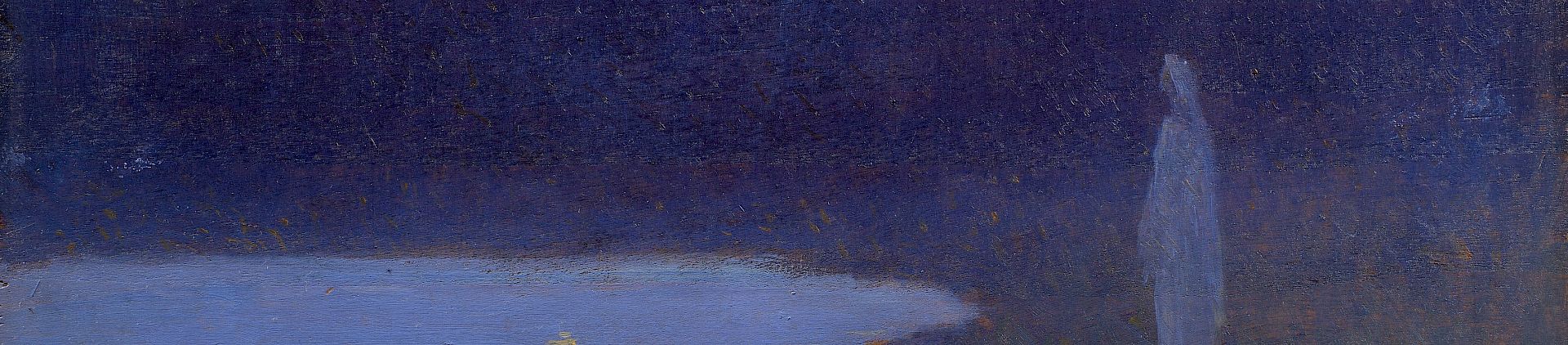
Cover image: Solitude by Alphonse Osbert


Edited by Marta Fernández Campa and María del Pilar Kaladeen, Wasafiri 126: Impossible Returns – The Spain Issue is a compilation of work by racialised Spanish writers and artists. The contributions, ranging from short stories, interviews, poems, critical essays and art, feature poignant and powerful pieces that ask questions about national memory, colonial history, nationality, and identity.
