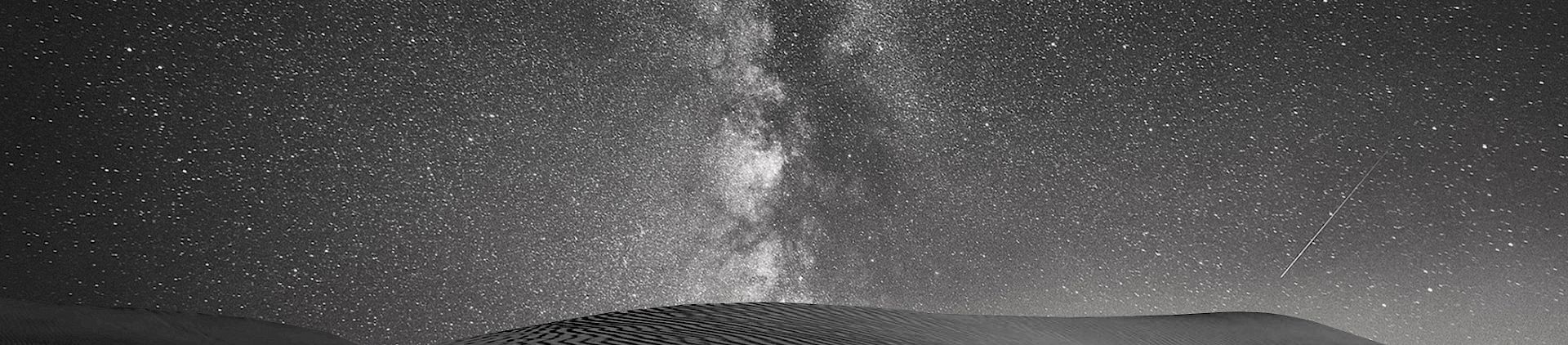
Gölgenâme by Mujja Alloba, trans. by Erkan Gürsel and Akış Ka
In this poem by Sudanese writer, doctor, and activist Mujja Alloba, a woman in exile seeks to forge both an individual and collective sense of power and revolution. It is presented here in the original Arabic as well as translations in Turkish and English by A.F, Erkan Gürsel, and Akış Ka. In a special introduction, Gürsel highlights the responsibility of translators not just to texts but also to the wider political conversations they engage in.
This piece is commissioned in tandem with Wasafiri 127: Solidarities.
Supported by a grant from the Open Society Foundations.
Translation is a powerful tool. It holds the potential to forge epistemic coalitions through semantic interventions, moving beyond the limitations of the colonial and monolingual. Yet if not undertaken with care, translation can easily flatten nuance in the effort to appropriate or universalise meaning. In such moments, silences risk being overwritten, as what once resisted understanding becomes forcibly constrained. Reflecting on her own translated works, Iraqi-Kurdish author and political dissident Haifa Zangana points to the possibilities of collaborative translation as a means of revisiting – and even re-understanding – one’s past.
Following this, we take collaborative translation as an act of solidarity: a negotiation of meaning across language, geography, and form.
What follows is a poetic testimonial by Mujja Alloba, a Sudanese doctor, writer, academic, and activist, now based in Canada, drawn from her experiences of exile in Türkiye.
Originally written in Arabic and translated into Turkish and English, Alloba’s poetry moves carefully between languages in a way that honours both the texture and intention of her words. As xenophobic violence and embedded anti-refugee sentiment only increase in Türkiye, we, the translators, believe it is our ethical and political responsibility to demonstrate our solidarity for our stateless siblings in the country, opening space for readers to encounter the fissures, hinges, and intersections of language that can aptly dwell in the places and experiences wherewith meaning itself is not fully contained.
by Erkan Gürsel
'Gölgenâme'
Woman of Shadow. I am
every girl who crossed the
desolate desert alone, and
carried the night like a
handbag
I am the shadow of a
woman who laughed the
day they condemned her
to oblivion!
I am a shadow,
but shadows also speak,
and write their revolution
on the ground.
When words became
scarce in Arabic, Turkish
and English, I raised my
head to the sky, and I
said:
oh mountains of Al-faw
Teach me the language of
the ether! To write
this name with it! Then a
new star lit up in my
chest, and I named it
Mujja.
Gölgenin Kadını. Issız
çölü yalnız geçen, geceyi
el çantası gibi omzunda
taşıyan her kızım ben.
Bir kadının gölgesiyim,
bir zamanlar gülümseyen,
unutulmaya mahkûm
edilen!
Gölgeyim,
fakat gölgeler de konuşur,
yazar devrimini toprağa.
Ne zaman kelimeler
daraldı Arapça, Türkçe,
İngilizcede, kaldırdım
başımı göğe ve dedim:
O Sudan’ın yıldızları, O
al-Qaw dağları,
Etherium’un dilini bana
öğret ki, yıldızımın ismini
onunla yazabileyim!
Göğsümde yeni bir yıldız
parladı, adını Mujja
koydum.
.سيدة ظل
أنا كل فتاة عبرت
الصحراء الموحشة وحدها
.وحملت الليل كأنه حقيبة يد
أنا ظل امرأة ضحكت يوم
!حكموا عليها بالنسيان
أنا ظل
لكن الظلال أيضاً تتحدث
.وتكتب ثورتها على الأرض
حين ضاق الكلام بالعربية
،والتركية والإنجليزية
رفعت رأسي إلى السماء
:قلت
يا نجوم السودان، يا جبال الفاو
!علميني لغة لا تُتَرجَم
!لأكتب بها هذا الإسم
فأضاءت في صدري نجمة جديدة
.وسميتها مجه
Originally written in
Arabic by Mujja Alloba.
Translated into English by
A.F & Erkan Gürsel.
Translated into Turkish by
Erkan Gürsel & Akış Ka.
Cover image: Wikimedia Commons


