
Lesbians ‘til the End of the World: The Importance of New Imaginations
Brazilian writer, translator, and literary scholar Natalia Borges Polesso discusses how the composition of gender-dissident, racialised, and/or sick characters in fiction come together to imagine possible ends of the world – and therefore possible new worlds – by breaking normative expectations. Polesso reflects on the narrative choices in her own books, as well as the wider political changes that have occurred in recent years in Brazil, particularly the Bolsonaro regime's crackdown on queer and other marginalised communities and ideas as 'deviant' and 'dangerous'.
AcademicNonfictionSolidarities
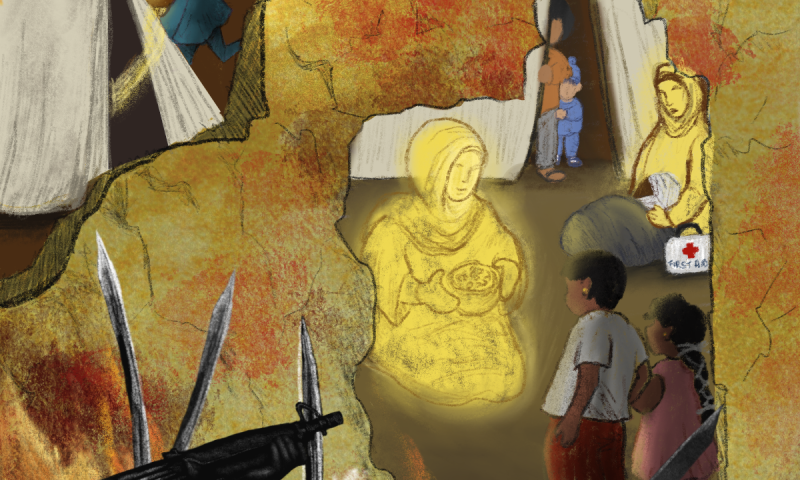
The Spirits of Shah Alam Camp by Asghar Wajahat, trans. by Aditya Vikram
On whose face do the shadows of a divided history fall? This short story by Asghar Wajahat – translated from Hindi by Aditya Vikram – observes a refugee camp set up in the aftermath of the 2002 pogrom in Gujarat, India, haunted by the spirits of lost loved ones. Writing in an unabashedly Muslim voice, the story is narrated similarly to a dastaan, an oral form of Urdu storytelling from North India, and examines the psychic wounds of marginalisation based on faith, class, and gender pervading a rotting democracy. With an illustration by Simone Khanyi Hadebe.
SolidaritiesFiction
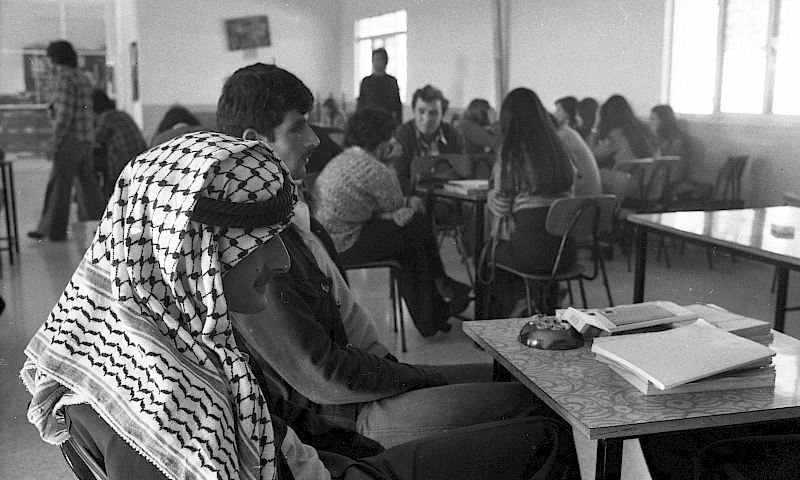
Three Poems by Dalia Taha, trans. by Sara Elkamel
Ramallah-based poet and playwright Dalia Taha offers three poems that bear close witness to the occupation and genocide in Palestine — 'The sound of trees and children riding bikes through the windows. / The towers they blasted.' Originally written in Arabic, these poems meditate on the intimacy of objects, faces, and daily scenes amid an atmosphere of loss, grief, and destruction. The text's spare, beautiful English translations are by Sara Elkamel.
SolidaritiesPoetry