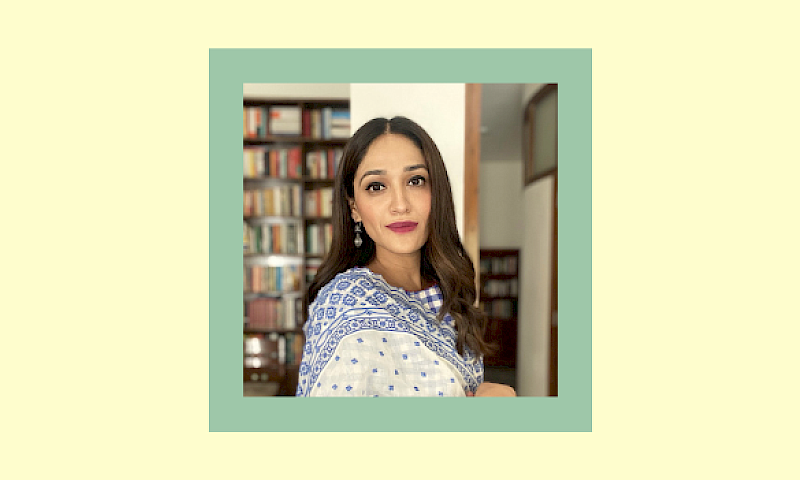
The Small h history of Life by Aanchal Malhotra
In this exclusive piece, Aanchal Malhotra, Life Writing judge for the 2023 Queen Mary Wasafiri New Writing Prize, looks to her own work on archiving and making alive again the memories and histories of Partition, dwells on her recent foray into fiction following years of writing non-fiction…
New Writing PrizeNonfiction

On Guest-Editing Reimagining Education: Angelique Golding
Ahead of our free online event on 25 April – Education: Reimagination, Decolonisation, and Change – we spoke to co-guest-editor Angelique Golding about curating, commissioning, and editing Wasafiri 112: Reimagining Education. Our winter 2022 special issue, Reimagining Education considers what education means within and beyond the classroom, investigating government intervention and the reclamation and exploration of decolonisation, and addressing the forces of change and continuity in Britain today. Golding talks, among other things, about her hopes for the kinds of conversations this issue will provoke.
Interviews

Jummah by Sanah Ahsan
Wasafiri is pleased to publish the pieces shortlisted for the 2022 Queen Mary Wasafiri New Writing Prize. The poems, essays, and short stories in this series showcase the best new writing from the best new writers across the globe – in all their diversity and complexity.
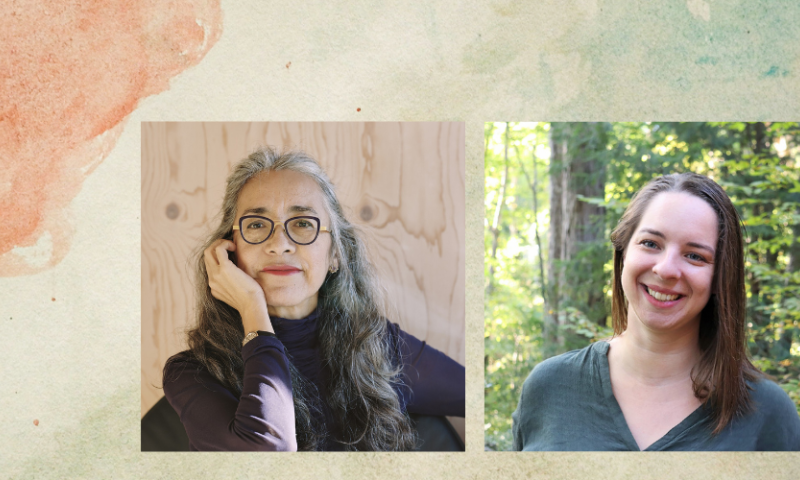
Writing with Others: In Conversation with Cristina Rivera Garza and Sarah Booker
We're pleased to share an exclusive extract from our interview with Cristina Rivera Garza and Sarah Booker, published in our latest issue, Wasafiri 113. In this conversation led and introduced by Sohini Basak, Rivera Garza talks about the power of poetry, the shared rootedness of reading…
Extract

Writing Myself Down: The Language of Autofiction by Durre Shahwar
In this profound essay in fragments, Wasafiri's Writer-in-Residence Durre Shahwar explores the slipperiness of language, and the 'missed connections within or due to language'; learning Urdu, and how the 'hand movement of writing Urdu is akin to drawing'; and translation:
Writer in ResidenceNonfiction
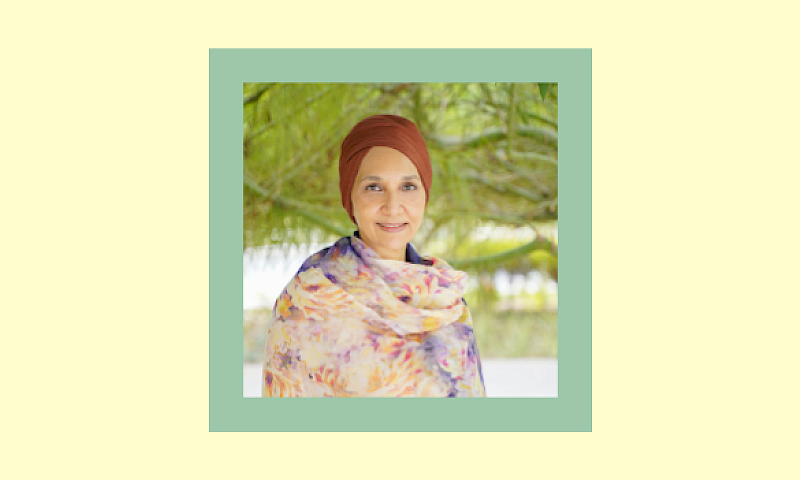
The Intrigue of the Image by Leila Aboulela
In this exclusive piece, Leila Aboulela, Fiction judge for the 2023 Queen Mary Wasafiri New Writing Prize, looks back to the beginning of her writing life – including her long relationship and publication history with Wasafiri – and considers the intrigue of the lingering image, offering writing advice to potential prize entrants.
New Writing PrizeNonfiction

Vecchia Bambina by Jailan Zayan
Wasafiri is pleased to publish the pieces shortlisted for the 2022 Queen Mary Wasafiri New Writing Prize. The poems, essays and short stories in this series showcase the best new writing from the best new writers across the globe — in all their diversity and complexity.
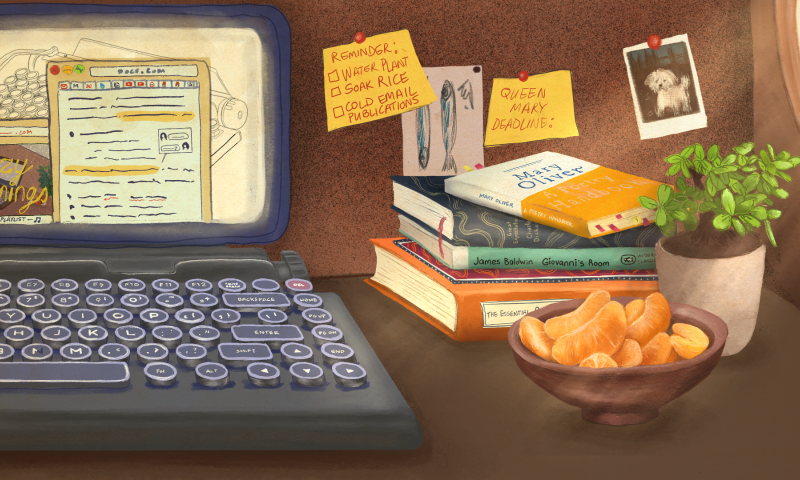
Wasafiri Wonders: Rachel Bolle-Debessay
Ever wondered what your favourite writer’s first drafts look like? Or which book they love that nobody’s heard of? Wasafiri Wonders is a series that asks these questions for you.
Interviews
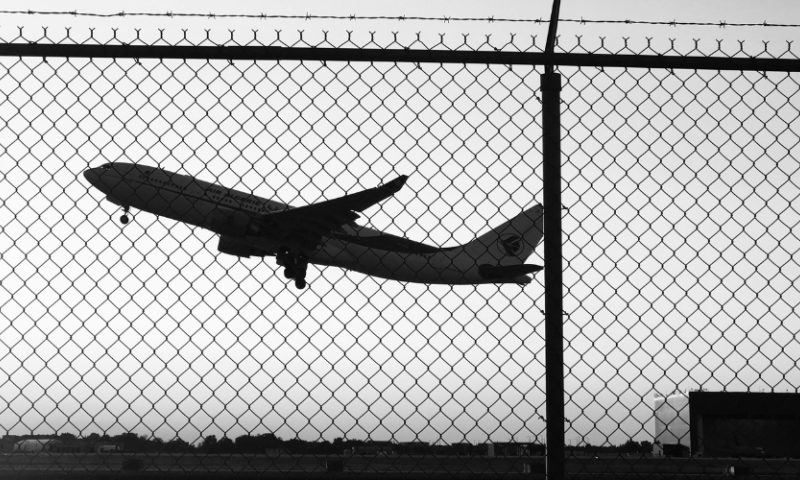
At the Allama Iqbal International Airport by Hera Naguib
Wasafiri is pleased to publish the pieces shortlisted for the 2022 Queen Mary Wasafiri New Writing Prize. The poems, essays, and short stories in this series showcase the best new writing from the best new writers across the globe – in all their diversity and complexity.
Poetry

Season by Rebecca Tamás
In this exclusive extract from 'Season' by Rebecca Tamás, a slow, moving meditation on ritual and the nonhuman life which opens our spring issue, Wasafiri 113, we see the seasons change – from spring to summer – during the early days of the pandemic.
ExtractNonfiction

Notes for a Dictionary of Walking the Fingers by Dan Byam Shaw
Wasafiri is pleased to publish the pieces shortlisted for the 2022 Queen Mary Wasafiri New Writing Prize. The poems, essays, and short stories in this series showcase the best new writing from the best new writers across the globe – in all their diversity and complexity.
Fiction
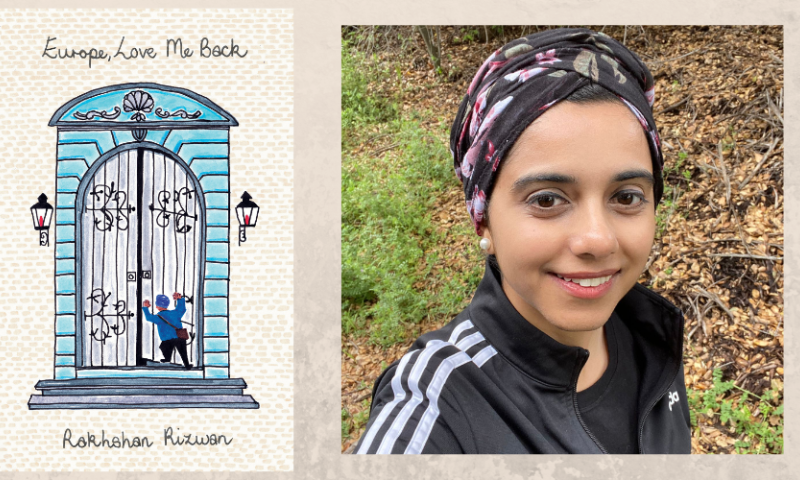
Two Poems by Rakhshan Rizwan
In these two poems from Rakhshan Rizwan's debut collection Europe, Love Me Back (The Emma Press), the poet probes ideas of systemic racism in academia and unbelonging with an unerringly sharp eye for language and imagery.
Poetry
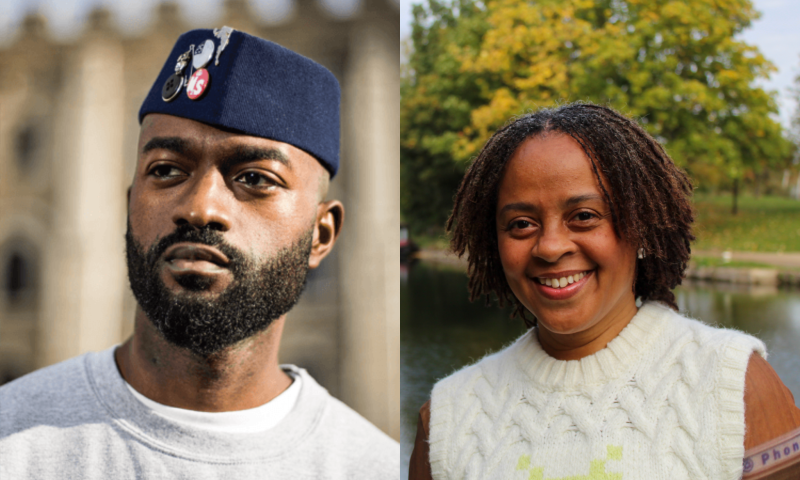
Another Way of Looking: Talking to Inua Ellams
In this exclusive extract from Wasafiri 112: Reimagining Education, Angelique Golding talks with poet and playwright Inua Ellams on adapting Chekhov's Three Sisters for the National Theatre and in the context of the Biafran War, his Hausa heritage, the curriculum and his ‘cultural touchstones’, and more.
ExtractInterviews
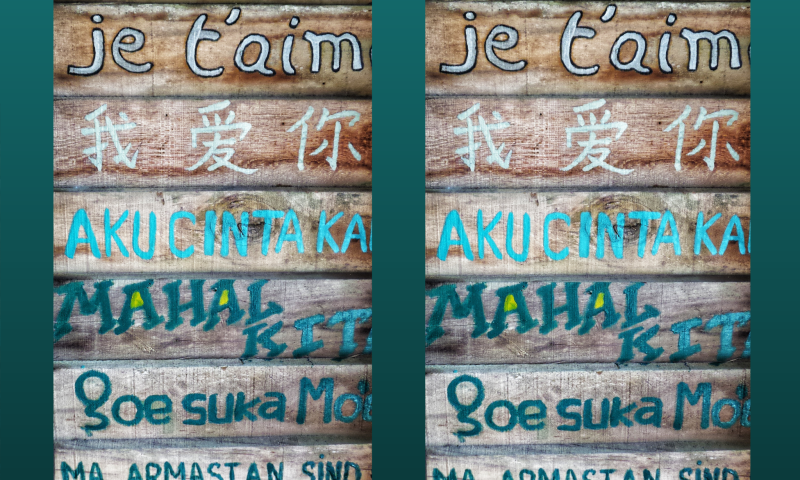
Ambient Language by Stephanie Sy-Quia
In this essay, Stephanie Sy-Quia reflects on the five languages in her family, learning and un-learning language, and the multilingual environment’s earliest lesson – all through anecdotes from childhood and her experiences growing up across countries and cultures – and explores classism, (de)…
Nonfiction

There Was Never Enough Salt in the Kitchen by Juleus Ghunta
Wasafiri is pleased to publish the pieces shortlisted for the 2022 Queen Mary Wasafiri New Writing Prize. The poems, essays, and short stories in this series showcase the best new writing from the best new writers across the globe – in all their diversity and complexity.
Poetry

A ‘Balanced’ History of Empire: Sathnam Sanghera’s Empireland and Other Colonial Anti-Colonial Histories
In this exclusive extract from Wasafiri 112: Reimagining Education, Kavita Bhanot writes about Sathnam Sanghera’s much-lauded book, Empireland: How Imperialism Has Shaped Modern Britain, and questions what kind of 'decolonising' work the book is really doing by offering what she terms as a 'balanced' history of of the violence and exploitation of empire.
ExtractNonfiction
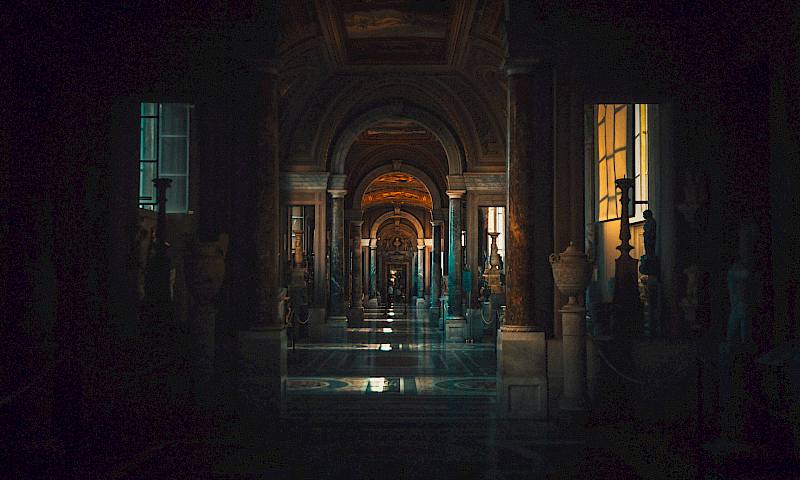
On Not Getting a Caird Research Fellowship... by Naomi Foyle
In this sharp, rhythmic poem from Naomi Foyle, a catalogue of items serves to dissect a long legacy of colonialism and racism, and challenges the inherent violence in the ways we archive and perpetuate the British Empire.
Poetry
Trouble by Jade E Bradford
Read this exclusive extract from Jade E Bradford's short story 'Trouble', first published in Wasafiri 112: Reimagining Education, which paints a startling and empathic portrait of the systemic racism and oppression embedded in educational systems, with blunt, evocative prose.
Extract

They Wanted To Write So I Told Them To Dance by Safiya Kamaria Kinshasa
In this passionate and joyful article – accompanied by a poem from her debut collection Cane, Corn & Gully – poet, dancer, and choreographer Safiya Kamaria Kinshasa explores her experience teaching writing through movement, and the complicated nuances of Barbadian culture and identity. The text is a celebration of learning, listening, and moving as a community.
NonfictionPoetry

Pedagogies of Defiance by Sita Balani
In this exclusive extract from Wasafiri 112: Reimagining Education, Sita Balani considers the dissonance of the university's role in authoritarian nationalism and simultaneous embrace of the language of ‘decolonisation'.
Extract
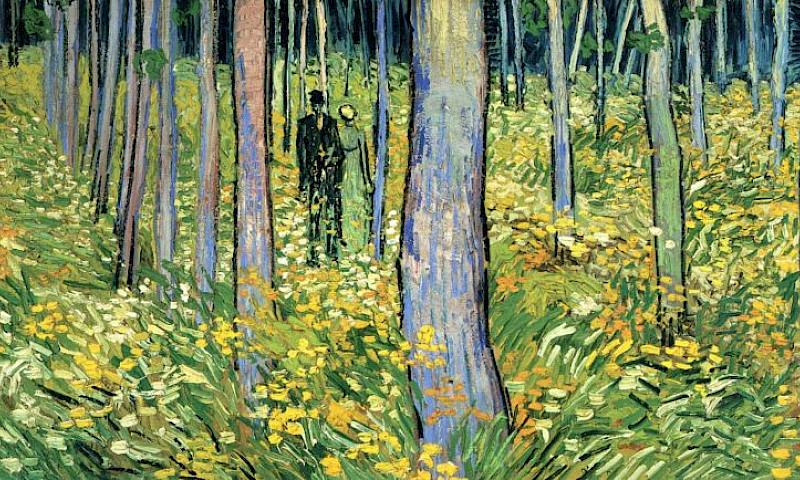
My mother tells her sister you have your husband and I have my flowers by Vasiliki Albedo
In this quietly devastating poem, Vasiliki Albedo effortlessly crafts a narrative of domestic tension, inspired and informed by one of van Gogh's paintings. Together, Albedo blurs memory and art to deliver a striking, painful portrait of childhood.
Poetry
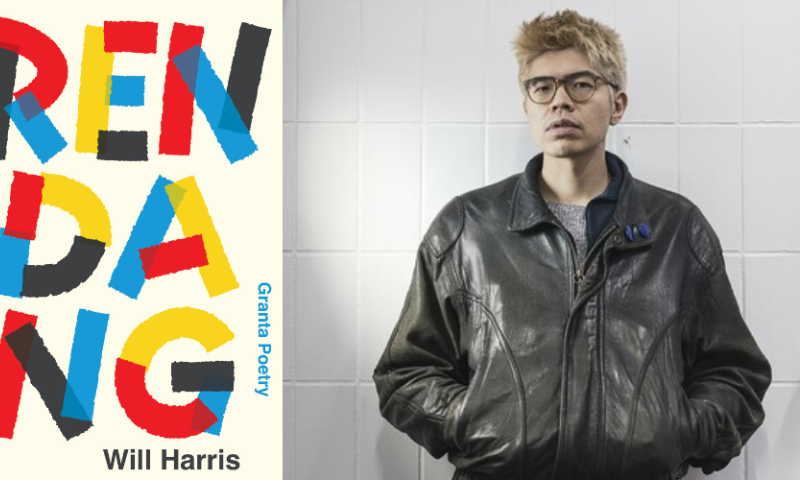
'Rediscovering Self, Race, and Class Through Cultural Translation': An Interview with Will Harris by Jennifer Wong
In this exclusive extract from Wasafiri 111: Translating Lives, Jennifer Wong interviews fellow poet Will Harris on his debut collection RENDANG, and the craft, experiences, and ideas that went into writing it. You can read the full excerpt in Wasafiri 111.
NonfictionInterviews
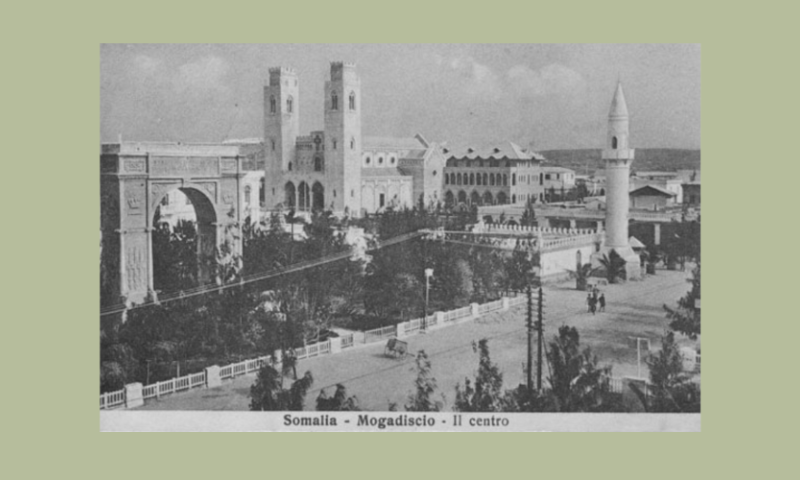
Islam and Me by Shirin Ramzanali Fazel
In this extract from 'Islam and Me', written and translated by Shirin Ramzanali Fazel with assistance from Simone Brioni, the author reckons with Italy's systemic racism, and her experiences with family, assimilation culture, and immigration.
Extract

Two Poems by Reem Abbas
In these two bilingual poems, Reem Abbas probes notions of language, family, and voice. Elegant and rhythmic, Abbas makes use of the gaps between words and worlds, raising questions of home and remembrance.
Poetry