
Wasafiri at Large: Countering Narrative Fault Lines in The Gulf
Here, Teresa Cherukara reflects on the misconceptions and outsider perceptions surrounding the Gulf, emphasising the complex and multifaceted experiences of the South-Asian diaspora who live there.
Editors at Large

‘The Messiness of Our Aliveness’: A Conversation with Sanah Ahsan and Gargi Bhattacharyya
In this interview, Sanah Ahsan, and Gargi Bhattacharyya address the violence, inequality, and waste produced by racial capitalism, while also imagining modes of living otherwise.
Interviews

Once Upon A Time, Tomorrow by Hilal Chouman
In this exclusive extract from Wasafiri 118: Abolitions - Writing Against Abandonment, Hilal Chouman – translated by Caline Nasrallah – explores themes of memory, grief, and the passage of time through two people's relationship to each other — weaving together personal moments with broader, unexplained phenomena, and creating a sense of mystery and unresolved tension.
ExtractFiction
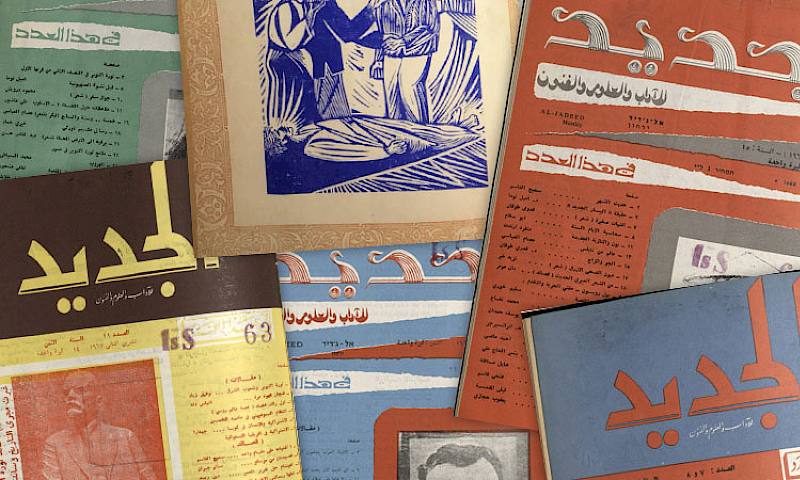
‘Periodicals Were the Beating Hearts of Global Movements’: An Interview with Revolutionary Papers
In this exclusive extract from Wasafiri 118: Abolitions - Writing Against Abandonment, Marral Shamshiri interviews Dr Mahvish Ahmad, Dr Koni Benson, and Dr Hana Morgenstern of the Revolutionary Papers, who discuss the importance of mobilising communities and connecting historical and contemporary radical archives to ongoing liberation struggles, all whilst looking at them through an anti-colonical lens.
ExtractInterviews

On Guest-Editing the Abolitions Issue: Farhaana Arefin and Dr Abeera Khan
Ahead of our launch event on 4 July, we spoke to co-guest editors Farhaana Arefin and Dr Abeera Khan about curating, commissioning, and editing Wasafiri 118: Abolitions - Writing Against Abandonment.
Interviews

On This Earth We Have No Abiding Home by Laura Jane Lee
Wasafiri is proud to publish the 2023 Queen Mary Wasafiri New Writing Prize shortlisted pieces. These poems, essays, and short stories detail a range of emotions and experiences, produced by promising new writers from all over the globe. This shortlisted poem by Laura Jane Lee depicts the complicated emotions of leaving home.
New Writing PrizePoetry

Virgin Mobile by Andrea Gissdal
Wasafiri is proud to publish the 2023 Queen Mary Wasafiri New Writing Prize shortlisted pieces. These poems, essays, and short stories detail a range of emotions and experiences, produced by promising new writers from all over the globe. In this fictional piece by Andrea Gissdal, the narrator's obsession with the harmful and toxic effects of mobile phones is depicted through her husband's infidelity.
New Writing PrizeFiction

In the Ground of Memory by Mica Montana Gray
Wasafiri is proud to publish the 2023 Queen Mary Wasafiri New Writing Prize shortlisted pieces. These poems, essays, and short stories detail a range of emotions and experiences, produced by promising new writers from all over the globe. In this life writing piece, Mica Montana Gray reconstructs family history through memories and stories, highlighting the importance of honouring and remembering one's past as a bridge to the present.
New Writing PrizeNonfiction

She and I by Madeleine Ballard
Wasafiri is proud to publish the 2023 Queen Mary Wasafiri New Writing Prize shortlisted pieces. These poems, essays, and short stories detail a range of emotions and experiences, produced by promising new writers from all over the globe. In this life writing piece, Madeleine Ballard portrays the tenderness and the careful navigation of a mother daughter relationship.
New Writing PrizeNonfiction

Ripening by Dushi Rasiah
This intimate fictional piece by Dushi Rasiah depicts the narrator's uncertainties, family secrets, and her own sense of identity culminating in a shared moment of compromise.
FictionNew Writing Prize

Exclusive Extract: The Prison As a Text by Layan Kayed, translated by Roba AlSalibi
Originally published in Wasafiri 118: Abolitions — Writing Against Abandonment, this piece of life writing, translated by Roba AlSalibi, powerfully deconstructs the themes of humanisation, freedom of Palestinian prisoners and people, and the abolition of prisons altogether.
NonfictionExtract

Exclusive Poem: Bastimentos by Amara Amaryah
Wasafiri is pleased to share this poem by Amara Amaryah, whose work was published in our spring issue Wasafiri 117: The State of the Industry. The hurtling sentences build up a kaleidoscope of images about the places we ‘strand ourselves’ in and make our own.

Stupid Vegetarian Chicken by Eve Newstead
In this short story, Eve Newstead intertwines themes of family, care, love, childhood, self harm, and body image to capture a tender moment.
FictionNew Writing Prize

Placing Poetry at the Centre by Meena Kandasamy
In this rallying piece Meena Kandasamy – Poetry judge for the 2024 Queen Mary Wasafiri New Writing Prize – traces her own journey as a writer, and sheds light on the importance of authenticity in poetry. She also talks about the types of poems that inspire her and what she is looking for in this year’s submissions.
New Writing PrizeNonfiction

Sing Up The Ruins by Jess Thayil
This poem by Jess Thayil explores one’s personal relationship to places — physical or metaphorical.
PoetryNew Writing Prize
Letter from Kingston by Annie Paul
Annie Paul’s ‘Letter from Kingston’, published in our latest spring issue, Wasafiri 117: The State of the Industry, compares the global recognition of Jamaican writers and visual artists, highlighting the disparity in their success and the debates surrounding Jamaican writers and artists who choose to remain in the Caribbean versus those who emigrate, focusing on the complexities and nuances of this decision.
ExtractNonfiction
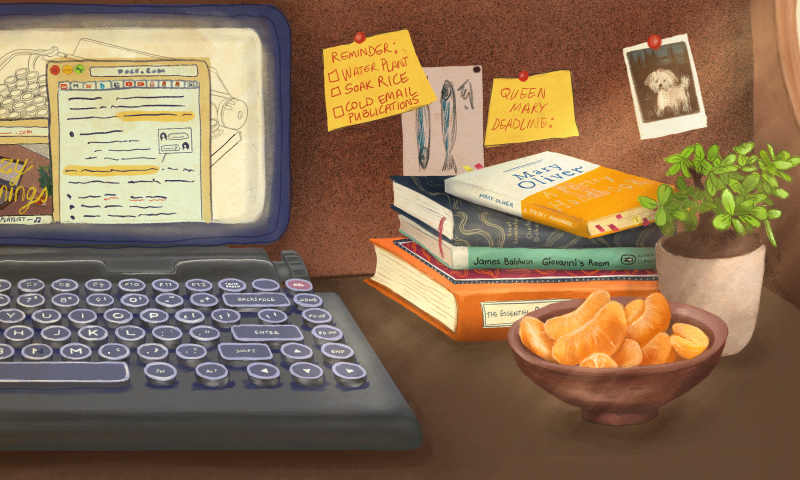
Wasafiri Wonders: Karthik Shankar
Ever wondered what your favourite author’s first drafts look like? Or which book they love that nobody’s heard of? Wasafiri Wonders is a series that asks these questions for you. For this instalment, we spoke to the 2023 Wasafiri Essay Prize winner, Karthik Shankar, on his favourite reads, writing habits, and upcoming work.
Interviews

In Defence of Reading as a Public Good by Isabel Waidner
In this inspiring piece, Fiction Judge for the 2024 Queen Mary Wasafiri New Writing Prize Isabel Waidner traces their own reading and writing career and explores the importance of libraries for working class writers in developing their craft.
New Writing PrizeNonfiction

Listed for Sale by Kayte Ferris
This life writing piece by Kayte Ferris explores past relationships and the impact of life choices through a series of items 'listed for sale'.
New Writing PrizeNonfiction

In Conversation with Margo Jefferson
In this wide-ranging and generous interview with Franklin Nelson – originally published in Wasafiri 117: The State of the Industry – Margo Jefferson discusses the critic at work and play. Read and download the interview in full on the Taylor & Francis website or order our Wasafiri 117 to read it in print.
InterviewsExtract

Sylheti for Beginners, as Explained by Your White Girlfriend by Erin Brady
This poem by Erin Brady explores the complexities of identity, language, and family dynamics through poignant vignettes.
New Writing PrizePoetry

Exclusive Extract: Amma by Saraid de Silva
Wasafiri is proud to publish this exclusive extract of Amma by Saraid de Silva (Weatherglass Books, 4 April 2024), a gripping novel exploring family trauma, post-colonial displacement, and queerness.
ExtractFiction

Feedback & Complaints by Jen Calleja
Jen Calleja's satirical and razor-sharp lead feature, 'Custard Pies', published in our latest spring issue, Wasafiri 117: The State of the Industry, and featuring five pastel-coloured pies ('one for each heckle I've received at a panel discussion about literary translation'), dwells on the fallacies of an 'ideal translator' — including notions of fidelity, mentorship, and who has the right to translate. This short essay, similarly and characteristically spiky and acerbic, questions preconceived notions around the translator's role and work from a personal perspective.
ExtractNonfiction

The Acre by Shere Ross
In this short story, themes of loss, marriage dynamics, and community gossip intertwine, ultimately leading to a deeper understanding of human connection and resilience.
FictionNew Writing Prize