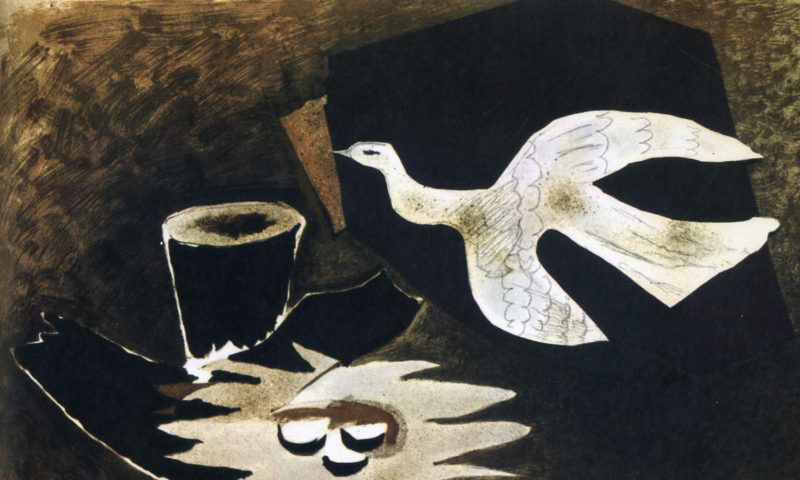
Two Poems by Haia Mohammed
We are honoured to publish two new poems – 'Bird' and 'Just A Simple Life' – by Haia Mohammed, a 23-year-old poet from Khan Younis in Gaza, reflecting some of her experiences, pains, and dreams living through occupation and genocide. Haia is part of the first group of scholars to be successfully evacuated from Gaza to the UK. Her debut poetry pamphlet, The Age of Olive Trees, is out now.
Poetry
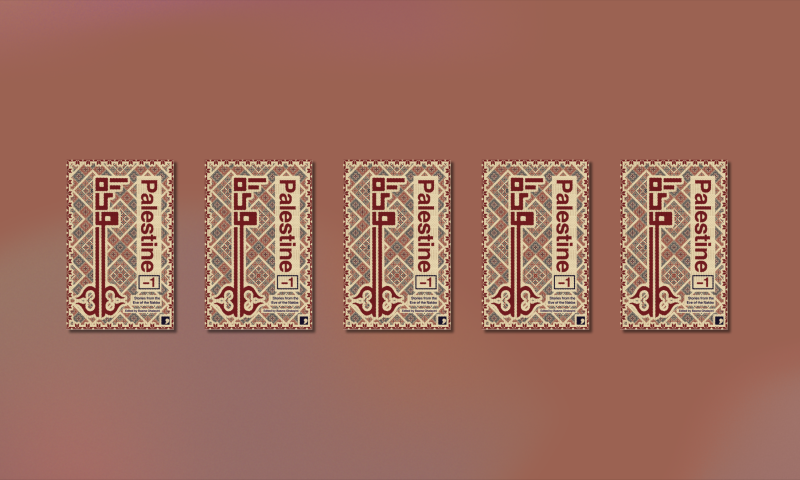
Extract: Palestine -1: Stories from the Eve of the Nakba
Read an exclusive extract from the newly-published anthology, Palestine - 1: Stories from the Eve of the Nakba, a collection of Palestinian writing using literary devices typically associated with the horror genre, edited by Basma Ghalayini. Titled 'I Swear, This All Happened', this magical realist short story by Liana Badr is set in a girls' boarding school in Jerusalem. It is translated by Maisa Almanasreh.
ExtractFiction
Befriending the Forest by Selina Nwulu
Selina Nwulu unpacks the impetus behind her debut essay collection, Black Climates – 'an exploration of climate breakdown through the lens of the Black experience' – where mainstream discourse has inadequately addressed how marginalised peoples are affected by the climate crisis.
Nonfiction
Wasafiri Wonders: NoViolet Bulawayo
We spoke to the twice Booker-shortlisted Zimbabwean author, NoViolet Bulawayo – who recently won the Best of Caine Award – on her career trajectory, the force of literary prizes, writing life, and thoughts on the current African literary landscape.
Interviews
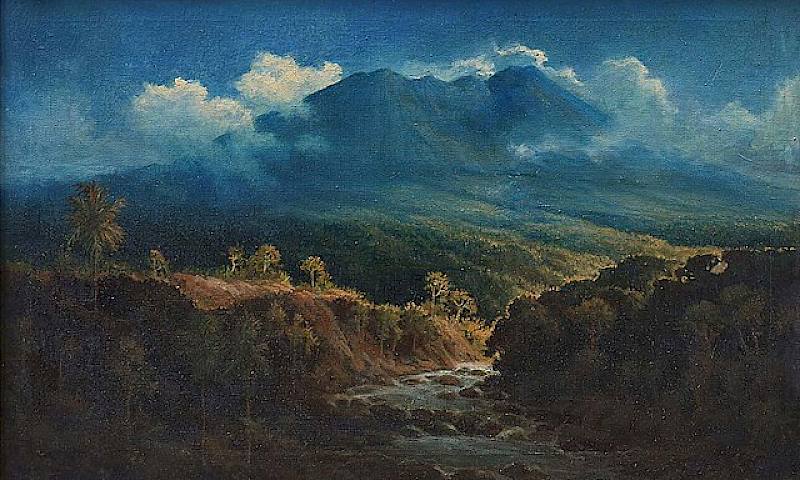
'The Mouth of a Gash, Sing It Like a Scream': Alton Melvar M Dapanas interviews Khairani Barokka
Khairani Barokka speaks to Alton Melvar M Dapanas on how her latest book Annah, Infinite reshapes speculative nonfiction, disrupts genre norms, and disputes the racial, gendered, and ableist biases of fraught literary and artistic spaces.
Interviews
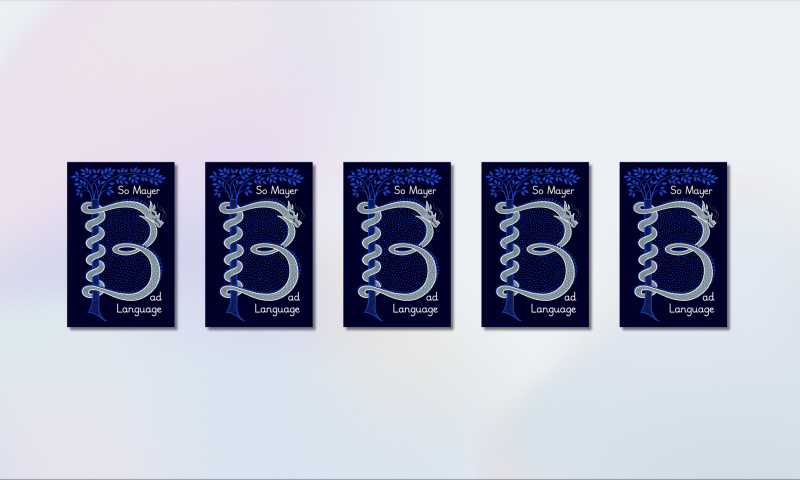
Extract: Bad Language by So Mayer
Read an extract from So Mayer's forthcoming book, Bad Language, a blend of memoir and manifesto exploring the politics of speech, and how language has been used – and abused – collectively and in their own life. This extract is from a section titled 'Shibboleth' – 'a word that draws a border, and makes that border deadly' – in relation to the continued occupation of Palestine.
ExtractNonfiction
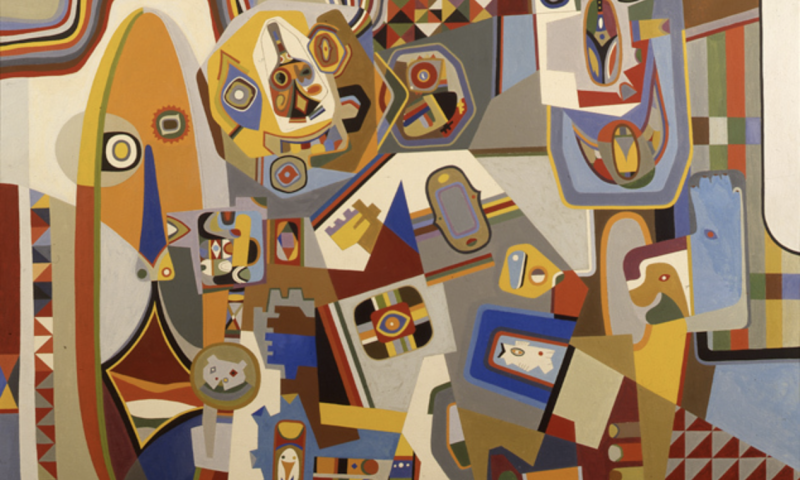
The Misidentification of Bobo by Franklyn Usouwa
Franklyn Usouwa's acerbic short story from Wasafiri 123 is a satire set in an unnamed African country. Through a fictional character named Bobo, Usouwa critiques systems of censorship, repression, unbridled technological growth, and more.
FictionExtract
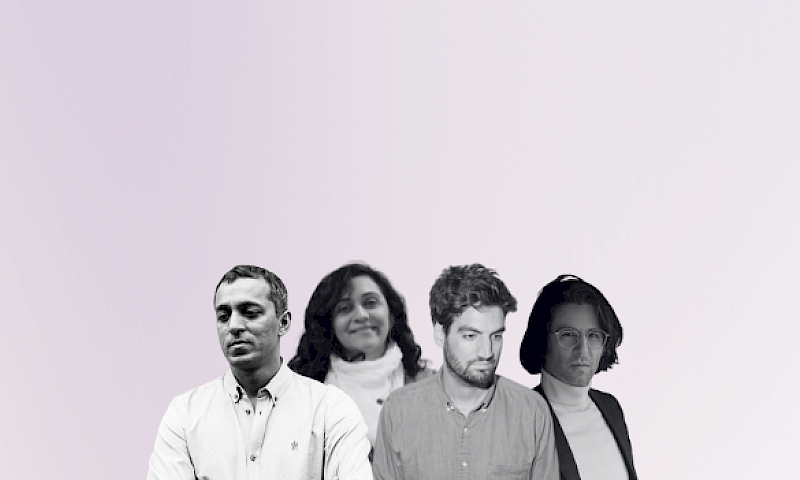
Berlin Writers in Conversation
As part of the Writing the Self, Writing Berlin series led by our CHASE intern Divya Ghelani, three writers based in Berlin – Rajeev Balasubramanyam, Vijay Khurana, and Deniz Utlu – sat down together this summer for a filmed conversation on topics ranging from Berlin's identity as a creative capital to immigration, translation politics, and more. Watch the conversation — exploring what it means to write in Berlin today.
Interviews
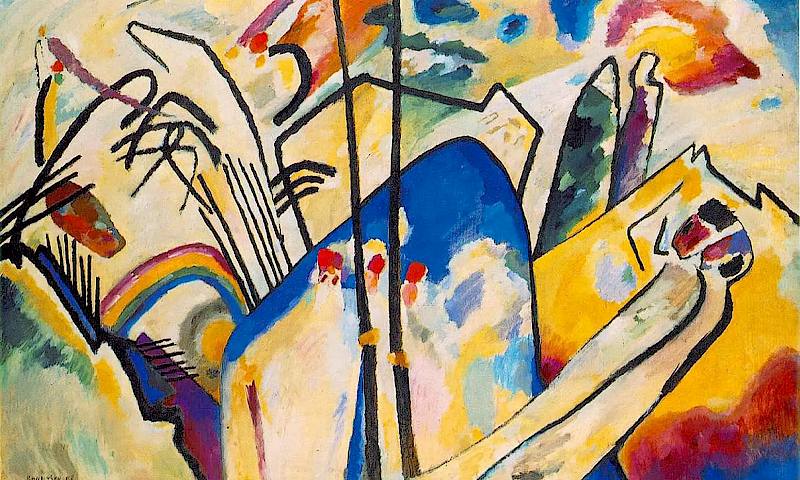
Liberalism as Fascism’s Prefiguration by Abeera Khan
‘What becomes of gender and sexuality amidst the collapse of the liberal world order?’ In this essay, Dr Abeera Khan from SOAS, University of London’s Department of Gender Studies examines our current moment as one after homonationalism, where ‘the sparse and vanishing wages of inclusion lie exposed.’
Nonfiction
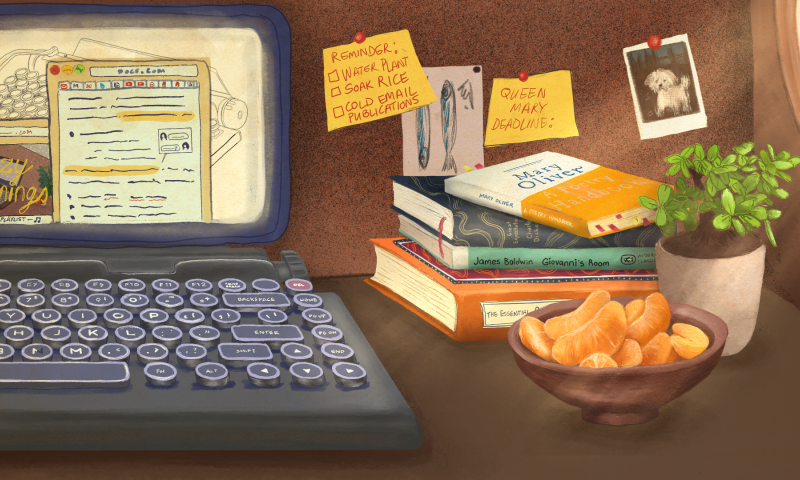
Wasafiri Wonders: Anton Hur
For this instalment of our Wasafiri Wonders series, we spoke to 2025 International Booker Prize judge and our Queen Mary Wasafiri New Writing Prize judge for Fiction this year, Anton Hur, on his writing habits and rituals, the art of translation, and upcoming work.
Interviews
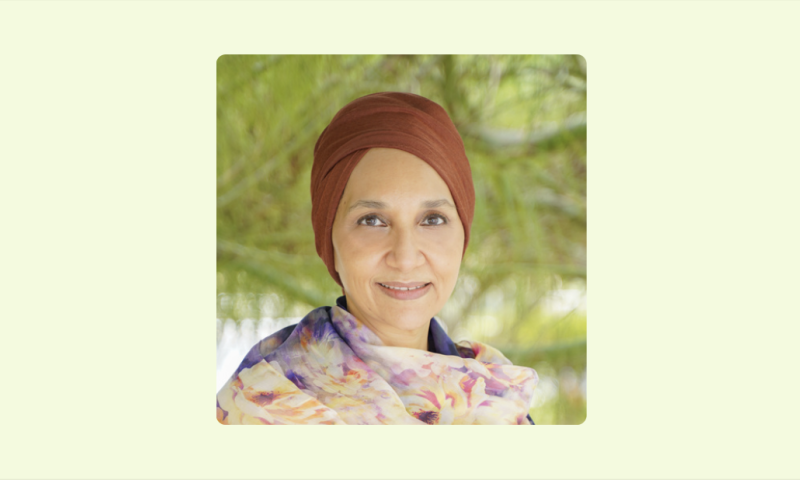
The Inaccurate Mirror by Leila Aboulela: PEN Pinter Prize 2025
We are honoured to publish Leila Aboulela's full acceptance speech for the PEN Pinter Prize 2025. Leila is a long-time friend of Wasafiri, having judged the Queen Mary Wasafiri New Writing Prize in 2023. She named Stella Gaitano as Writer of Courage 2025.
Nonfiction
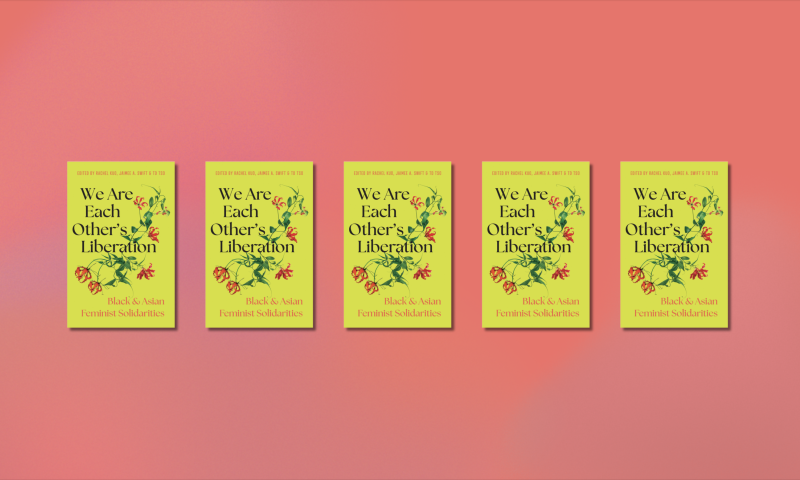
Extract – We Are Each Other's Liberation: Black and Asian Feminist Solidarities
We're delighted to share an exclusive extract from the forthcoming collection, We Are Each Other's Liberation: Black and Asian Feminist Solidarities, edited by Rachel Kuo, Jaimee A. Swift, and TD Tso. This extract is from an interview by Swift with Beverley Bryan and Stella Dadzie – founding members of the socialist and activist group, Organisation of Women of Asian and African Descent – on the joys and difficulties of political organising across race, class, and gender.
ExtractNonfictionInterviews
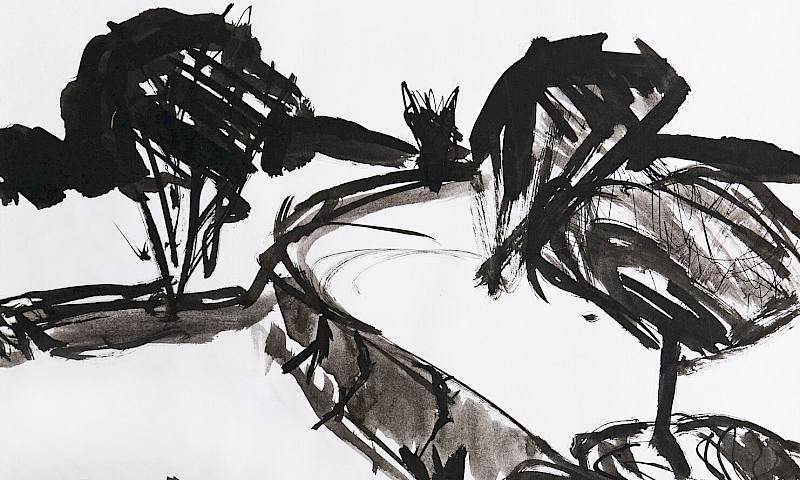
The Gift of Imaginative Rupture: Christina Sharpe in Conversation
In this extract from our autumn issue, Wasafiri 123, Christina Sharpe speaks to Guy Gunaratne about the origins behind her most recent work – Ordinary Notes – and the ways in which she draws from historical archives and visual art in her writing.
InterviewsExtract
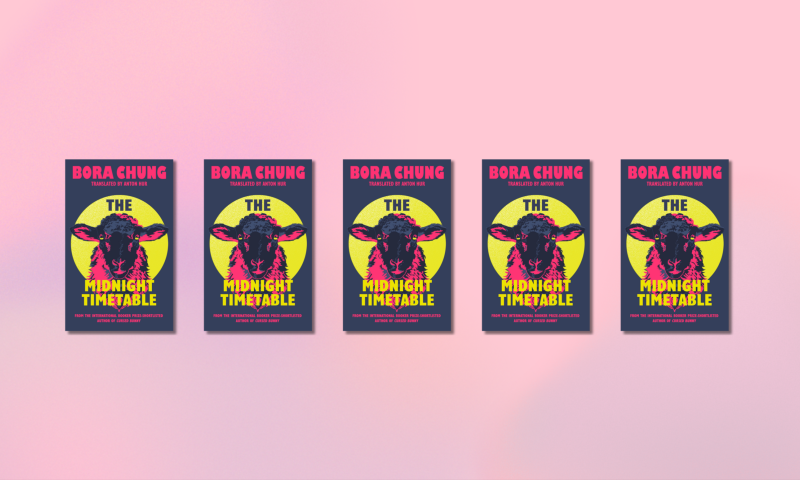
Extract: The Midnight Timetable by Bora Chung, trans. by Anton Hur
Read an extract from 'Why Does the Cat?', a short story from Bora Chung's latest collection, The Midnight Timetable, translated by Anton Hur, where a man is haunted by the ghost of his murder victim.
ExtractFiction
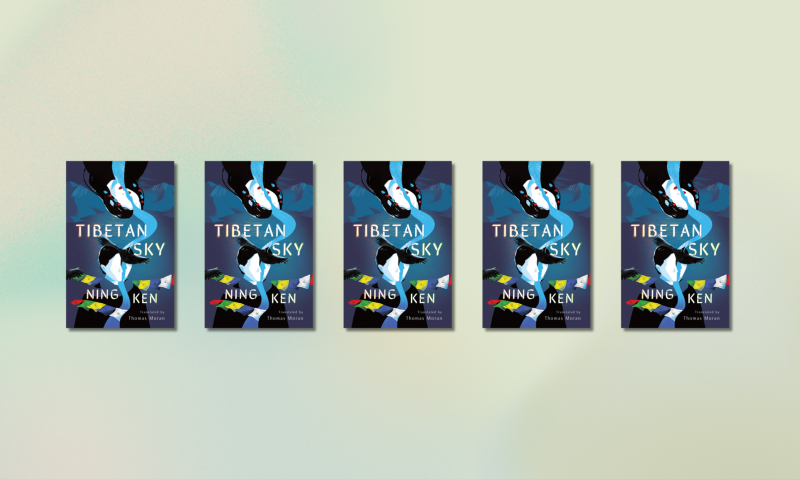
Extract: Tibetan Sky by Ning Ken, trans. by Thomas Moran
Read an extract from Ning Ken's forthcoming novel Tibetan Sky – translated by Thomas Moran – a philosophical work of fiction about a disillusioned academic and the complex history of Tibet.
FictionExtract
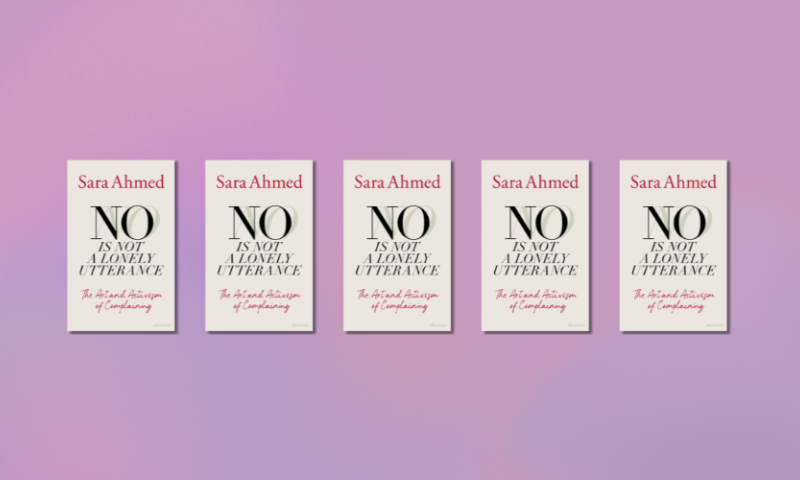
Extract: No Is Not a Lonely Utterance by Sara Ahmed
Read an extract from Sara Ahmed's forthcoming book, No is Not a Lonely Utterance: The Art and Activism of Complaining – on the various ways in which we can engage in complaint, refusal, and resistance with our dignity – including whistle-blowing, song, language, protest, and more.
ExtractNonfiction
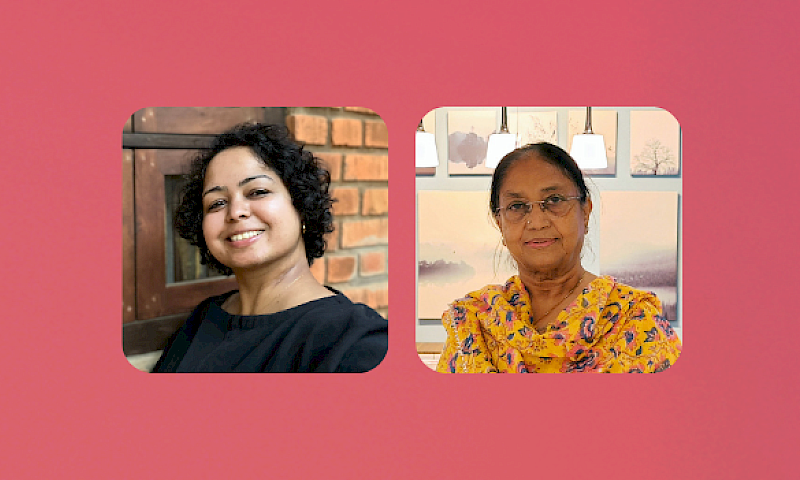
A New Direction for Literature: An Interview with Deepa Bhasthi and Banu Mushtaq
Wasafiri Deputy Editor and writer, Vamika Sinha, spoke with 2025 International Booker Prize winners Banu Mushtaq and Deepa Bhasthi (Wasafiri's inaugural International Translator in Residence) at a live event at Waterstones Islington, London. Read their wide-ranging conversation, where they explored what went into writing, compiling, and producing their winning collection, Heart Lamp.
InterviewsTranslator in Residence
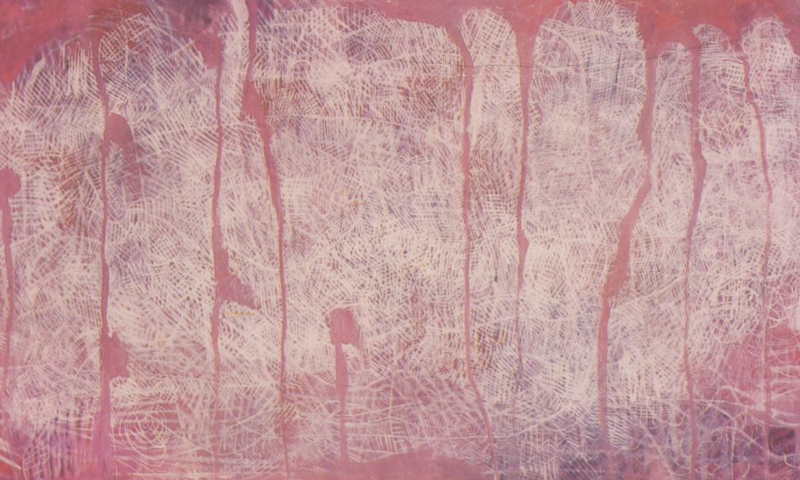
On (Mis)Translation and the Vein of Resistance by Khairani Barokka
Using the term 'amuk' as her starting point, Khairani Barokka roots out the violences in colonial mistranslation, weaving in disability justice and personal experience in this extract from Wasafiri 123.
ExtractNonfiction
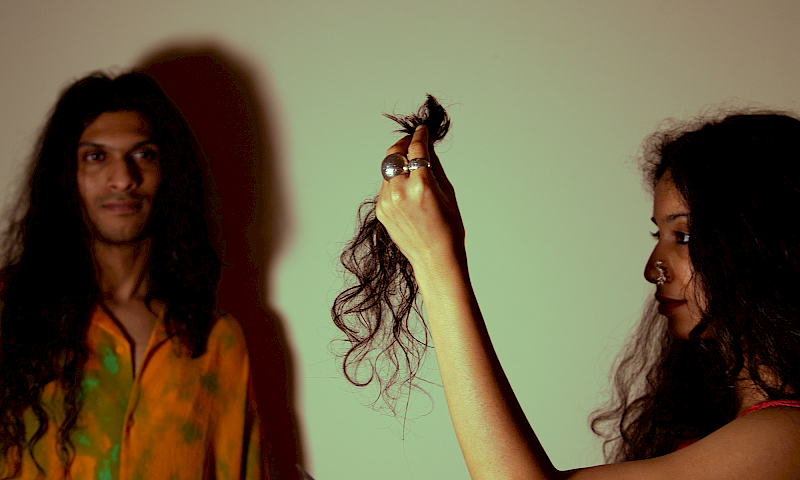
Cameras and Community: Photographing UAE's Creatives by Myriam Louise Taleb
In this photo essay, multimedia artist Myriam Louise Taleb elaborates on her evolving relationship to photography through memories of family photo albums, shooting in the UAE's private vs public spaces, and trying to find a sense of belonging in the country's creative scene.
ArtNonfiction
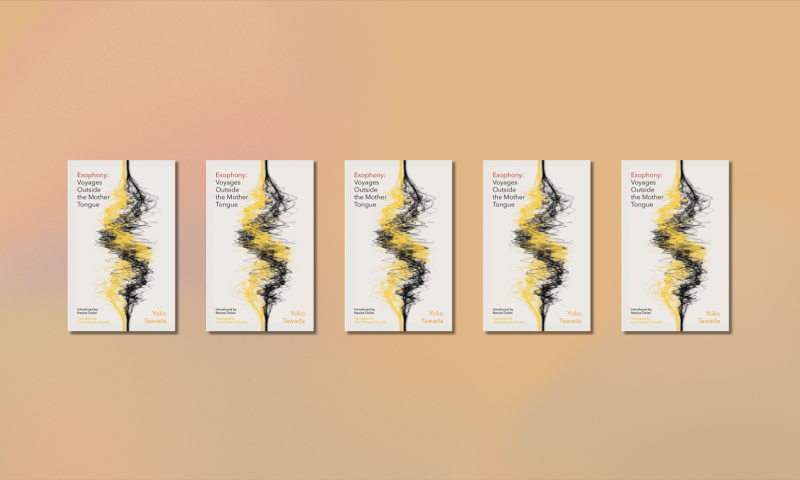
Extract – Exophony: Adventures Outside the Mother Tongue by Yoko Tawada
In this exclusive extract, Yoko Tawada – translated by Lisa Hofmann-Kuroda – considers the place of categorisation in literature. Her own writing is housed variously under ’Japanese Literature‘, ’Women's Literature‘, and ’Literature of Colour‘, among others. Here, Tawada breaks down these artificial boundaries to see the words beneath.
ExtractNonfiction
'What Happens If We Talk To Each Other?': In Conversation with Three Community-Makers (Part 2)
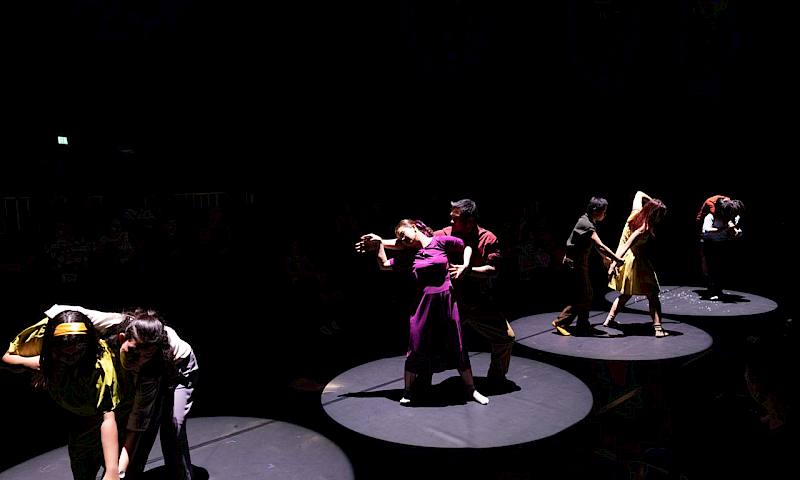
Khaled Esguerra, Juan Gonzales, and Carlos Páez González came to the UAE at different ages. They hail from different backgrounds and engage in various forms of visual and performance arts. In Part 2 of their interview published in Wasafiri 122: The UAE Issue – on how their practice generates conversations, and weaves collectives and audiences across different segments of UAE society – they elaborate further on these ideas while discussing what community building even means.
Interviews
The Trying Space by Divya Ghelani
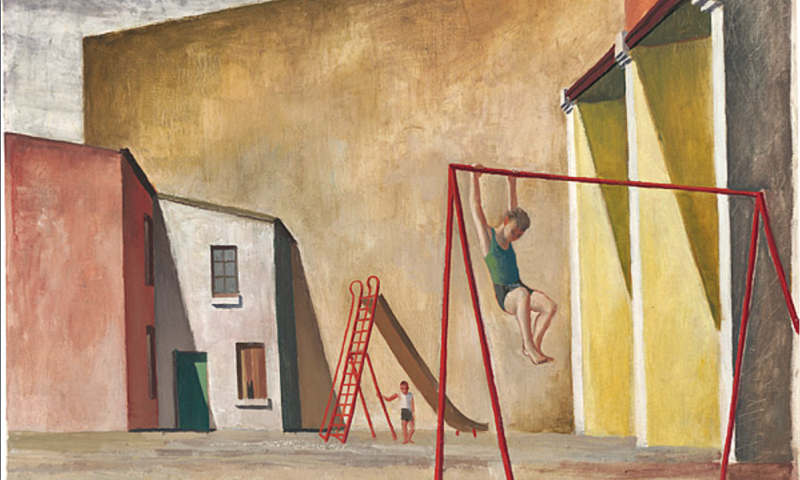
The first piece in our new Writing the Self, Writing Berlin series – led by our CHASE intern Divya Ghelani – is a personal essay by Divya, reflecting on her entwined experiences of producing both a novel and a baby via IVF while living in Berlin. She explores how this time transformed her ideas of anxiety, perseverance, and the act of creation.
Nonfiction
Crying Fl Jam3iya by Fatima AlJarman
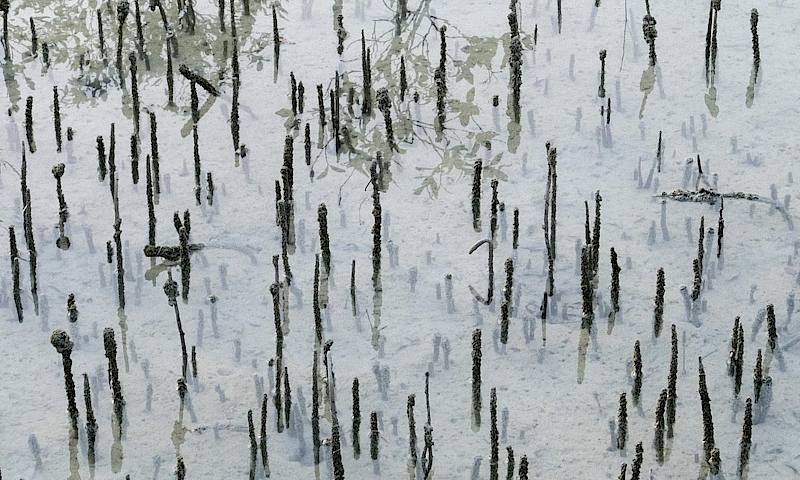
This melancholic short story by Fatima AlJarman – commissioned in tandem with Wasafiri 122: The UAE Issue – traces a daughter and father redefining their relationship in the aftermath of a loss. With an image by UAE-based photographer Adele Bea Cipste.
Fiction
Escape to Edinburgh by Bhoomika Ghaghada
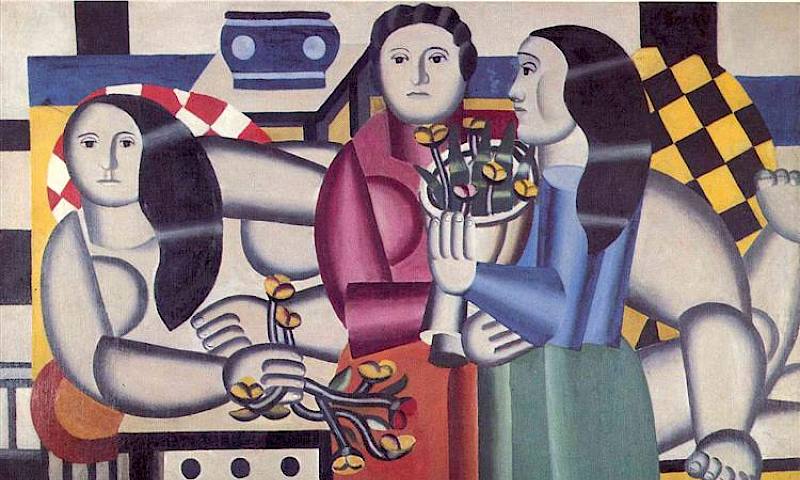
In the sterile surroundings of a VFS visa application centre in Dubai, an unnamed narrator reflects on her failed marriage, familial and societal expectations, and what freedom means to her. Written by Bhoomika Ghaghada and extracted from Wasafiri 122: The UAE Issue.
ExtractFiction