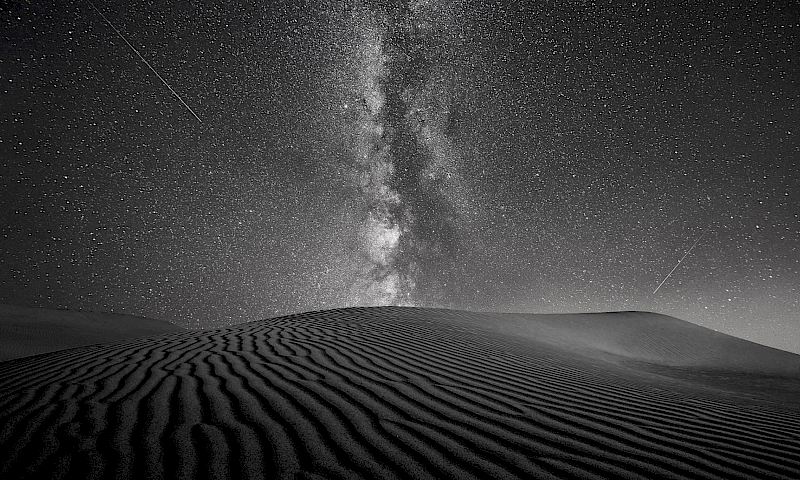
Gölgenâme by Mujja Alloba, trans. by Erkan Gürsel and Akış Ka
In this poem by Sudanese writer, doctor, and activist Mujja Alloba, a woman in exile seeks to forge both an individual and collective sense of power and revolution. It is presented here in the original Arabic as well as translations in Turkish and English by A.F, Erkan Gürsel, and Akış Ka. In a special introduction, Gürsel highlights the responsibility of translators not just to texts but also to the wider political conversations they engage in.
PoetrySolidarities
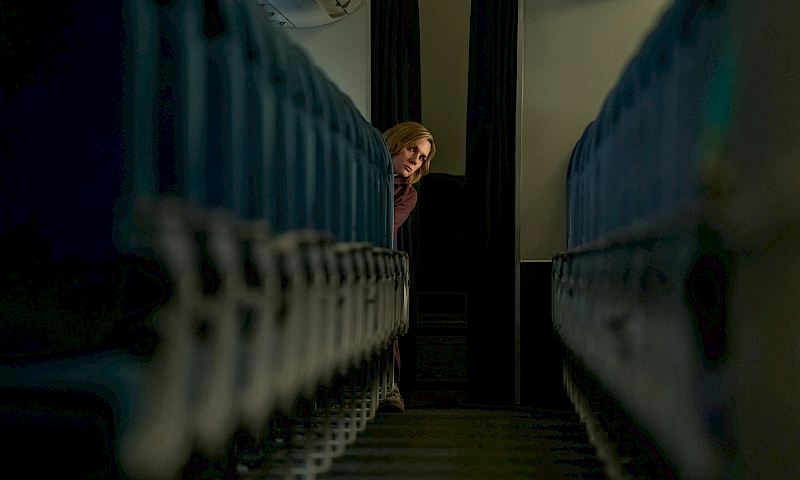
Lesbians ‘til the End of the World: The Importance of New Imaginations
Brazilian writer, translator, and literary scholar Natalia Borges Polesso discusses how the composition of gender-dissident, racialised, and/or sick characters in fiction come together to imagine possible ends of the world – and therefore possible new worlds – by breaking normative expectations. Polesso reflects on the narrative choices in her own books, as well as the wider political changes that have occurred in recent years in Brazil, particularly the Bolsonaro regime's crackdown on queer and other marginalised communities and ideas as 'deviant' and 'dangerous'.
AcademicNonfictionSolidarities
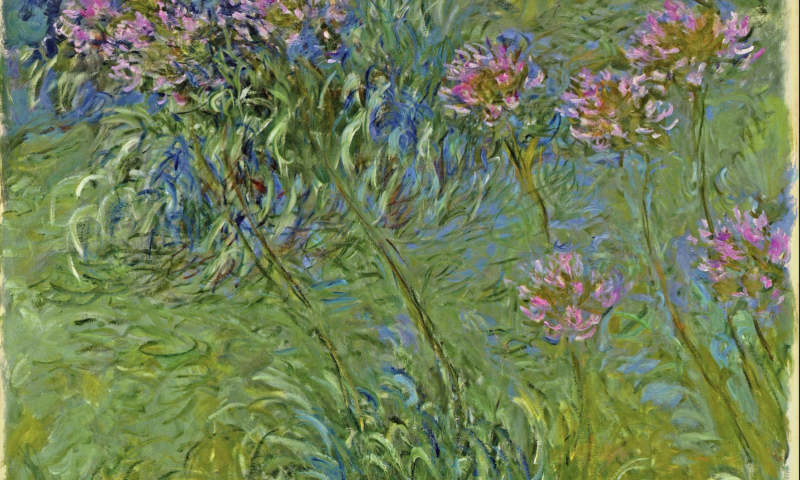
Two Poems by Eve Esfandiari-Denney
Read two new poems by Eve Esfandiari-Denney – titled 'Parked ream of flesh near hijack' and 'I will eat your liver' – that weave together the everyday, banal, spiritual, and philosophical. These poems appear in her debut collection, Girling (Fitzcarraldo Editions, 2026).
Poetry
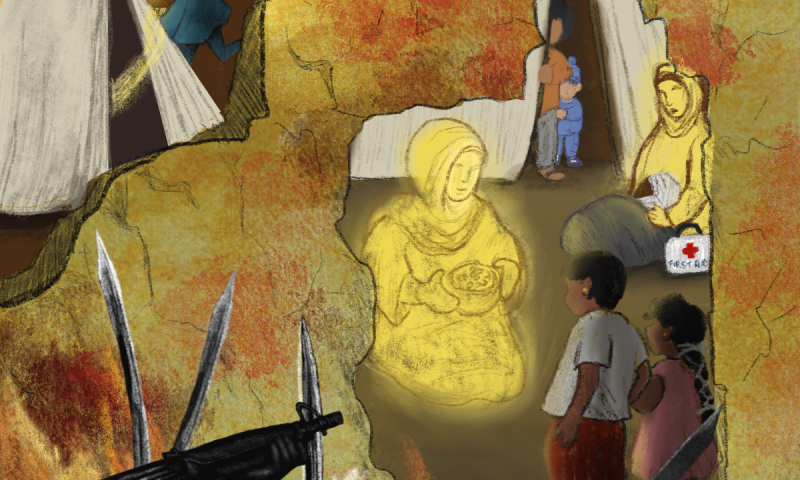
The Spirits of Shah Alam Camp by Asghar Wajahat, trans. by Aditya Vikram
On whose face do the shadows of a divided history fall? This short story by Asghar Wajahat – translated from Hindi by Aditya Vikram – observes a refugee camp set up in the aftermath of the 2002 pogrom in Gujarat, India, haunted by the spirits of lost loved ones. Writing in an unabashedly Muslim voice, the story is narrated similarly to a dastaan, an oral form of Urdu storytelling from North India, and examines the psychic wounds of marginalisation based on faith, class, and gender pervading a rotting democracy. With an illustration by Simone Khanyi Hadebe.
SolidaritiesFiction
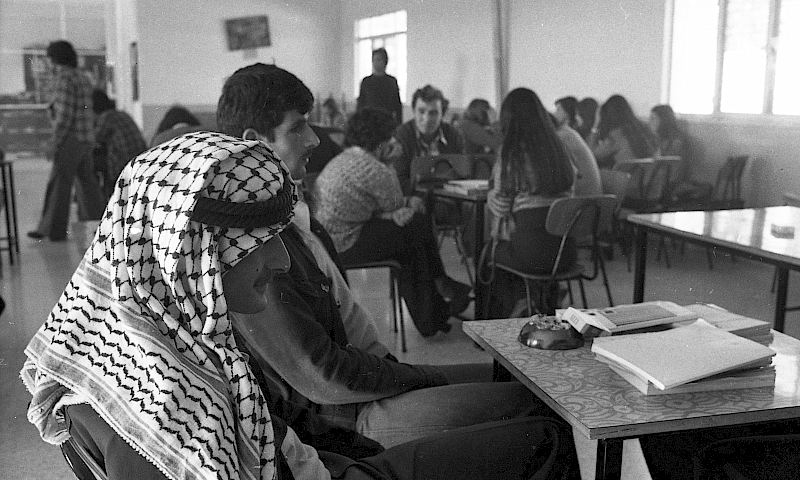
Three Poems by Dalia Taha, trans. by Sara Elkamel
Ramallah-based poet and playwright Dalia Taha offers three poems that bear close witness to the occupation and genocide in Palestine — 'The sound of trees and children riding bikes through the windows. / The towers they blasted.' Originally written in Arabic, these poems meditate on the intimacy of objects, faces, and daily scenes amid an atmosphere of loss, grief, and destruction. The text's spare, beautiful English translations are by Sara Elkamel.
SolidaritiesPoetry
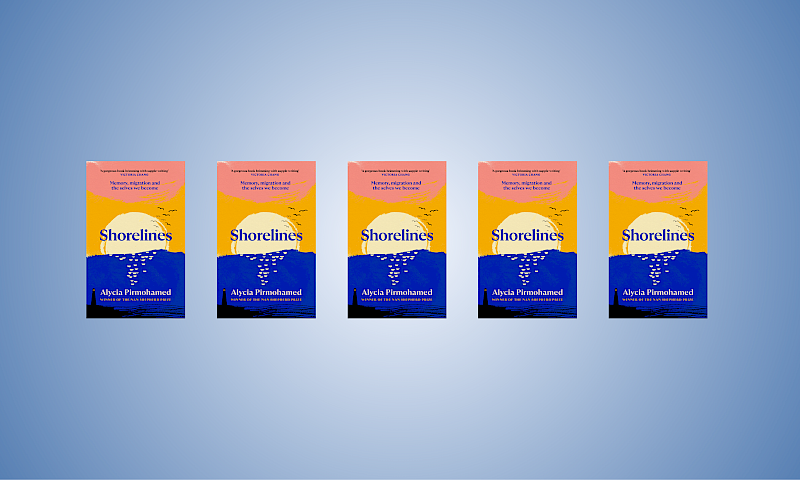
Extract: Shorelines by Alycia Pirmohamed
Read an extract from Shorelines: Memory, migration and the selves we become, the Nan Shepherd prize-winning debut nonfiction book by Alycia Pirmohamed. The Canadian-born, Scotland-based writer reconciles her identity and memories with those of her family across landscapes of place, faith, and community. Playing with the expectations of the nature writing and memoir forms, the immersive, lyrical narrative travels between the British Isles, East Africa, Midwestern Canada, and the Pacific Northwest, as well as Pirmohamed's home city of Edinburgh.
ExtractNonfiction
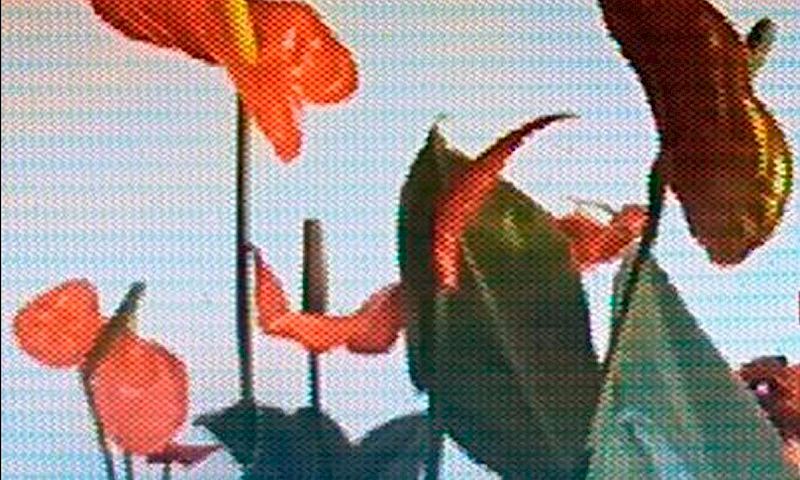
Race, Fantasy, and Anti-Cinema: An Interview with Sol Mussa by Paula Teixeira Moláns
In this interview, academic Dr Paula Teixeira Moláns speaks to interdisciplinary artist Sol Mussa – both are from Galicia, 'a non-state nation known for its waves of migration' – about Mussa's artistic practice and personal experiences of migration. Across her work in film and visual art, Mussa thoughtfully explores her Galician-Mozambican identity, speaking the Galician language (known as galego), representation in the art world, finding comfort in the cosmopolitanism of London, trash and hierarchy, and more.
This is an extract from Wasafiri 126: Impossible Returns — The Spain Issue.
InterviewsArt
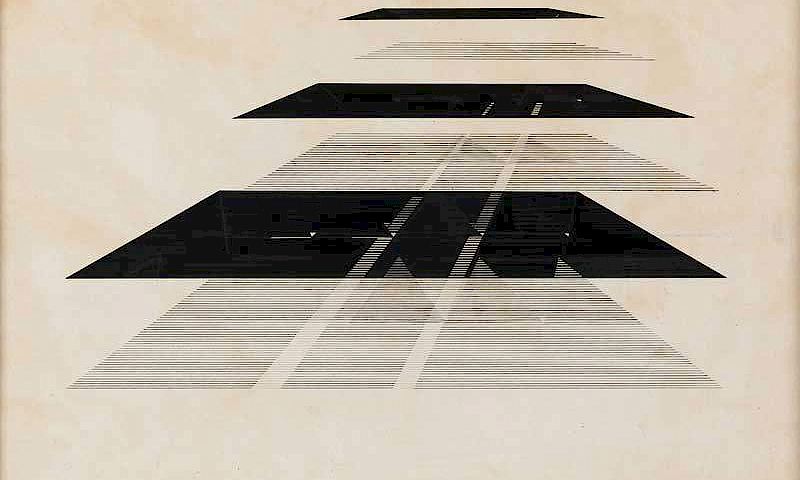
Porous Lines: An Interview with Mantra Mukim by Victoria Adukwei Bulley
Victoria Adukwei Bulley interviews poet Mantra Mukim about his debut collection, Glitchwork (the87press, 2026). They discuss the grid or mesh as a form of poetics; a failed moon landing thwarted by unexpected error that informed Mukim's writing; other inspirations from visual art and music, like Nasreen Mohamedi and Aphex Twin; and the influences of growing up in the industrial and forest landscapes of Central India.
InterviewsPoetry
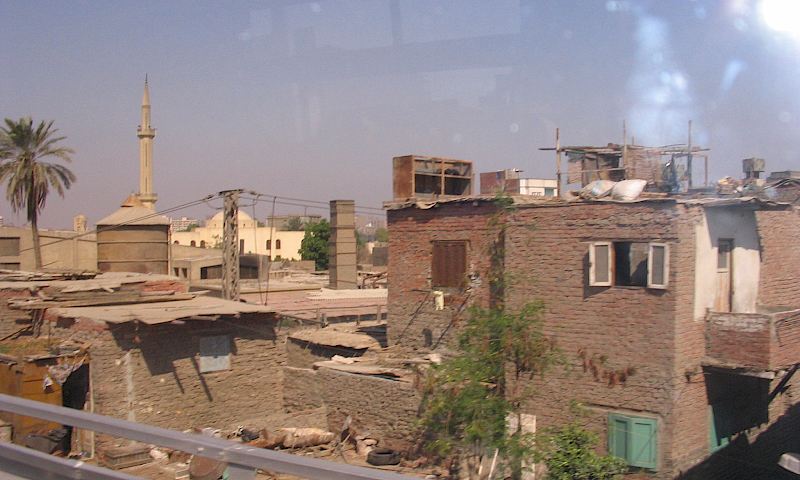
A Brief History of Creation and Eastern Cairo by Shady Lewis, trans. by Katharine Halls
Read an excerpt from Chapter One of Shady Lewis's third novel, A Brief History of Creation and Eastern Cairo (Dar Elain, 2021), translated by Katharine Halls. The novel is set in a modest middle-class neighbourhood of the titular city, and its story unfolds over the course of a single day, against the backdrop of real-life events that took place in the 1980s. In this chapter, the narrator introduces us to his home and family members.
Fiction
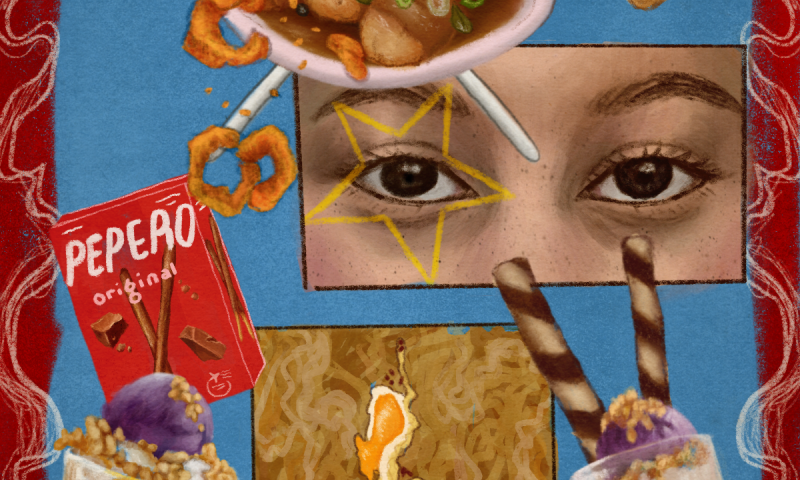
A Lone Hunger by Isabella Peralta
Isabella Peralta, who is part Filipino and Spanish, grew up in the Philippines on a former US naval base, consuming delightful varieties of Filipino foods and American media. In this evocative piece of life writing, she reminisces about her year working in Madrid, finding a sense of familiarity in instant ramen and an East Asian supermarket — a common, comforting presence for Asians living in global metropolitan cities. With an illustration by Simone Khanyi Hadebe.
Nonfiction
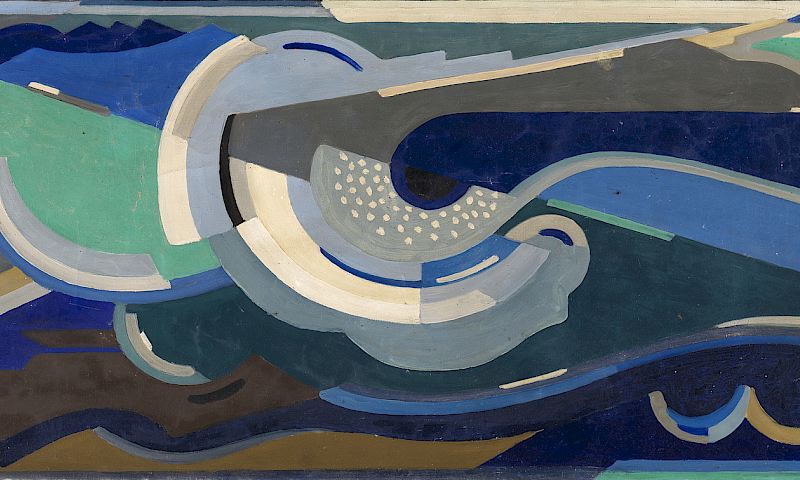
Against English: The Irish Poets Who Have Refused Translation
Irish translator and scholar Ellen Corbett explores how some Irish writers have resisted or deferred the translation of their work into English — given the minoritisation of the Irish language and its 'definitely endangered' status. Unpacking the tumultuous, colonial history between the two languages, Corbett examines the varying stances of non-compliance poets like Biddy Jenkinson and Louis de Paor have taken in the past. What does this mean for Irish writers and translators today, who must tussle between greater international recognition and market reach, and preservation and authenticity?
Nonfiction
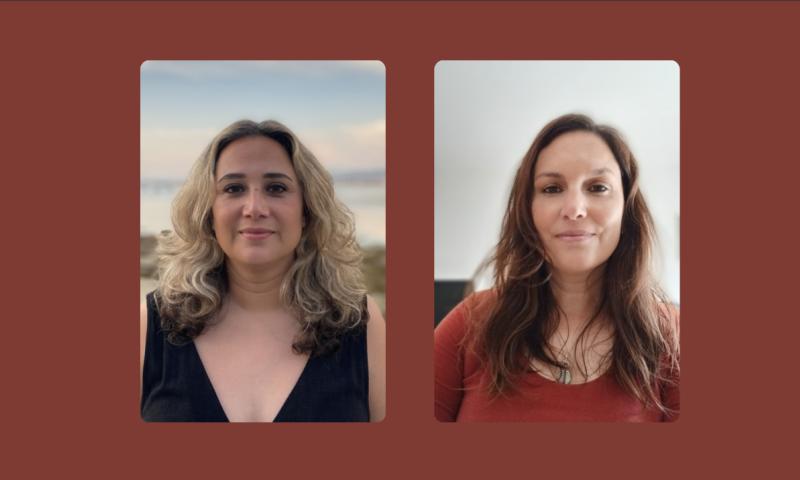
On Guest-Editing The Spain Issue: María del Pilar Kaladeen and Marta Fernández Campa
We spoke to María del Pilar Kaladeen and Marta Fernández Campa about guest co-editing Wasafiri 126: Impossible Returns — The Spain Issue, which explores racialised and migrant existences in Spain that are intentionally overlooked in favour of more white, ethnonationalist narratives of the country. They discuss their deeply intentional process of putting the issue together, intersectionality, colonial and historical memory, editing at a time of catastrophe, and more.
Interviews
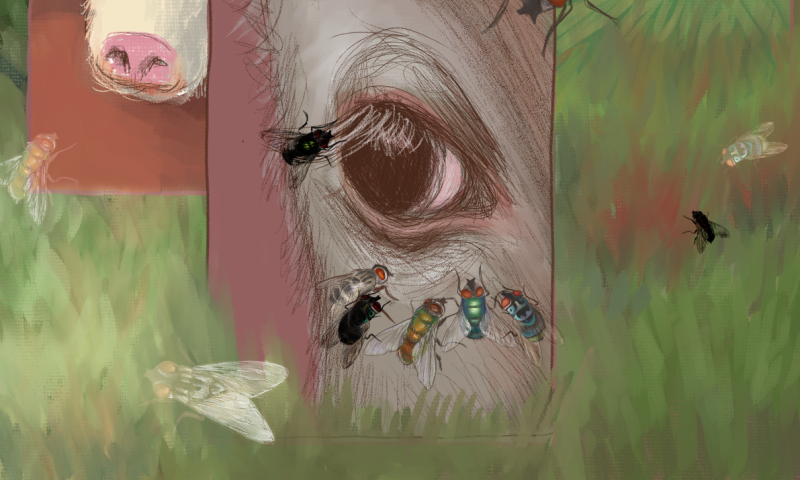
Diminutive Muses: Three Poems by Adalber Salas Hernández, trans. by Arthur Malcolm Dixon
For the Venezuelan poet Adalber Salas Hernández, 'poems are not unlike the microorganisms that act as his diminutive muses,' writes his translator from Spanish, Arthur Malcolm Dixon. Four such poems are presented here in both languages, where the reader is immersed in imagery from the Bible alongside observations of tiny living forms. Accompanied by a translator's note from Dixon, these poems become a meditation on the complexities of life at both large and small scales, between the tangible and intangible.
Poetry
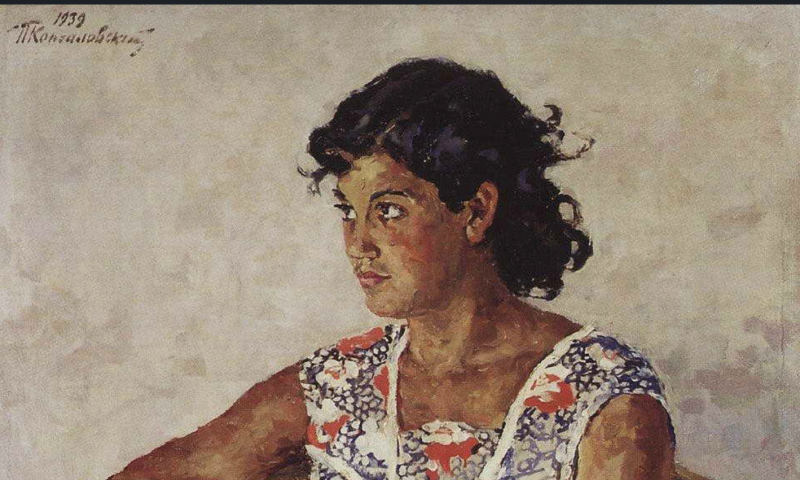
Waiting Room by Safia El Aaddam, trans. by Ian Farnes and Layla Benitez-James
In this short story by Safia El Aaddam – translated from Spanish by Ian Farnes and Layla Benitez-James – a chance encounter with an old friend in a waiting room sets off a chain of memories for the protagonist. To protect themselves from being ridiculed in school, the two girls once concocted new fictional identities for themselves in their childhood — hiding the truth of their migrant and economic hardships.
This is an extract from Wasafiri 126: Impossible Returns — The Spain Issue.
FictionExtract
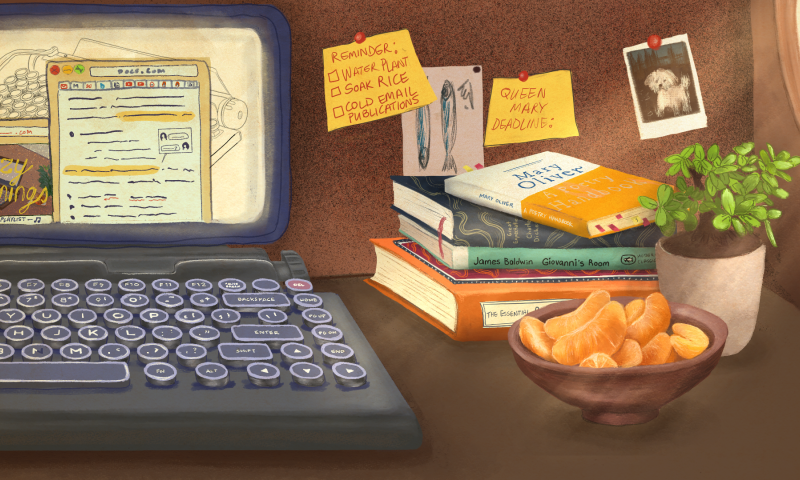
Wasafiri Wonders: Safia Elhillo
Our 2026 International Writer in Residence Safia Elhillo speaks to us about her reading lists, writing rituals and practices, what 'global solidarities' means to her, valuable advice she has received as a writer, and more in this new interview. Stay tuned for more news on Safia's residency, including upcoming workshops and new writing from the renowned Sudanese American poet, author, and editor.
Interviews
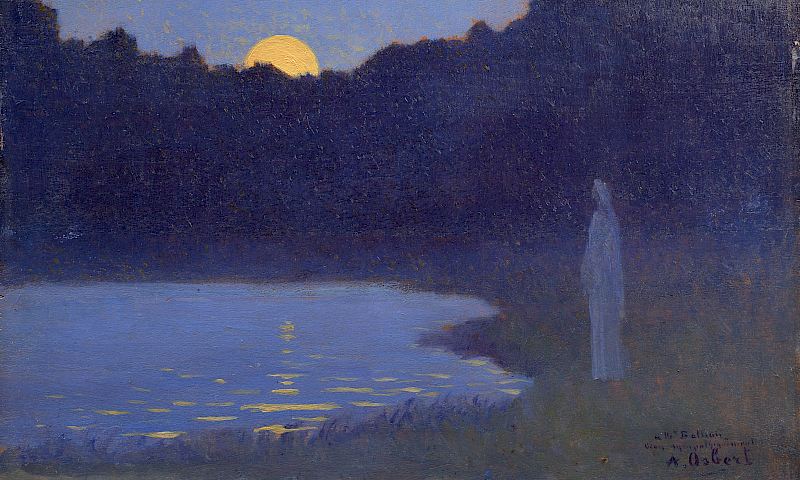
Blue Longing: Four Poems by Irma Pineda, trans. by Wendy Call
Indigenous Mexican poet Irma Pineda writes both in Spanish and Didxazá, one of the variants in the Zapotec language family. Here, read four of her bilingual poems in Didxazá and Spanish from her 2020 collection, Nasía racaladxe' / Azul anhelo [Blue Longing], based on Pineda's interviews with women who were victims of domestic violence in her hometown Juchitán in Oaxaca, Mexico. The poems are presented first in Didxazá (also known as Isthmus Zapotec), then Spanish, followed by their English translation by Wendy Call. They are accompanied by an additional translator's note, reflecting on Pineda and Call's long-term collaboration.
Poetry
Dugout by Emma Oldham
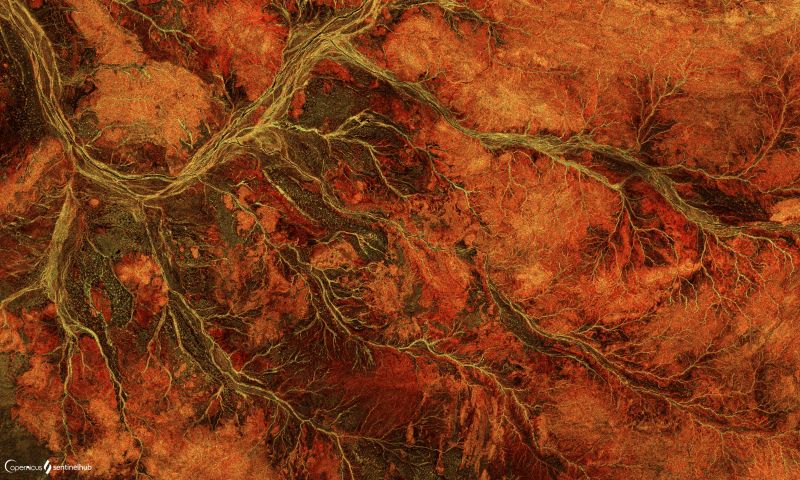
In this short story by Emma Oldham, the Australian sun is its own overbearing, brutal character, beating down especially on poorer and Aboriginal communities. The story follows the narrator's relationship to the heat and her complicated, uneven entanglement with a richer white man, who offers both 'pleasure and climactic relief' in his air-conditioned home. This piece was shortlisted for the 2025 Queen Mary Wasafiri New Writing Prize.
FictionNew Writing Prize
Visiting My Parents by Lee Langvad, trans. by Hazel Evans
In this excerpt from Lee Langvad's novel My Interpreter – translated from Danish by Hazel Evans – an adoptee narrator who lives in Denmark goes for a meal at her biological family's home in South Korea. During the visit, an interpreter must translate between her and her parents. The resulting (mis)understandings, beats, and silences manifest physically in the text's form.
Fiction

'A Sense of Meaning': Q&A with Ellah Wakatama
In this interview with Ellah Wakatama, Chair of the Judges of the 2026 Queen Mary Wasafiri New Writing Prize, she discusses the role of literary prizes, the importance of translated literature, and the qualities that make a creative work stand out for her.
InterviewsNew Writing Prize
Mirarse Negro en España / To See Oneself Black in Spain: Memory, Archive, and Resistance in the Work of Rubén H Bermúdez
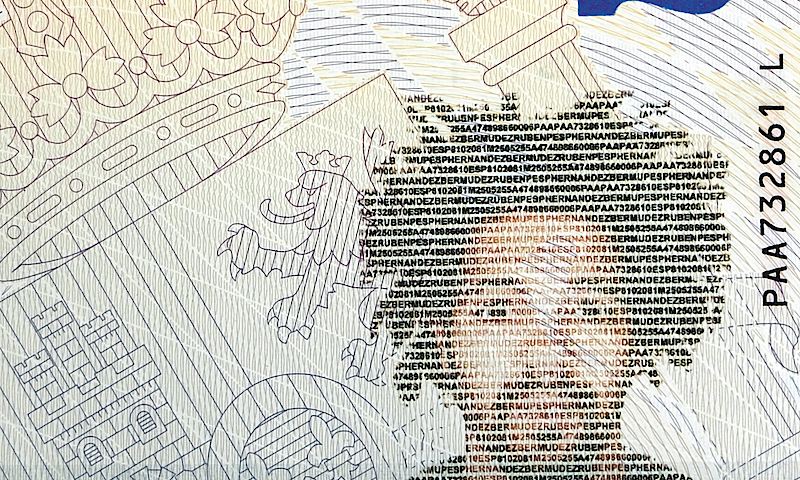
Dantaé Garee Elliott explores the work of visual artist and author Rubén H Bermúdez, specifically his photobook Y tú, ¿por qué eres negro? (And You, Why Are You Black?) and documentary, A todos nos gusta el plátano, which record self-representation of the Black diaspora in Spain — a country where whiteness is positioned as the norm.
This is an extract from Wasafiri 126: Impossible Returns — The Spain Issue.
ExtractNonfictionArt
Extract: Bait by Eugenia Ladra, trans. by Miriam Tobin
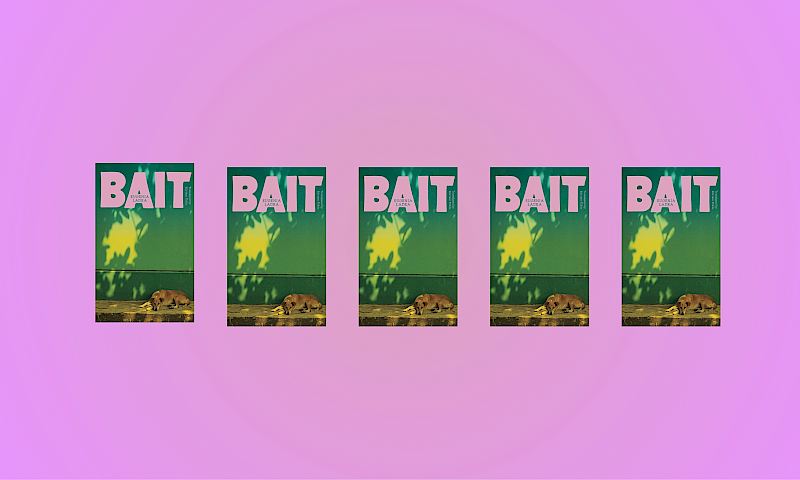
Read an extract from the forthcoming novel Bait by Eugenia Ladra, translated from Spanish by Miriam Tobin. In the small fictional village of Paso Chico, based on the author's own childhood experiences in northwest Uruguay, two protagonists – a thirteen-year-old named Marga and a man named Recio – form a complex relationship that both reveals and unsettles how forms of violence are normalised within small towns across the country, indeed across many other Latin American nations —'every day without fuss, inconvenience, or even complaint.' This extract is accompanied by a special author introduction.
ExtractFiction
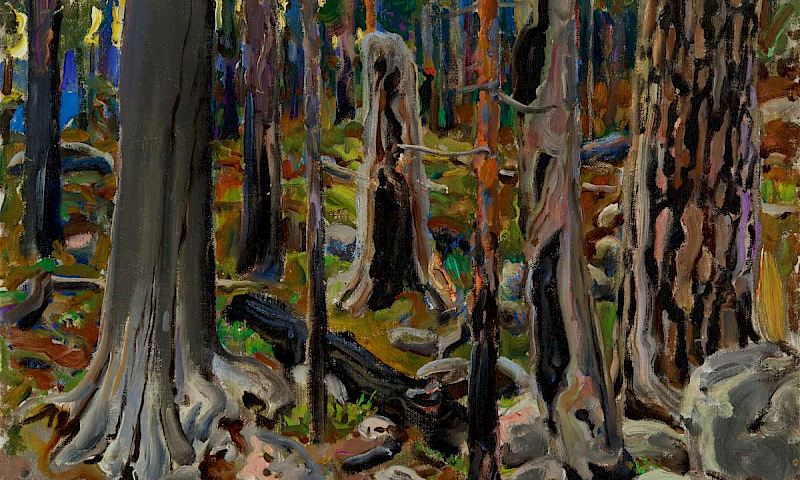
So, I'm Told by Sarah Lasoye
'I’m not saying, hey, imagine, what if it was you. / I’m saying it is you' — this poem by Sarah Lasoye collapses the distances between us, where complicity and silence breed and hinder true connection and solidarity. The poem was shortlisted for the 2025 Queen Mary Wasafiri New Writing Prize.
PoetryNew Writing Prize
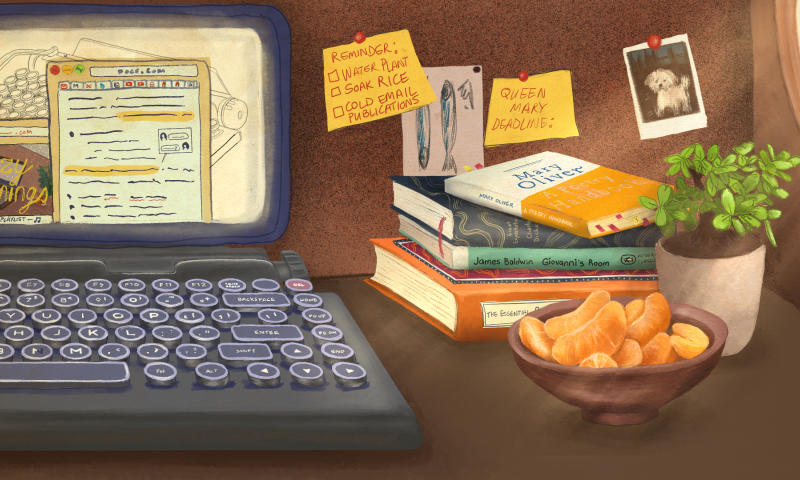
Wasafiri Wonders: Gavin Herbertson
We spoke to Gavin Herbertson, winner of the 2025 Wasafiri Essay Prize, about his winning essay 'Interleafing the Philoctetes Figure: Derek Walcott’s Omeros and The Isle is Full of Noises', making scholarship more accessible outside the academy, Caribbean literary history, his love of Walcott, the best writing advice he's received, and more.
Interviews
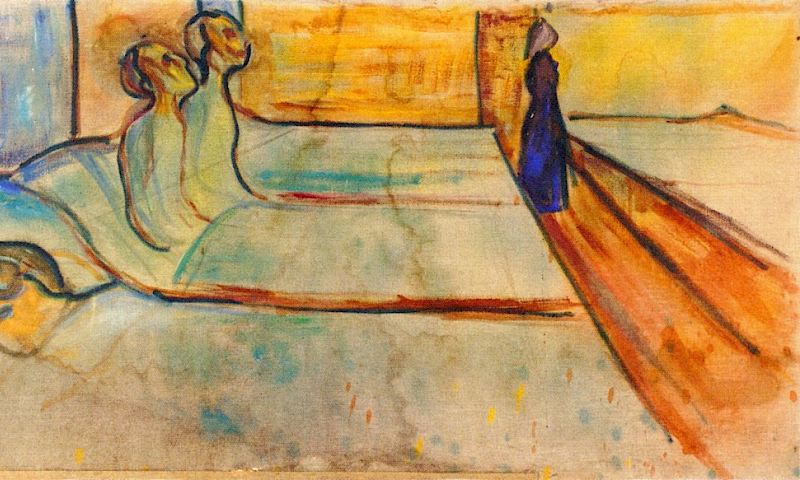
No Less Wonderful: Woman in Pursuit of Freedom by Mistale Taylor
In this vulnerable piece of life writing teeming with a distinct sense of voice, Mistale Taylor writes about her epilepsy and how each episode leaves her finding her way back to herself. Woven through past instances of her seizures are musings on the language, art, treatment, and wording around being an epileptic woman — 'for the past fourteen years, part of me has been trying to assign something meaningful to the condition.'
This piece was shortlisted for the 2025 Queen Mary Wasafiri New Writing Prize.
NonfictionNew Writing Prize