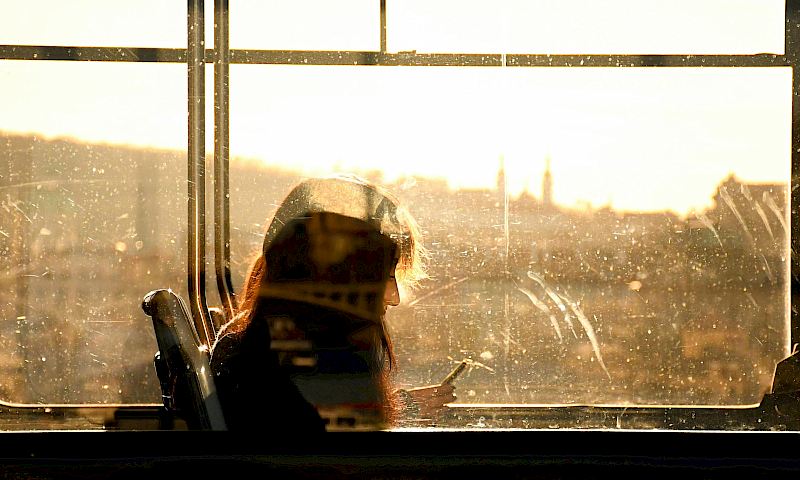
Songs of a Menoflân by Dani Salvadori
This life writing piece by Dani Salvadori is a work of prose-poetry about the 'menoflân' – an older, menopausal flâneuse – moving through a ceaseless, beating city such as London, where 'the grammar of the city is movement'. As she slips through various streets and situations, the menoflân asserts a profound understanding and possession of the place she is in.
This piece was shortlisted for the 2025 Queen Mary Wasafiri New Writing Prize.
NonfictionNew Writing Prize
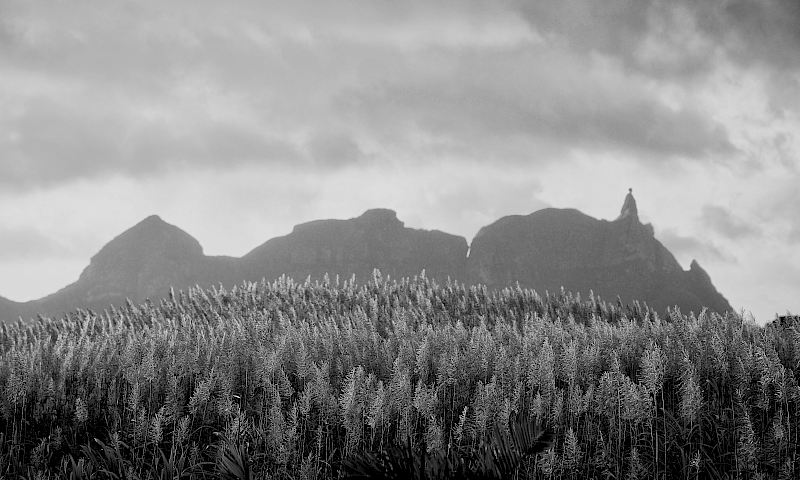
A Reckoning: Gender Violence in Mauritian Life and Literature by Ariel Saramandi
Ariel Saramandi explores and decries the patriarchal abuses of power behind the Mauritian literary scene, centring Nathacha Appanah's groundbreaking book, La nuit au cœur, and her and other Mauritian women writers' engagements with violence against women, confinement, and carcerality on the island. Where femicide and paedophila remain major issues for the country, Saramandi looks toward how effective feminist shifts can continue to take hold in the future.
Nonfiction
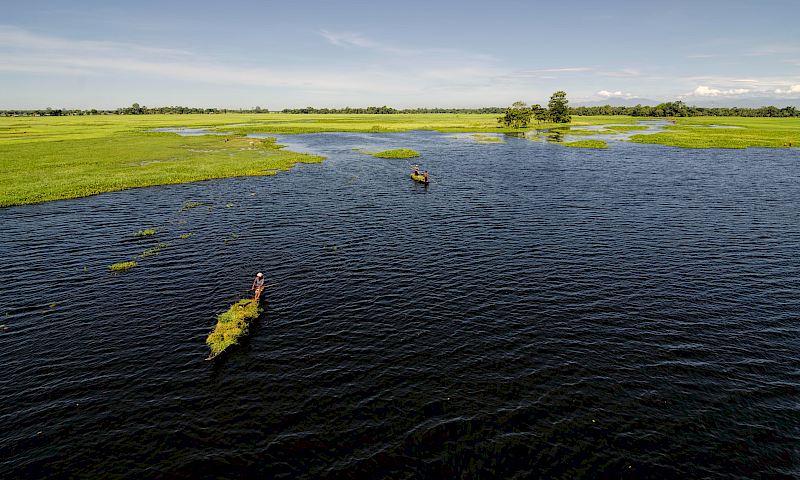
Three Poems by Kazi Neel, trans. by Shalim M Hussain
Read three poems by Kazi Neel, written in unnamed dialects from the chars (temporary unstable river-islands) in Assam, India, translated into English by Shalim M Hussain. Their themes range from religious falsities to a woman's hopes to state control, offering glimpses of everyday life and pressures in the region. The poems are presented both in their original script and in English, with an accompanying translator's note.
Poetry
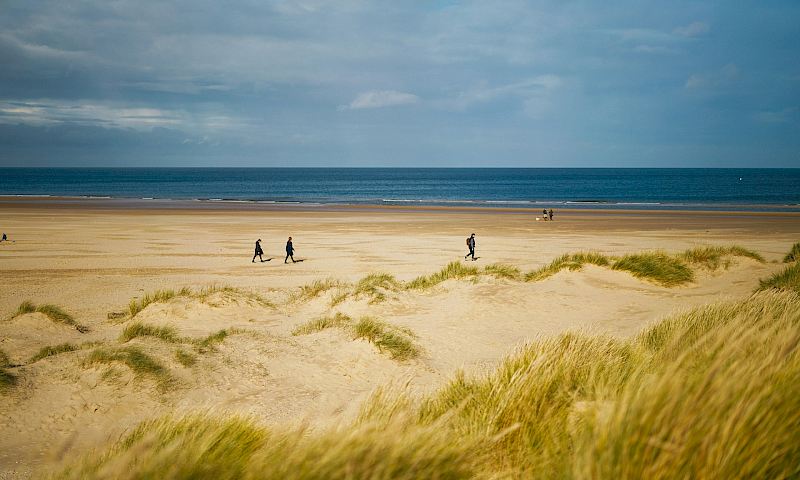
On Naming Storms and People by Jaden Morton
In this moving short story by Jaden Morton, a young person grows up in rural Norfolk with their family, slowly casting off the alienating binds of boyhood towards a different gender and identity, the eroding coastline an ever-present part of their narrative. This piece was shortlisted for the 2025 Queen Mary Wasafiri New Writing Prize.
FictionNew Writing Prize
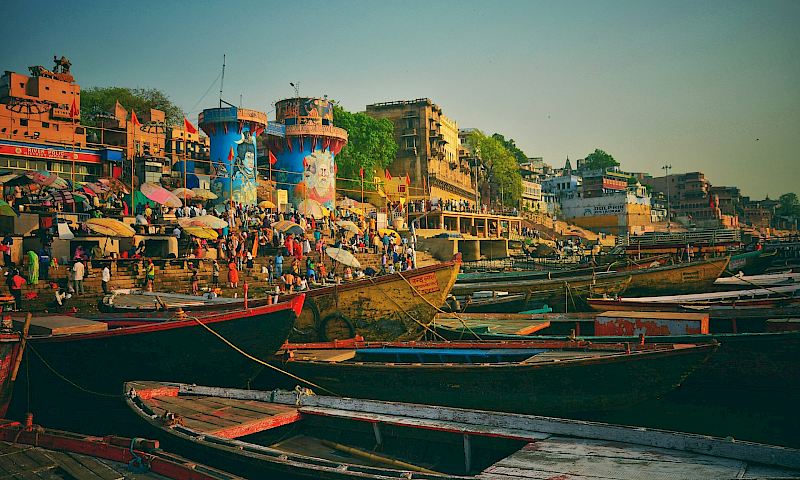
Tectonic Shifts: Writing the Indian Far Right by Anu Khosla
Amid rising fascism and anti-Muslim sentiment in India, this essay by Anu Khosla examines three recent books – Quarterlife by Devika Rege, Saraswati by Gurnaik Johal, and Zara Chowdhary's The Lucky Ones – and their depictions of the seeping, violent ideologies of Hindutva, or Hindu nationalism. This is an extract from our Spring 2026 issue, Wasafiri 125.
NonfictionExtract
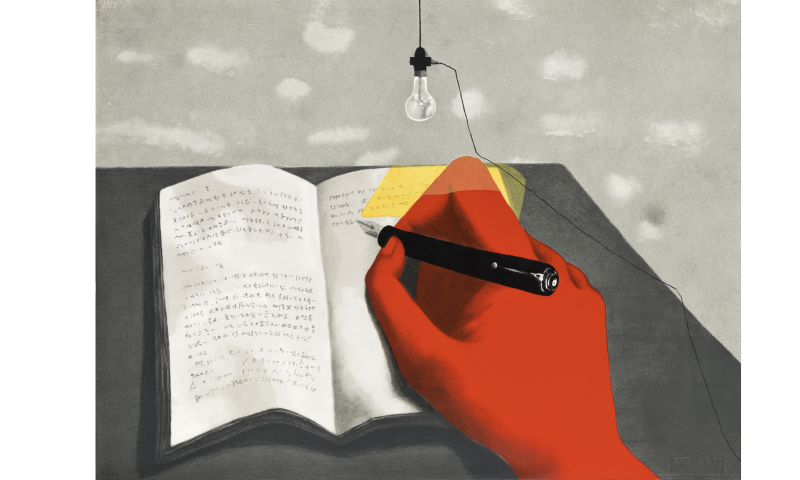
My Six Rules for Telling Global Majority Stories by Santanu Bhattacharya
Indian novelist Santanu Bhattacharya is the Fiction judge for the 2026 Queen Mary Wasafiri New Writing Prize. In this essay, he shares his guidance on staying true to the global majority story you want to tell, based off his own experiences and reflections as a published author in an industry that continues to greedily capitalise on 'diversity'.
NonfictionNew Writing Prize
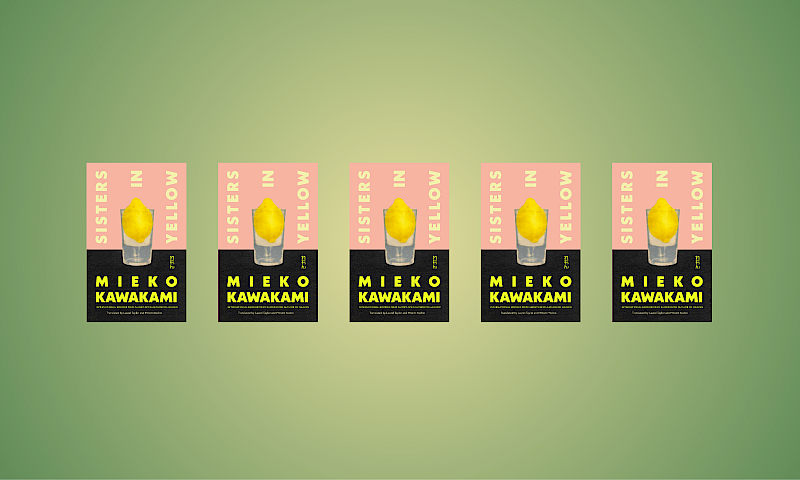
Extract: Sisters in Yellow by Mieko Kawakami, trans. by Laurel Taylor and Hitomi Yoshio
Read an extract from Mieko Kawakami's latest book Sisters in Yellow – translated from Japanese by Laurel Taylor and Hitomi Yoshio – a noir novel set in 1990s Tokyo. The story follows a young teenager, Hana, as she leaves a rough home, opens a bar with three other women, and falls into the city's criminal underbelly.
ExtractFiction
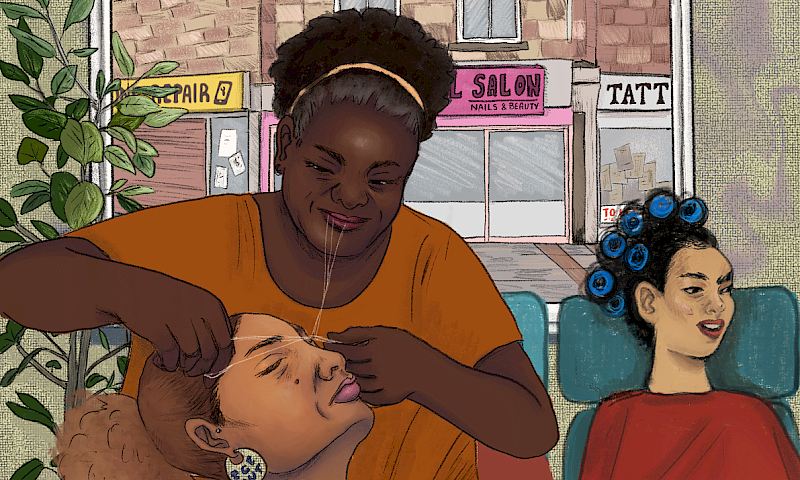
Two Poems by Fatimah Asghar
This World Poetry Day, we are sharing poems by Fatimah Asghar that speak to multiple communities, geographies, and crises in our world — where solidarities flower in beauty salons, ICE trucks cluster, grandmothers pray, empires collapse, and fists pulse. The poems thread rhythmically through equally horrifying and tender, grandiose and soft everyday images, nurturing resonances between our varied personal, communal, and political experiences. With an illustration by Simone Khanyi Hadebe.
Poetry
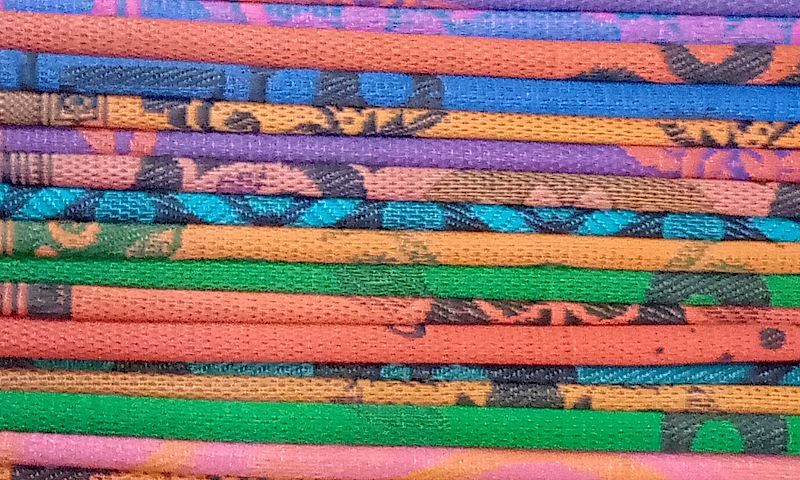
Three Poems by Zaynab Iliyasu Bobi
Nigerian Hausa writer and artist Zaynab Iliyasu Bobi offers three formally inventive poems that yearn for a deeper sense of spirituality and security through ancestral connection, maternal figures, and cultural traditions and crafts.
Poetry
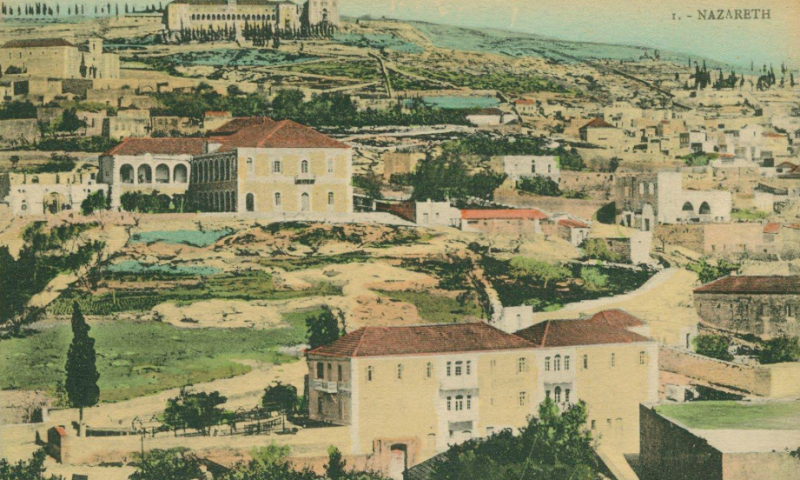
I Exist in Disappearance by Malak N Hijazi
Palestinian writer Malak N Hijazi's life writing piece reflects on growing up in Gaza — the realities of white phosphorus raining down on your school, watching the weight fall rapidly off your body, losing a childhood friend, noting the olive-coloured eyes of a soldier. Existing here means existing 'in disappearance', amid the systematic extermination of your people.
This piece was Highly Commended for the 2025 Queen Mary Wasafiri New Writing Prize.
NonfictionNew Writing Prize
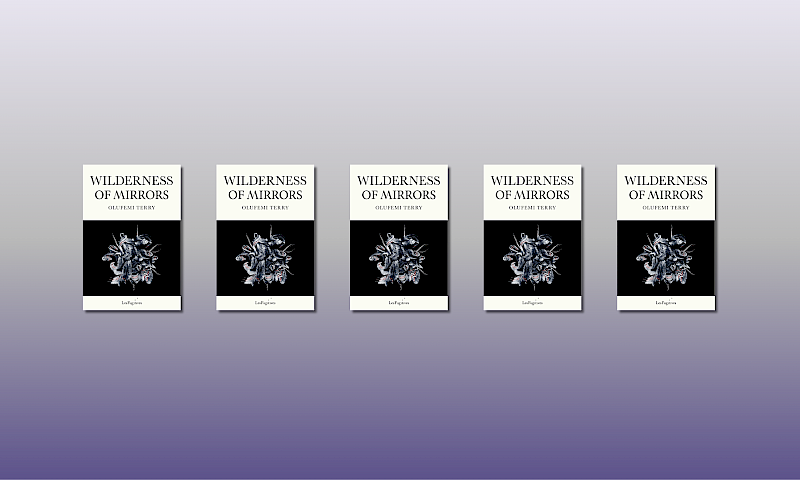
Extract: Wilderness of Mirrors by Olufemi Terry
Read an exclusive extract from Wilderness of Mirrors, the forthcoming debut by Caine Prize-winning author Olufemi Terry. The novel follows Emil, a young, wealthy Creole who pauses his medical studies to move to the fictional Stadmutter, South Africa. There, he experiences the whirlwinds of young adulthood within a post-apartheid, multiracial city with shifting class and cultural hierarchies.
FictionExtract
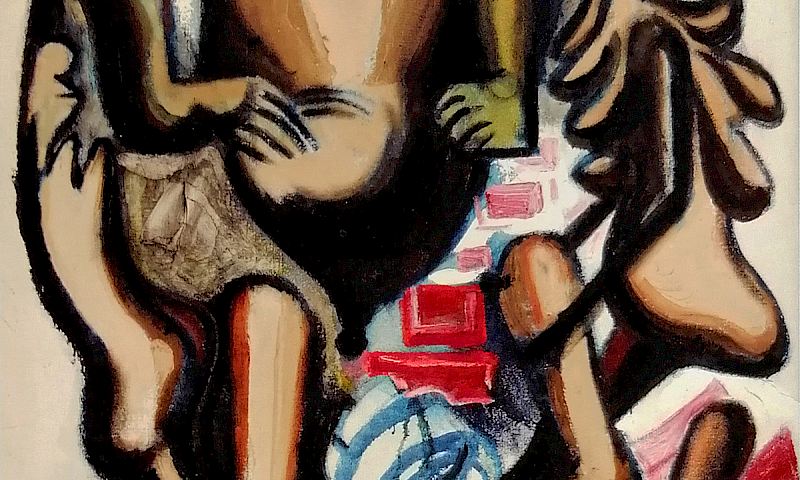
Hidden in the Paradigm: The Poetry of Jay Wright
Read a conversation between writers Jay Bernard, Dante Micheaux, and Oluwaseun Olayiwola on Transfigurations: Collected Poems, a landmark volume containing all eight major poetry works by the legendary Black American poet, playwright, and polymath, Jay Wright. Together, they trace critical, audience, and reader perceptions of Wright's work over time, as well as why Wright has been historically overlooked in the global literary sphere in comparison to contemporaries like Wole Soyinka. The conversation is interspersed with two of Wright's poems from the volume, as well as several other excerpts and fragments.
PoetryInterviews
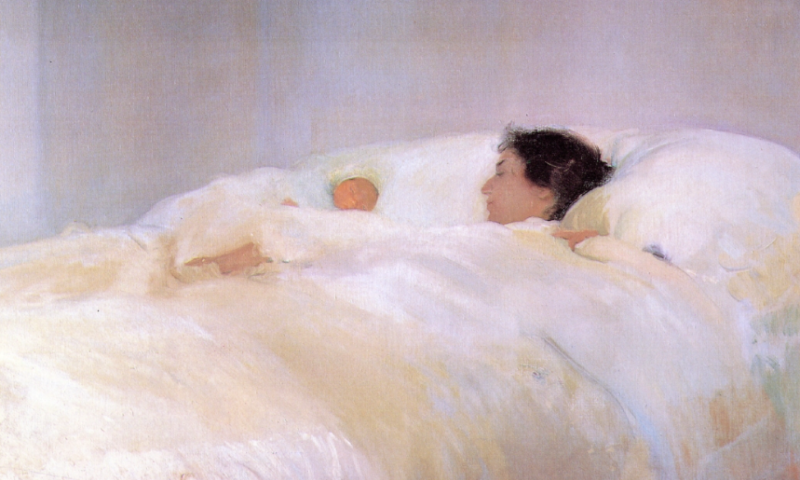
Ánne by Kamelia Panayotova, trans. by Dilyana Kodjamanova
Bulgarian writer Kamelia Panayotova's vivid, sensuous novel excerpt 'Ánne' – translated by Dilyana Kodjamanova – steeps in sunlit village summers, girlhood, and the complicated yearning for a mother figure. This piece was shortlisted for the 2025 Queen Mary Wasafiri New Writing Prize.
FictionNew Writing Prize
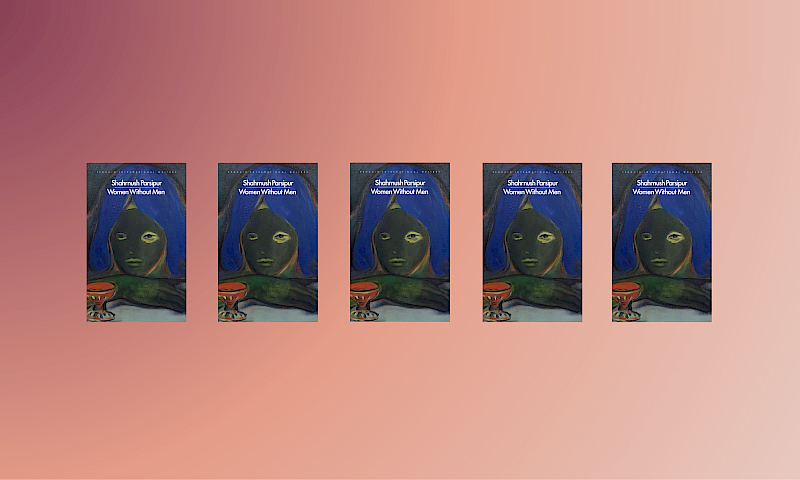
Extract: Women Without Men by Shahrnush Parsipur, trans. by Faridoun Farrokh
Longlisted for the 2026 International Booker Prize, Women Without Men by Shahrnush Parsipur – translated from Persian by Faridoun Farrokh – is a magical realist novel exploring the lives of five Iranian women across different social classes as they try to navigate and shirk oppressive patriarchal constraints. The book was banned in Iran shortly after its initial release, then later adapted into a 2009 film directed by Shirin Neshat. Read the novel's opening here.
ExtractFiction

Loyalty to Language: A Conversation with Madeleine Thien
The prolific fiction writer Madeleine Thien speaks to Jeremy Tiang about her latest novel, The Book of Records, where a young girl takes refuge in a structure called the Sea — resembling the Kowloon Walled City if it were 'adrift in time and space'. There, her life melds with three characters analogous to Du Fu, Baruch Spinoza, and Hannah Arendt. The interview further explores Thien's earlier books, her relationships to her characters and stories, grief, and the impact of genocide – in both Cambodia and Palestine – on her thinking and practice. This is an extract from our Spring 2026 issue, Wasafiri 125.
InterviewsExtract
Meditations — Esther King on Leo Boix's Southernmost: Sonnets
Esther King finds kinship in Argentine British poet Leo Boix's Southernmost: Sonnets about the experiences of migration and living between multiple cultures and languages. She reflects on the 'push and pull of belonging to different places' and how that has shaped her understandings of home, geography, partnership, family, and grief.
MeditationsNonfiction
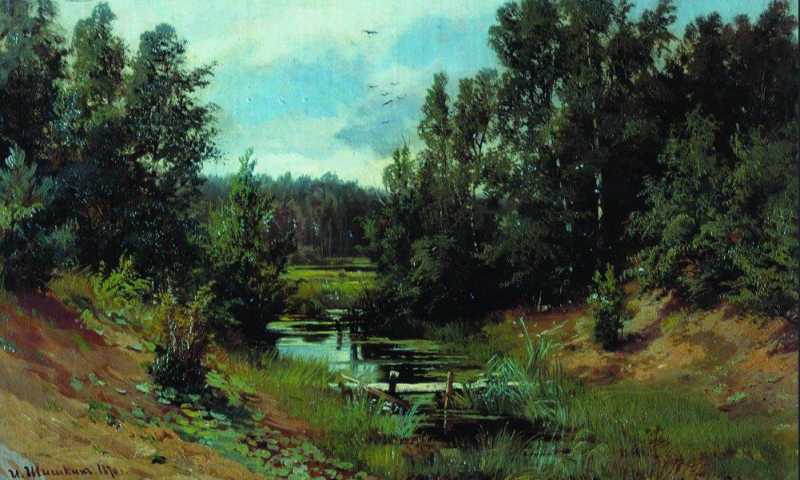
Mudlarking for the Occasionally Housebound by Naomi Madlock
Naomi Madlock's poem brings a body with disabilities to a riverbank, where nature's streams of unexpected ruins and treasures – 'a flap of algae', 'domestic waste', 'sunlight/seeping through a porcelain shard' – assemble a sense of wholeness and peace. This piece was shortlisted for the 2025 Queen Mary Wasafiri New Writing Prize.
PoetryNew Writing Prize
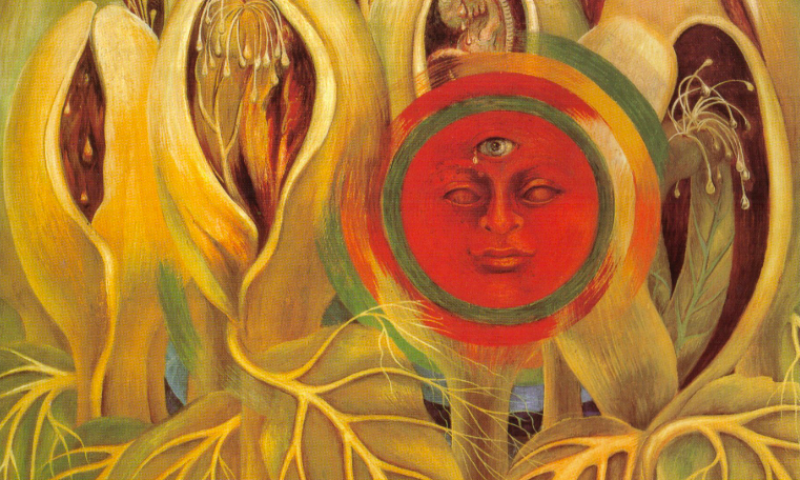
Two Poems by Yessica Klein
Yessica Klein's poems, 'I'd Like You To Meet The Brazilian Sun' and '1989', explore different aspects of Brazilianness with humour, nostalgia, pain, and frustration at once — where the 'Sun always has a joint', but fair governance can feel unreachable.
Poetry
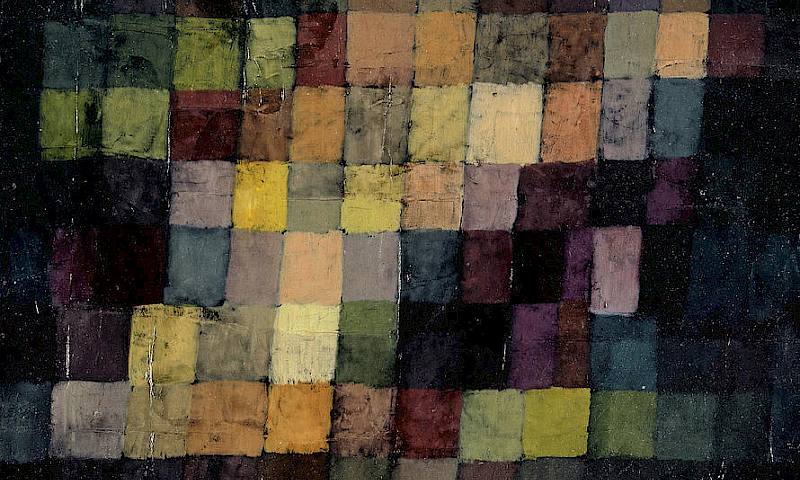
Growing Mould During the Rise of Fascism by Raluca David
In Raluca David's life writing piece, colonies of mould settle into her family's various apartments – from the UK to Germany – mirroring a growingly hostile, anti-immigrant atmosphere.
This piece was shortlisted for the 2025 Queen Mary Wasafiri New Writing Prize.
NonfictionNew Writing Prize
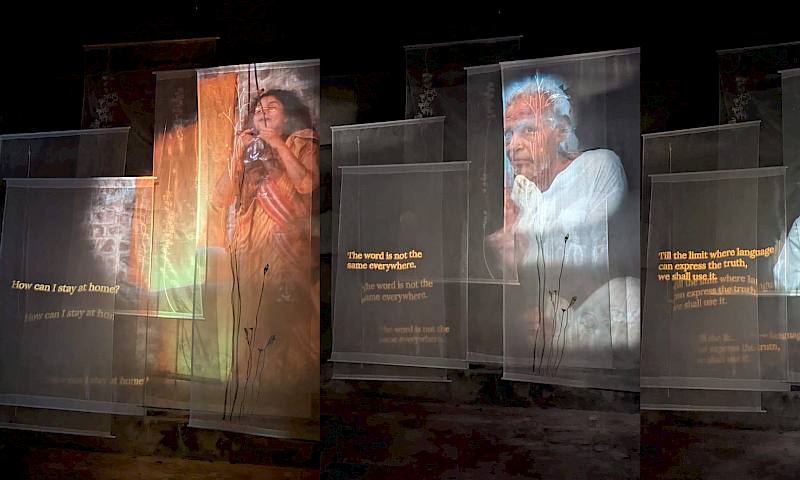
To Get Just a Glimpse of You, I Have Been Everywhere by Kareena Gianani
Moving between cities, memories, basements, and screens, Kareena Gianani's life writing piece explores what long-distance love can look like in a globalised world — where migration becomes a constant, smartphones shape relationships, and rooms gather meaning the more that they change. Through her own personal narrative, Kareena imagines alternative templates for the ways in which women are allowed to move, work, love, marry, and be.
Nonfiction
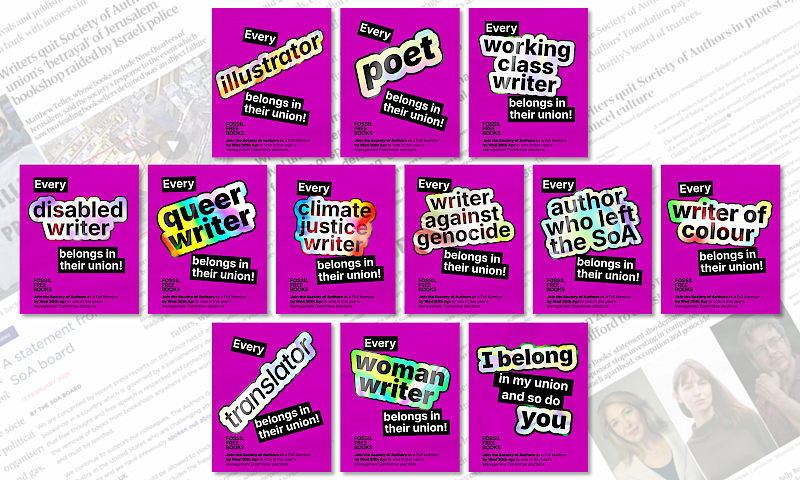
A Union of One’s Own: Fossil Free Books and the Society of Authors
Can a group of grassroots campaigners collaborate with a 140-year-old trade union that is resistant to change? In this essay, Martin Reed and Noreen Masud identify the tensions between grassroots activism and established union structures, discussing the challenges to labour activism in the creative industries. They specifically examine the Society of Authors, one of the UK’s largest trade unions for creators, from their perspectives as members of the bookworkers collective, Fossil Free Books.
NonfictionAdvocacy
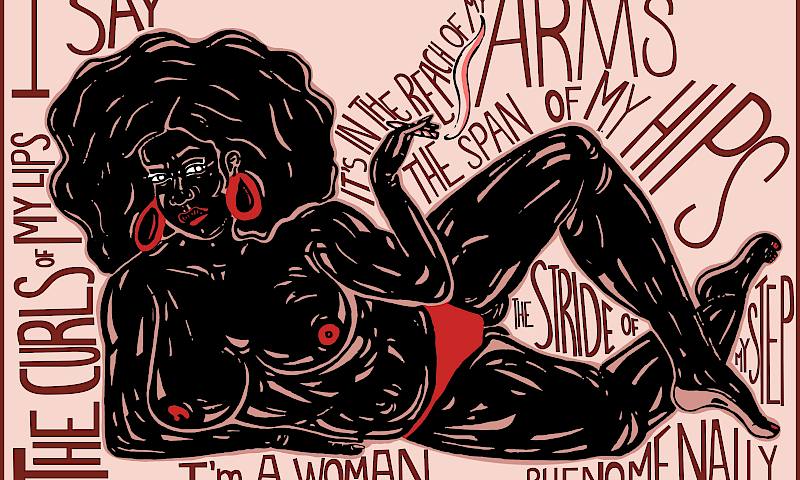
Disobedient Bodies: An Interview with Liliana A Romero
Liliana A Romero, a visual artist and DJ from Colombia, speaks to lecturer Amber Lascelles in this extract from Wasafiri 124 on centring Black women in her art, navigating the art world as a Black Latinx woman, the role of activism in her practice, and more. Liliana is also the cover artist for our landmark British Latinx issue.
ExtractInterviews
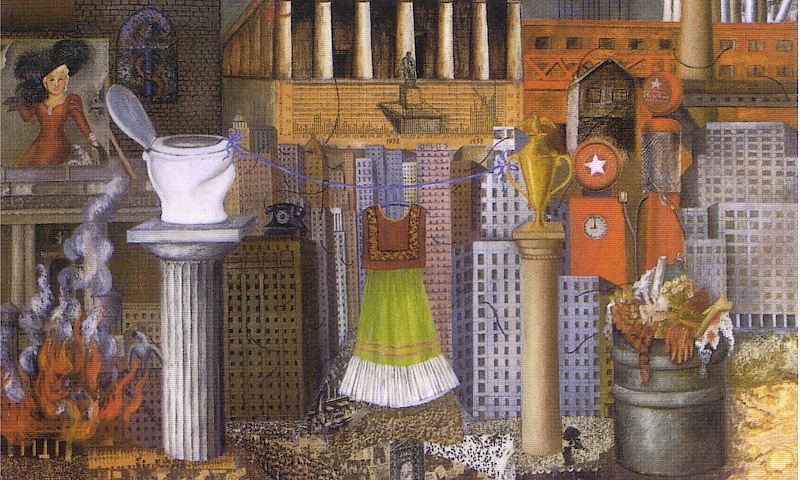
Unfinished (Inacabada) by Ariel Florencia Richards, trans. by Beth Hickling-Moore
In this moving fiction by Ariel Florencia Richards, a young woman reflects on the 'cumulative' silence surrounding her transition, and its cold, creeping impact on her relationship with her mother. While contained in the liminal space of an aeroplane above the Andes, the protagonist's mind drifts from the alienation of her Christian childhood to the present. Translated from Chilean Spanish by Beth Hickling-Moore.
Fiction
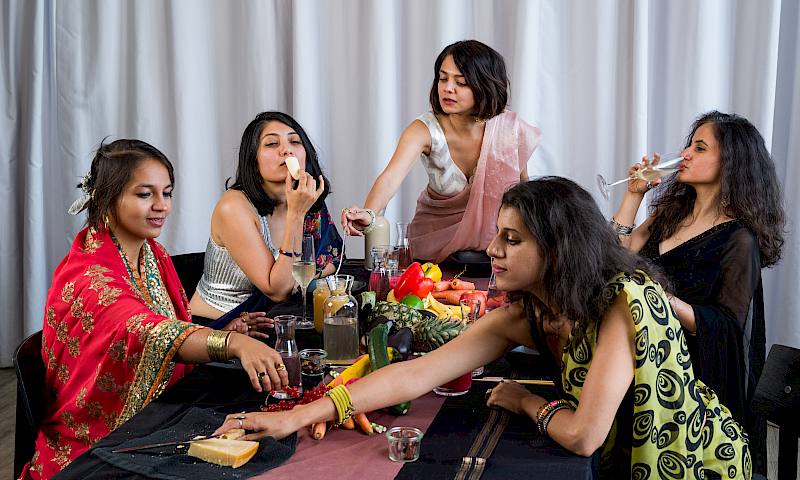
Meditations: Gouri Sharma on Aria Aber’s Good Girl
In the final entry in our Writing the Self, Writing Berlin series (conceived by Divya Ghelani), Berlin-based journalist Gouri Sharma reflects on Aria Aber's Good Girl (Bloomsbury, 2025), a cathartic bildungsroman of a young Afghan woman living in Berlin. As a reporter and a South Asian immigrant herself – 'a racialised woman caught between worlds' – Gouri explores the book's impact on her own understanding of grief, sexuality, pain, and politics.
MeditationsNonfiction