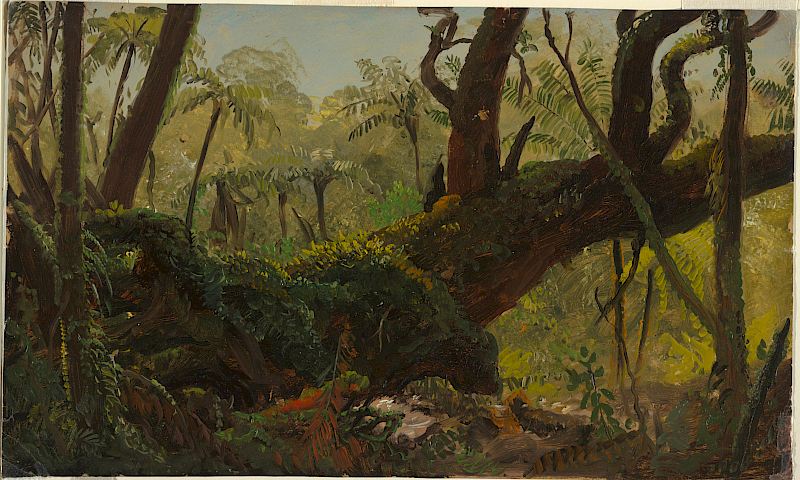
The Miseducation of a Nature Poet: Reclaiming Nature Poetry from the Margins
Our Writer in Residence Cara Thompson reflects on her position as a 'nature poet' in her journey to becoming Nottingham's inaugural Nature Poet Laureate. Pushing back against the bucolic, idealised, and privileged forms of nature writing she encountered in her schooling in the UK, she reclaims and redefines the genre on more inclusive terms.
NonfictionWriter in Residence
Four Poems by Ni Made Purnama Sari, trans. by Norman Erikson Pasaribu
Norman Erikson Pasaribu translates four poems by Ni Made Purnama Sari, whom they call 'one of the most important Balinese writers working today'. These poems were published in Purnama's 2015 collection, Kawitan, which explores how Balinese people relate to both their ancestral pasts and their futures in a home subject to intense environmental exploitation and touristic, (neo)colonial exoticisation. 'To translate these poems is to understand Purnama’s experiences,' Pasaribu says, 'and then respond to the giant that is Western ignorance of lives in the Global South.' All four poems are presented here in both the original Indonesian and in English.
Poetry

Extract: Fieldwork as a Sex Object by Meena Kandasamy
Read an extract from Meena Kandasamy's new novel, Fieldwork as a Sex Object, where protagonist Amy/Amrita's world begins to reel when a deepfake porno of hers goes viral. As the online world nastily careens into the offline, she reckons with a culture of violent algorithms, digital warfare, rising Hindu supremacy, quick cancellations, and barbed patriarchal structures.
FictionExtract
In Defence of Untranslatability by Deepa Bhasthi
In this essay, Deepa Bhasthi defends untranslatability – the intentional choice to not-translate text – as a necessary practice. As examples, she draws on Kannada words that feel too complex or hyperlocal to be translated into a single English word, as well as significant books she read during her time as our inaugural International Translator in Residence. Written by Jamil Jan Kochai, Waguih Ghali, and SJ Kim, these texts deliberately do not translate/transliterate certain words into English, and Bhasthi unpacks the aesthetic and political impacts of these choices.
NonfictionTranslator in ResidenceWriter in Residence
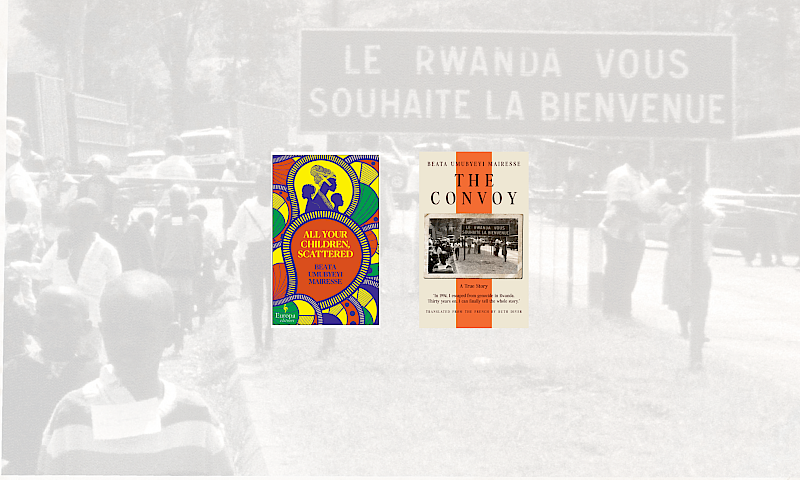
Finding Comfort in the Loneliness of Others: Beata Umubyeyi Mairesse and Reading Across Cultures
Beata Umubyeyi Mairesse is a prolific Rwandan writer critically acclaimed in the French-speaking world; her work significantly contributes to the literature on witnessing genocide in Rwanda and beyond. Here, she speaks with Zoë Norridge – Wasafiri Associate Editor and academic at King's College London – about her early reading influences in Rwanda and France, the role of writing today at a time of heightened conflict, and how she supports survivors of the 1994 genocide against the Tutsi to share and publish their stories. This conversation includes additional material from Beata and Zoë's original interview published in print in Wasafiri 125.
InterviewsNonfiction
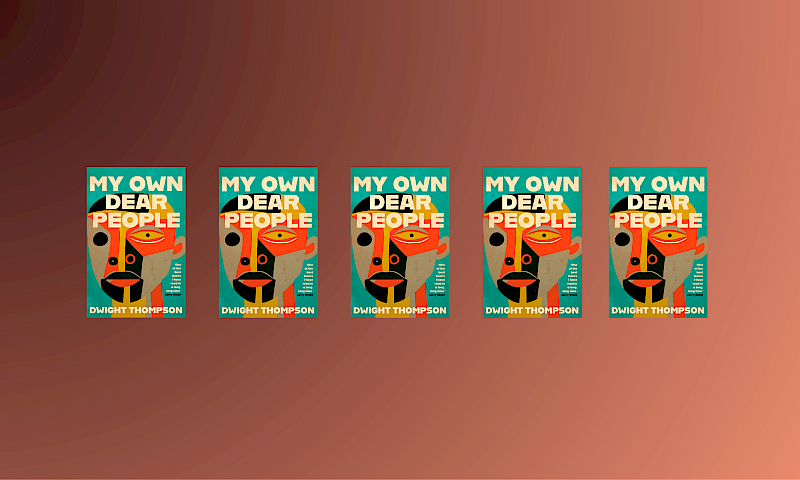
Extract: My Own Dear People by Dwight Thompson
Read an extract from My Own Dear People, the forthcoming novel by Jamaican writer Dwight Thompson, accompanied by a special introduction from the author. The story follows a young man named Nyjah Messado upon his return to Montego Bay — a city that is a vitrine for foreign tourists, yet pockmarked with danger for its local residents. Nyjah is haunted by the memory of witnessing an immense act of cruelty at the elite boys' school he once attended. In MoBay, he meets a young woman named Andrene and is forced to reckon with his own masculinity and actions in a society frequently hostile to women and queer communities.
FictionExtract
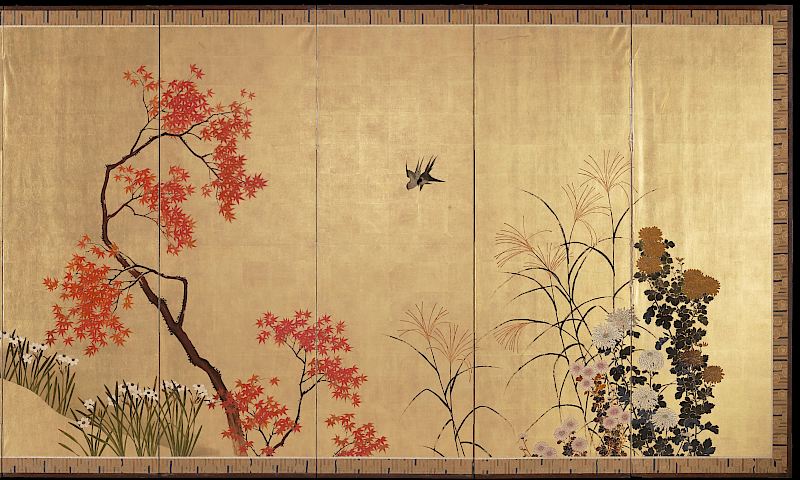
Three Poems by Tishani Doshi
Read three new poems by Tishani Doshi from her forthcoming collection, Egrets, While War. The first, 'Monsieur Tout-Le-Monde', is dedicated to Gisèle Pelicot, a French woman who became a major feminist figure after waiving her right to anonymity as a victim in a multiple rape case; the poem is meditative, pausing for the 'kerfuffle' of a bird, yet piercing in its portrayal of the commonality of sexual violence. The remaining two poems are sonnets, similarly contemplating the movements of birds and other animals, while studded with reflections on the nature of living itself.
Poetry
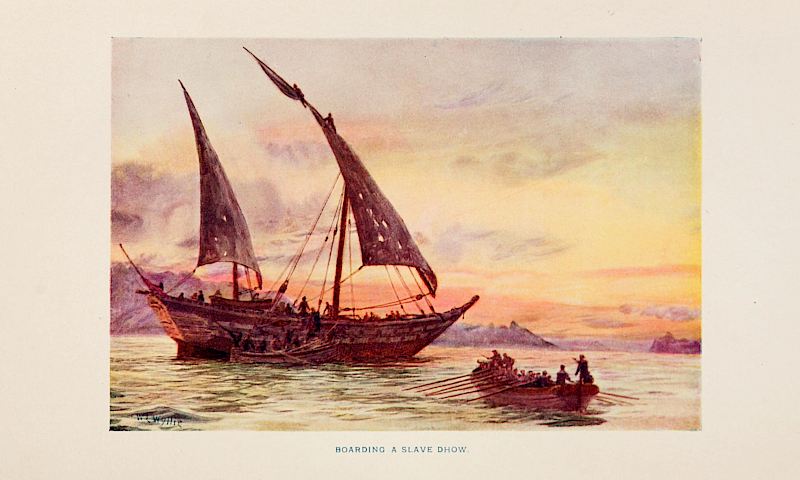
Blood and Bone by Rajiv Ramkhalawan
In this piece of short historical fiction, Rajiv Ramkhalawan narrates the journey of an unnamed Indian man arriving in Trinidad, where he is forced into becoming an indentured labourer on a sugarcane plantation, subject to vile abuse and violence from 'de white man'. Through the course of the story, we glimpse a portrait of how the approximately 150,000 Indian workers who arrived on the island from 1845-1917 led their everyday lives.
This piece was shortlisted for the 2025 Queen Mary Wasafiri New Writing Prize.
FictionNew Writing Prize
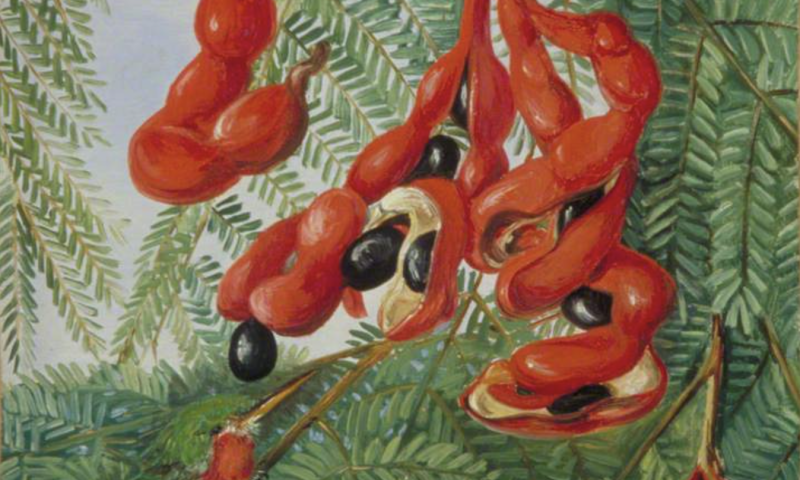
Translating Caribbean Literature: A Homegoing by Anita Barton-Williams
In this meticulously argued essay, Anita Barton-Williams dissects the reductive, extractive practices prevalent in the market for Caribbean literature, particularly what is lost or harmed when works are translated from Creole into Western colonial languages like French and English. She further explores how a translator may become a better 'bridge', espousing the possibilities for Creole-Creole translations as a way of strengthening Caribbean relationality and solidarity overall.
Nonfiction
You, at the Check-In Counter by Reem Abbas
Reem Abbas's prose-poem is bookended by two encounters at the airport immigration counter. Throughout this text, experiences, language, and silence of a 'survivor of nationality' are played with to mirror how an immigrant must adapt their voice to their environment. This piece was shortlisted for the 2025 Queen Mary Wasafiri New Writing Prize.
PoetryNew Writing Prize
Just a Body Part by Farah Ahamed
This short story by Farah Ahamed is set in Uganda in 2005, against the backdrop of a national debate on Eve Ensler's The Vagina Monologues — a 'foreign', 'feminist' text poised to enter the country, yet already infiltrating its people's politics. The story is written through the point of view of an unnamed Ugandan woman who, influenced by the roiling discourse around the play, reckons with the abusive reality of her relationship and her rights as an African woman.
FictionExtract
The 2026 PEN Lecture: Peace by Max Porter
'What would a literary opposition to violence even sound like?' The 2026 PEN Lecture was delivered by the renowned English writer Max Porter on 29 April 2026. In a speech almost entirely framed as a series of questions, he urges us – particularly writers and literary practitioners – to genuinely reckon with our complacencies at a time of ongoing war and genocides stoked by heightened militarism, fascism, patriarchy, and technocapitalism. What does peace even mean in a world like this? What can it possibly look like, how can it come into being? 'Are we only allowed to dream of profit, victory, security, defence?'
Nonfiction
Designs for the Memory Palace: The Research Behind Life Writing
Jen Calleja is the Life Writing judge for the 2026 Queen Mary Wasafiri New Writing Prize. In this essay, she shares the inspiring roadmap that led to the creation of her memoir, Fair: The Life-Art of Translation, and the importance of embarking on a wide-ranging, deep, and unique research journey for creating your own work of life writing.
NonfictionNew Writing Prize
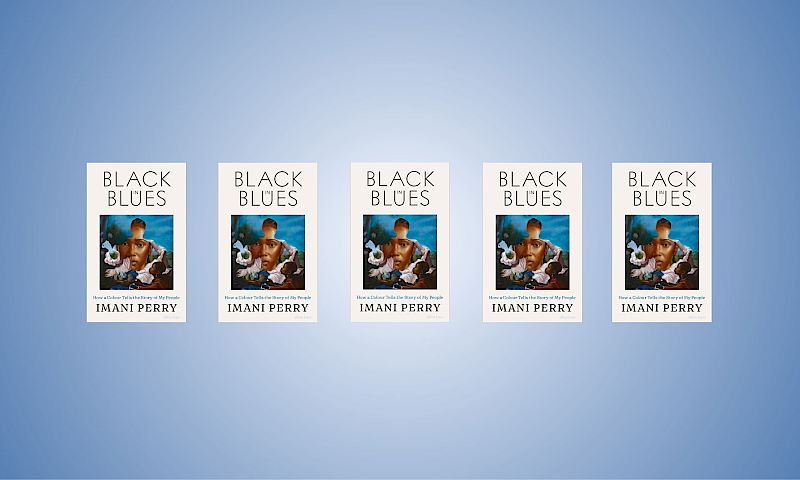
Extract — Black in Blues: How a Colour Tells the Story of My People by Imani Perry
Read an extract from Imani Perry's Black in Blues: How a Colour Tells the Story of My People (Allen Lane, 2026). Drawing from her own experiences, global history, and encounters with music, literature, and art, Perry traces how Blackness and the colour blue have been entwined for centuries — from the West African dyed indigo cloths that were once traded for human life, to American blues music, to Toni Morrison's writing, and more.
NonfictionExtract
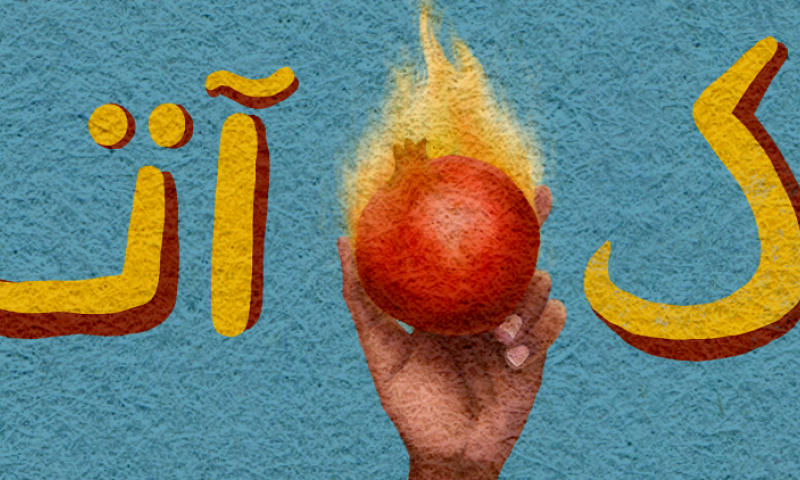
Two Poems by Hasti
Read two new poems by London-based poet Hasti, weaving together influences from Hafez to alternative hip-hop, Black poetry, and Iranian cinema. Titled 'Future-La' and 'Yek Atash', these vulnerable poems see the speaker absorbing unfathomable turbulent change in a world where 'we've hewn a home ... in empire's gut'. With an illustration by Simone Khanyi Hadebe.
Poetry

Songs of a Menoflân by Dani Salvadori
This life writing piece by Dani Salvadori is a work of prose-poetry about the 'menoflân' – an older, menopausal flâneuse – moving through a ceaseless, beating city such as London, where 'the grammar of the city is movement'. As she slips through various streets and situations, the menoflân asserts a profound understanding and possession of the place she is in.
This piece was shortlisted for the 2025 Queen Mary Wasafiri New Writing Prize.
NonfictionNew Writing Prize
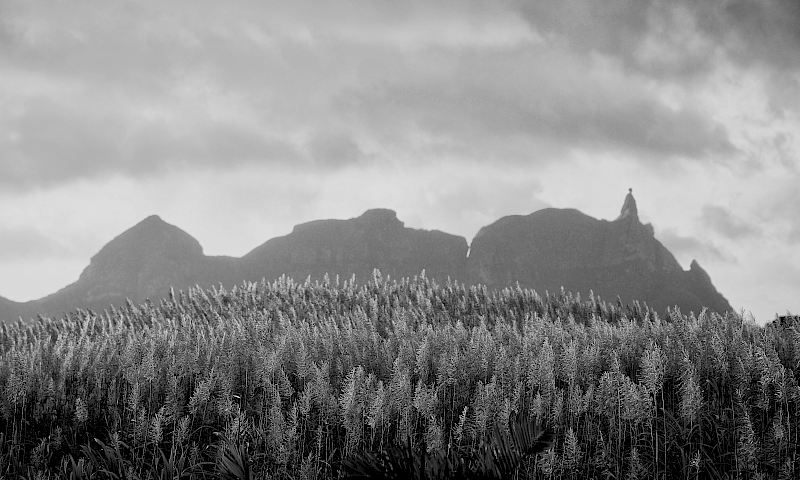
A Reckoning: Gender Violence in Mauritian Life and Literature by Ariel Saramandi
Ariel Saramandi explores and decries the patriarchal abuses of power behind the Mauritian literary scene, centring Nathacha Appanah's groundbreaking book, La nuit au cœur, and her and other Mauritian women writers' engagements with violence against women, confinement, and carcerality on the island. Where femicide and paedophila remain major issues for the country, Saramandi looks toward how effective feminist shifts can continue to take hold in the future.
Nonfiction
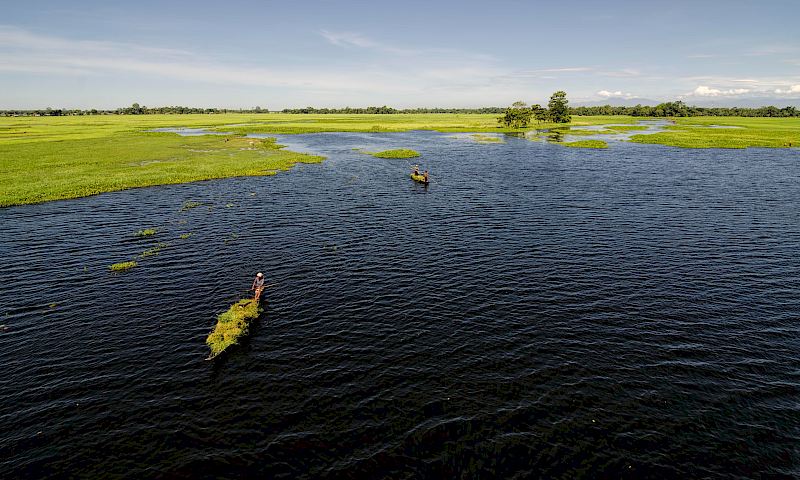
Three Poems by Kazi Neel, trans. by Shalim M Hussain
Read three poems by Kazi Neel, written in unnamed dialects from the chars (temporary unstable river-islands) in Assam, India, translated into English by Shalim M Hussain. Their themes range from religious falsities to a woman's hopes to state control, offering glimpses of everyday life and pressures in the region. The poems are presented both in their original script and in English, with an accompanying translator's note.
Poetry
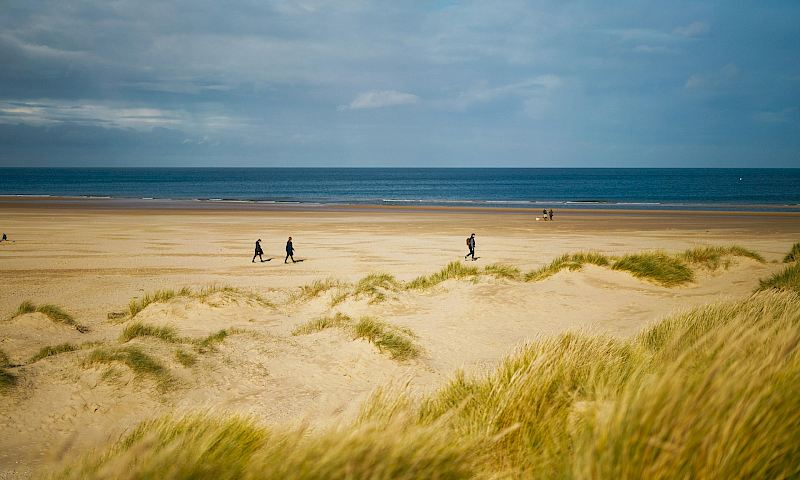
On Naming Storms and People by Jaden Morton
In this moving short story by Jaden Morton, a young person grows up in rural Norfolk with their family, slowly casting off the alienating binds of boyhood towards a different gender and identity, the eroding coastline an ever-present part of their narrative. This piece was shortlisted for the 2025 Queen Mary Wasafiri New Writing Prize.
FictionNew Writing Prize
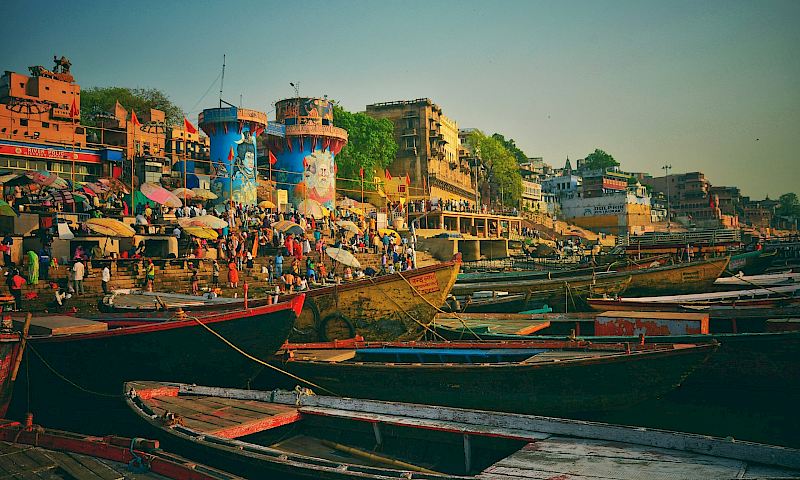
Tectonic Shifts: Writing the Indian Far Right by Anu Khosla
Amid rising fascism and anti-Muslim sentiment in India, this essay by Anu Khosla examines three recent books – Quarterlife by Devika Rege, Saraswati by Gurnaik Johal, and Zara Chowdhary's The Lucky Ones – and their depictions of the seeping, violent ideologies of Hindutva, or Hindu nationalism. This is an extract from our Spring 2026 issue, Wasafiri 125.
NonfictionExtract
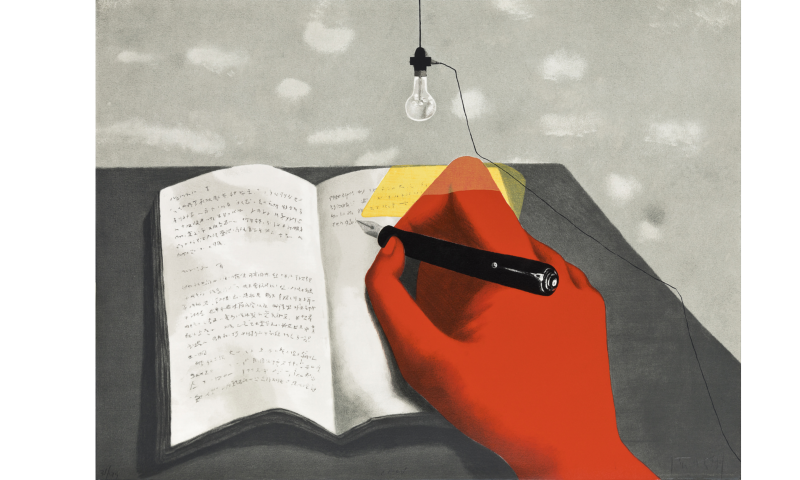
My Six Rules for Telling Global Majority Stories by Santanu Bhattacharya
Indian novelist Santanu Bhattacharya is the Fiction judge for the 2026 Queen Mary Wasafiri New Writing Prize. In this essay, he shares his guidance on staying true to the global majority story you want to tell, based off his own experiences and reflections as a published author in an industry that continues to greedily capitalise on 'diversity'.
NonfictionNew Writing Prize
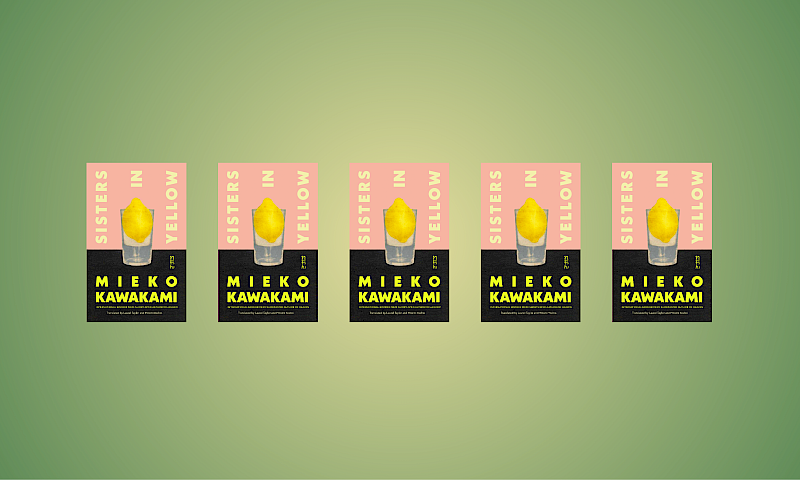
Extract: Sisters in Yellow by Mieko Kawakami, trans. by Laurel Taylor and Hitomi Yoshio
Read an extract from Mieko Kawakami's latest book Sisters in Yellow – translated from Japanese by Laurel Taylor and Hitomi Yoshio – a noir novel set in 1990s Tokyo. The story follows a young teenager, Hana, as she leaves a rough home, opens a bar with three other women, and falls into the city's criminal underbelly.
ExtractFiction
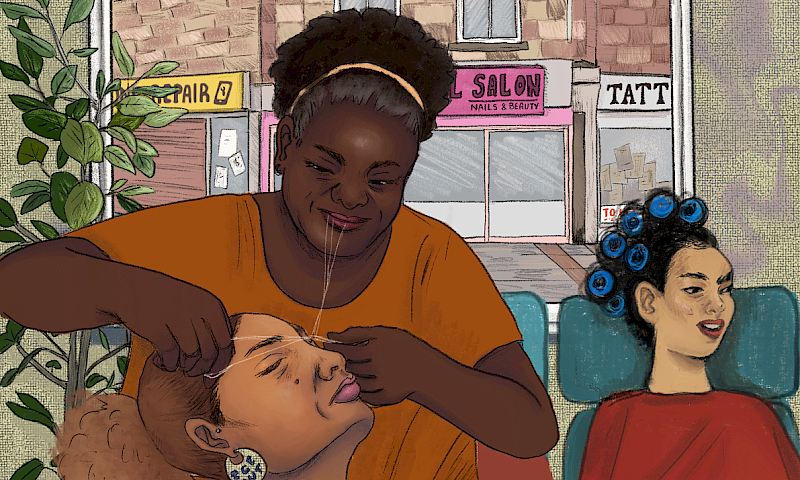
Two Poems by Fatimah Asghar
This World Poetry Day, we are sharing poems by Fatimah Asghar that speak to multiple communities, geographies, and crises in our world — where solidarities flower in beauty salons, ICE trucks cluster, grandmothers pray, empires collapse, and fists pulse. The poems thread rhythmically through equally horrifying and tender, grandiose and soft everyday images, nurturing resonances between our varied personal, communal, and political experiences. With an illustration by Simone Khanyi Hadebe.
Poetry
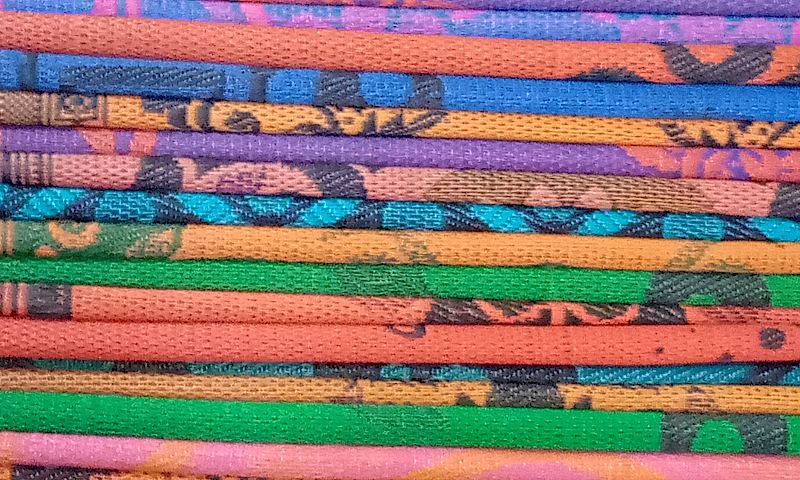
Three Poems by Zaynab Iliyasu Bobi
Nigerian Hausa writer and artist Zaynab Iliyasu Bobi offers three formally inventive poems that yearn for a deeper sense of spirituality and security through ancestral connection, maternal figures, and cultural traditions and crafts.
Poetry